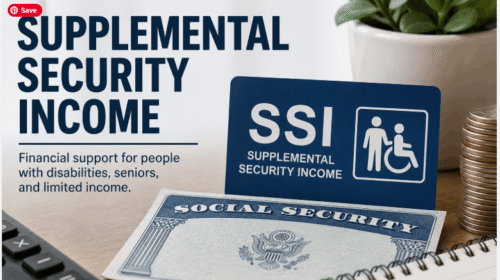
Supplemental Security Income, or SSI, is a government program. It helps people who have very little money. This program gives monthly payments to those who need it most.
SSI is not the same as Social Security benefits. It is a different program. It is made to help older adults and people with disabilities. Those who do not have enough income or savings can get help from SSI.
SSI is a program run by the United States government. It gives money every month to people who need financial help. This money helps pay for food, clothes, and shelter. The program is for:
Older adults age 65 or older with low income.
Adults who have disabilities and cannot work.
Children with disabilities whose families have low income.
The goal is to help people live with dignity. SSI helps those who cannot earn enough money on their own.
Who Can Get SSI?
Not everyone can get SSI. There are rules about who can qualify. To get SSI, a person must:
Be age 65 or older, or
Have a disability that stops them from working, or
Be blind.
Besides age or disability, the person must have very low income. This includes money from jobs, Social Security, or other sources. They also must have few resources or savings.
Resources mean things like money in the bank, property, or other valuables. There are limits on how much a person can have to still get SSI.
Income and Resource Limits for SSI
To qualify for SSI, income and resources must be below certain limits. These limits change each year but are usually low.
SSI Income and Resource Limits (Approximate)
Category
Income Limit
Resource Limit
Individual
About $800 per month
$2,000 total
Couple
About $1,200 per month
$3,000 total
These numbers can change. It is best to check with the Social Security Administration for current limits.
SSI pays a monthly amount to help with basic needs. The amount depends on where a person lives and their other income.
The federal government sets a base amount. Some states add extra money to this base. So, the total amount varies by state.
In 2026, the federal base payment is about $914 for an individual. For a couple, it is about $1,371. States like Texas or California may add extra payments.
If a person has other income, SSI may pay less. The program reduces benefits by some of the other money a person gets.
Difference Between SSI and Social Security Benefits
Many people confuse SSI with Social Security. But they are different programs.
Social Security: Paid to workers who have worked and paid taxes. It is based on how much money they earned in their job.
SSI: Helps people who have little or no income, regardless of work history.
You can get both Social Security and SSI if your Social Security is very low. SSI helps to raise your total income.
How to Apply for Supplemental Security Income
Applying for SSI is done through the Social Security Administration (SSA). You can apply in several ways:
Online at the SSA website.
By phone by calling the SSA office.
In person at your local Social Security office.
When you apply, you need to give information about your income, resources, and health. You may need to provide proof like bank statements or medical records.
It is important to be honest and provide all needed details. This helps the SSA make a decision faster.
SSI helps many people live better lives. Without it, some older adults and disabled people would struggle to pay for food or rent.
It provides a safety net. It ensures people can meet basic needs even if they cannot work or save money.
This program also helps children with disabilities. Their families can get support when times are hard.
Common Questions About SSI
Here are some common points people wonder about SSI:
Can I get SSI and Social Security? Yes, if your Social Security income is very low.
Does SSI count as income for taxes? Usually, SSI is not taxable.
Can I work and still get SSI? Yes, but your payment may be lower if you earn money.
Is SSI a loan? No, it is a benefit. You do not have to pay it back.
Steps to Take After Receiving SSI
Once you get SSI, it is important to follow the rules:
Report any changes in income or resources to SSA.
Tell SSA if you move or change your address.
Report changes in your health or work status.
Keep track of your benefits and payment dates.
This helps avoid problems like overpayments or stopping your benefits.
Where to Find More Information
The best source for SSI information is the Social Security Administration website. The site has guides and tools to help you understand SSI.
You can also call the SSA office for help. Many local agencies help people apply for SSI and explain the rules.
Libraries and community centers often have information in simple language. They can help if English is not your first language.
Summary
Supplemental Security Income (SSI) is a federal program. It helps older adults and disabled people with little money. SSI gives monthly payments for basic needs.
To get SSI, a person must meet age, disability, income, and resource limits. The program works with Social Security but is not the same.
Applying for SSI is done through the Social Security Administration. Once you get SSI, remember to report any changes.
SSI helps people live with dignity and security. It is a vital support for many families in the United States.
Frequently Asked Questions
What Does Supplemental Security Income Mean?
Supplemental Security Income (SSI) is a federal program that gives monthly cash to disabled or elderly people with limited income and resources. It helps those who cannot work or have little financial support. SSI supports basic needs like food, clothing, and shelter for eligible individuals.
Who Will Receive A $1800 Social Security Payment?
A $1800 Social Security payment goes to retirees, disabled individuals, or survivors with sufficient work credits. Payment amounts vary by earnings history and eligibility.
Can You Get Both Social Security And Ssi?
Yes, you can receive both Social Security and SSI benefits. SSI provides extra support if Social Security payments are low. Eligibility depends on income, resources, and disability or age criteria. Social Security benefits may reduce SSI payments but do not eliminate eligibility for both programs.
What Is The Difference Between Ssi And Social Security?
SSI offers needs-based monthly payments to low-income disabled or elderly individuals. Social Security provides benefits based on work credits and earnings history. SSI focuses on financial need, while Social Security depends on prior employment contributions. Both support disabled or older adults but differ in eligibility and funding sources.