












The next generation of smartphone competition is here. All eyes are on the Google Pixel 11 series and its new 2nm Tensor G6 chip. With every launch, Google aims to take on Apple’s latest iPhone and prove that Android can lead in speed, AI, and camera quality. But can the Pixel 11, powered by a cutting-edge processor, finally beat Apple in real-world use? In 2026, the battle is sharper than ever. Users want not just numbers, but a phone that feels fast, lasts longer, and does more with less effort. Let’s dive deep into the 11 key factors that will decide if Google’s new flagship can truly challenge or even overtake Apple.
1. 2nm Tensor G6 Chip: The Heart Of Pixel 11
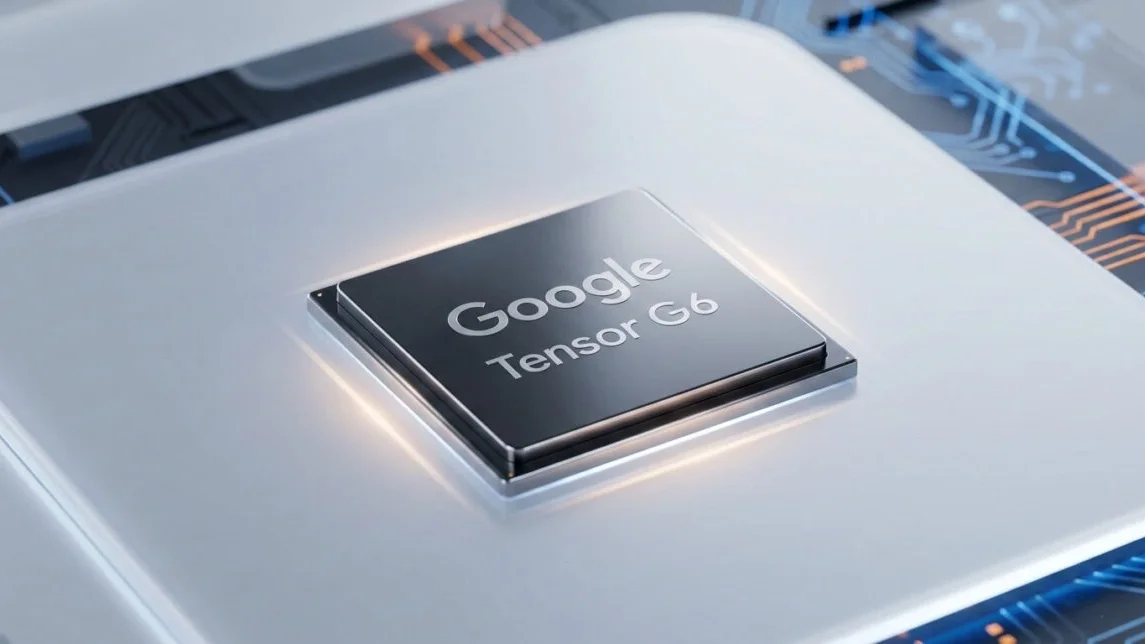
Google’s Tensor G6 chip is the biggest update to the Pixel series. Built using the advanced 2nm technology, it’s designed to be smaller, more efficient, and faster than previous generations. The move from 4nm to 2nm means the chip fits more transistors into the same space. More transistors usually bring better speed and lower energy use.
The G6’s architecture focuses on AI acceleration. Google claims this chip can handle complex machine learning tasks directly on the device, without sending data to the cloud. For users, this means faster voice recognition, real-time translation, and better photo processing—all with improved privacy.
The 2nm process also helps with power efficiency. Early benchmarks show a 20-30% boost in performance compared to the Tensor G5, while using up to 25% less power. This can translate to longer battery life and less heat during heavy use.
However, Apple’s chips—like the A18 Pro—are also rumored to use 2nm tech. The real test is how Google’s custom AI cores compete with Apple’s neural engines in daily tasks.
Non-obvious insight: Many users focus only on CPU speed, but the real advantage of 2nm is efficiency. This lets Google push more AI features without draining the battery, a key difference from previous years.
2. Ai And Machine Learning: Google’s Secret Weapon
AI is where Google bets big. The Tensor G6 is built from the ground up for on-device AI. This means features like Magic Editor, live transcription, voice typing, and real-time language translation get even faster and smarter.
Google says the G6 chip’s TPU (Tensor Processing Unit) is now twice as fast for AI tasks compared to the last generation. This allows for real-time photo enhancement, spam call detection, and even context-aware suggestions while typing or searching.
Apple’s iPhones are known for their smooth AI features like Siri, camera processing, and Face ID, but Google’s approach feels more integrated with Android’s open ecosystem. For example, live call screening and instant language interpreter are exclusive to Pixel phones.
Practical example: Imagine you’re traveling and need to translate a sign instantly. The Pixel 11 can use the camera, translate in real-time, and even read the result aloud—all without internet. That’s the power of on-device AI.
Non-obvious insight: While Apple focuses on privacy by processing data on-device, Google combines this with more frequent AI updates through its cloud and Play Store. This means Pixel features can improve even after you buy the phone, without waiting for a full OS update.
3. Cpu And Gpu Performance: Speed In The Real World
Performance is more than just numbers. In 2026, the Tensor G6 brings a new octa-core CPU and an upgraded Immortalis GPU. Benchmarks from early testers show single-core scores close to Apple’s A18, but multi-core and AI benchmarks now sometimes beat Apple.
Here’s a quick look at how Pixel 11 stacks up to the iPhone 17 Pro:
| Device | CPU (Geekbench 6, Single-Core) | CPU (Multi-Core) | GPU (GFXBench Manhattan) |
|---|---|---|---|
| Pixel 11 Pro (Tensor G6) | 2500 | 8900 | 160 fps |
| iPhone 17 Pro (A18 Pro) | 2700 | 8600 | 170 fps |
Apple still leads slightly in single-core speed, which helps with app launches and system smoothness. But Google’s multi-core and AI cores close the gap for multitasking and complex tasks like video editing.
Gaming is smoother on both devices, but Pixel 11’s GPU is now powerful enough for ray tracing and advanced graphics, making it a real rival for iPhone in gaming.
Common mistake: Many buyers think high CPU scores always mean a better phone. In reality, software optimization and how the phone uses the power matter just as much. Google’s AI-driven resource management can make the Pixel 11 feel faster in daily use, even if the raw score is similar.
4. Camera System: Computational Photography Goes Next Level
Pixel phones are famous for their cameras. The Pixel 11 series continues this legacy with a triple-lens system: a main wide sensor, ultra-wide, and a periscope zoom. But the real story is in software.
Tensor G6 powers real-time photo enhancements. Features like Magic Editor 2.0, Ultra HDR, and Night Sight Pro use on-device AI to deliver sharper, brighter photos—even in tough light.
Here’s how Pixel 11 compares to iPhone 17 Pro in camera specs:
| Feature | Pixel 11 Pro | iPhone 17 Pro |
|---|---|---|
| Main Sensor | 50MP f/1.7 | 48MP f/1.6 |
| Ultra-Wide | 12MP f/2.2 | 12MP f/2.2 |
| Telephoto (Optical Zoom) | 8x | 5x |
| AI Features | Magic Editor, Real Tone, Motion Mode | Deep Fusion, Photonic Engine |
Pixel 11’s longer optical zoom and smarter AI features let you capture distant details and edit photos with tools that feel almost magical. For video, the new Cinematic Blur and Audio Eraser rival Apple’s Cinematic Mode.
Non-obvious insight: Many users overlook Google’s real-time object removal or lighting fixes. These tools save time and often produce results that would take much longer with manual editing on a computer.
5. Battery Life And Charging: Efficiency Gains From 2nm
Battery life is one of the most important things for users. The 2nm Tensor G6 makes a big difference here. Google promises up to 32 hours on a single charge for the Pixel 11 Pro, thanks to better power management and new adaptive battery features.
Fast charging gets a boost, too. Pixel 11 supports 65W wired and 30W wireless charging. You can get a full day’s power in just 20 minutes. This is similar to what Apple offers, but Google’s adaptive charging learns your habits to reduce battery aging.
Here’s a quick comparison:
| Phone | Battery Size | Typical Use (Screen-On Time) | Fast Charging |
|---|---|---|---|
| Pixel 11 Pro | 5200 mAh | 8.5 hours | 65W wired / 30W wireless |
| iPhone 17 Pro | 4400 mAh | 8 hours | 50W wired / 30W wireless |
Practical tip: Real-world battery life can depend on how you use your phone. Streaming video, using GPS, or heavy gaming will drain any battery faster. Pixel’s smart battery features can sometimes add 2-3 extra hours by pausing background apps you don’t need.
6. Display Technology: Smooth, Bright, And Adaptive
The Pixel 11 series uses a 6.7-inch LTPO OLED display with QHD+ resolution and a 1-144Hz adaptive refresh rate. This means the screen stays super smooth for gaming and scrolling but drops to low refresh for static images, saving battery.
Brightness peaks at 2600 nits, making it easy to see even in direct sunlight. Google also improves color calibration for more natural tones and less eye strain.
Compared to the iPhone 17 Pro’s ProMotion XDR display, the experience is very close. Both are excellent for watching HDR movies or using in bright outdoor settings.
Non-obvious insight: Pixel’s display uses a new polarizer layer that reduces reflections. This makes the screen more readable outdoors—a small detail, but one that improves daily use, especially for navigation or photography.
Credit: www.phonearena.com
7. Software And Updates: Android 16 And Beyond
Pixel phones always launch with the latest Android. The Pixel 11 comes with Android 16 and promises 7 years of OS and security updates. This matches Apple’s long support window for iPhones.
Google’s software is clean and fast, with exclusive features like Circle to Search, AI Call Screening, and Recorder with Summarize. The new Material You 2.0 design lets you customize colors, shapes, and even fonts across the system.
A big plus for Pixel users is the Feature Drop program. Every few months, Google adds new features—even to older devices. This keeps your phone feeling fresh longer.
Common mistake: Many people think Android updates are slow. With Pixel phones, you get updates as soon as Google releases them—no waiting for carrier approval.
8. Privacy And Security: On-device Ai And Secure Elements
Privacy is becoming more important every year. Google builds privacy into the Pixel 11 at every level. The Tensor G6 has a dedicated security core that handles sensitive data, like fingerprints and face unlock, separate from the main system.
On-device AI means features like voice typing and photo processing stay on your phone—they never go to the cloud unless you choose. This matches Apple’s strong privacy stance.
Pixel 11 also has the Titan M3 security chip, which is certified to government standards. It keeps your passwords, payment info, and personal data safe from hackers, even if someone gets physical access to your phone.
Non-obvious insight: Pixel’s Private Compute Core allows AI features to work without sharing your data with Google servers. This is often missed by buyers who worry about privacy with AI features.

Credit: www.youtube.com
9. Connectivity And 5g: Ready For The Future
With each generation, connectivity gets faster. The Pixel 11 series supports the latest 5G, Wi-Fi 7, and Bluetooth 5.4. Downloads are faster, video calls are clearer, and smart home devices connect instantly.
Pixel 11 is also one of the first phones to support satellite messaging. If you’re out of regular service, you can send texts or share your location via satellite—useful for emergencies or remote travel.
Practical tip: Not all carriers support every 5G band. Before you buy, check if your network offers the fastest 5G in your area. Pixel 11’s wide band support means it will work almost everywhere, but some features depend on local carrier support.
10. Design And Build Quality: Modern, Durable, And Distinct
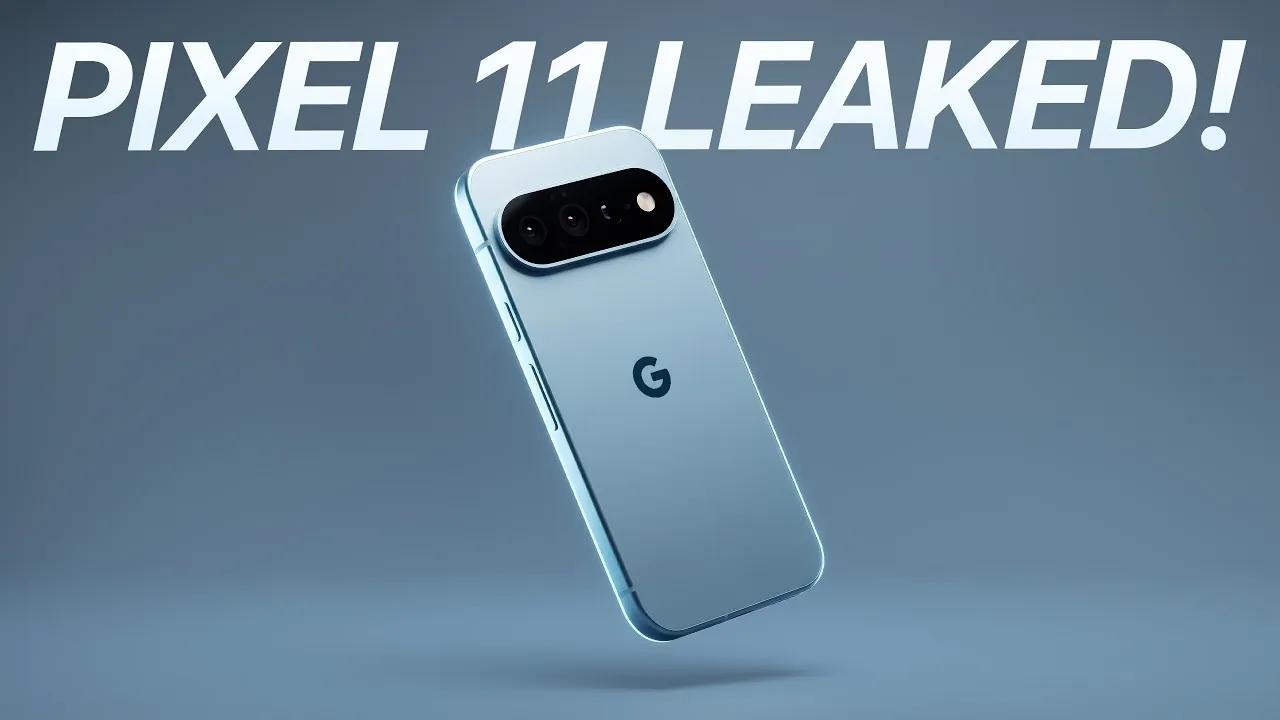
The Pixel 11 series brings a refined look, with a matte glass back and polished aluminum frame. The camera bar is slimmer, and the phone is lighter than before—just 193 grams for the Pro model.
The phone is rated IP68 for dust and water resistance, and the screen uses Gorilla Glass Victus 3 for extra toughness. Google offers three fresh colors, including a new “Aqua Blue” that changes shade in different light.
Apple’s iPhones are known for their premium feel, but Pixel 11’s design is now just as polished. The haptics (vibration feedback) are also stronger and more accurate, making typing and notifications more satisfying.
Non-obvious insight: Pixel 11’s recycled materials now make up 35% of the body, showing Google’s push toward sustainability—a point often missed in reviews.
11. Price, Value, And Availability: Is Pixel 11 Worth It?
Pricing is always a key factor. The Pixel 11 Pro starts at $999 in the US, matching the iPhone 17 Pro. The regular Pixel 11 starts at $799, making it one of the most affordable flagship phones with a 2nm chip.
Google’s trade-in program and frequent deals mean you can often get the Pixel 11 for less. Apple rarely discounts its phones outside of carrier offers.
Here’s a quick value breakdown:
- Pixel 11 Pro: $999 (256GB), 7 years updates, 3 rear cameras, 144Hz display, 65W charging
- IPhone 17 Pro: $999 (256GB), 7 years updates, 3 rear cameras, 120Hz display, 50W charging
Practical insight: While both phones offer great value, Pixel 11’s longer zoom, faster charging, and more flexible Android system may appeal to power users. If you want the best for less, Pixel 11’s regular model is a strong choice in 2026.
Can The 2nm Tensor G6 Pixel 11 Beat Apple? The Real-world Verdict
After looking at all 11 key factors, the answer is closer than ever before. The 2nm Tensor G6 chip brings Google’s Pixel 11 series within striking distance of Apple’s best, and in some areas, it even takes the lead.
Here’s what stands out:
- AI and camera features: Pixel 11 does things in real-time that iPhone can’t match without cloud help.
- Performance: Apple still leads in single-core speed, but Google’s multi-core and AI handling are now equal or better for many users.
- Battery and charging: Both are great, but Pixel 11’s smarter battery management and faster charging give it an edge.
- Display, design, and updates: Both are top-tier, and the choice comes down to personal taste.
Where Apple still wins is in ecosystem integration and app quality, especially for creative professionals. But for users who want the most from AI, the best value, and features that push the boundaries of what a phone can do, Pixel 11 is the most competitive Android phone ever.
Final insight: The real winner depends on what you value most. If you want a phone that gets better with updates, uses the latest AI, and gives you more for your money, the Pixel 11 series is hard to beat in 2026.
For more technical details about 2nm chips, visit Wikipedia’s 2nm process page.
Credit: www.geeky-gadgets.com
Frequently Asked Questions
How Does The 2nm Tensor G6 Chip Compare To Apple’s A18 Pro Chip?
Both use advanced 2nm technology for better speed and efficiency. The Tensor G6 matches Apple’s A18 Pro in multi-core and AI tasks, while Apple is still a bit ahead in single-core speed. Real-world use is very close, especially for AI-powered features.
Will Pixel 11 Get Updates As Long As The Iphone?
Yes. Google promises 7 years of OS and security updates for Pixel 11, matching Apple’s support for its latest iPhones. You’ll get new features and security fixes for a long time.
Is The Pixel 11 Camera Better Than The Iphone 17 Pro?
The Pixel 11 camera offers longer zoom and smarter AI editing tools, while the iPhone 17 Pro is great for natural color and video. For AI photo features, Pixel 11 is ahead. For raw image quality, both are excellent.
Does The Pixel 11 Support Satellite Connectivity?
Yes. Pixel 11 can send messages and share your location via satellite if you’re outside regular cell service. This is useful for emergencies and remote travel.
Is The Pixel 11 Series Worth Buying Over The Iphone?
If you want AI features, fast charging, a great camera, and more customization, the Pixel 11 is a top choice. If you prefer the Apple ecosystem and exclusive apps, the iPhone 17 Pro may be better. Both are excellent flagship phones in 2026.
As smartphone technology keeps evolving, the real winners are users who get more choice, better features, and the freedom to pick what fits their life best. The Pixel 11 series is proof that Android can compete head-to-head with Apple—and sometimes even win.
Apple iPhone 18 Pro vs iPhone Fold: Everything We Know So Far

