










Travelers are changing. More people now care about sustainable tourism and look for places that protect nature, culture, and people. If you want your next trip in 2026 to be eco-friendly, you have many choices. Some destinations are leading the way, showing how tourism can help the planet and local communities. You can enjoy unique experiences, see beautiful landscapes, and support green practices—all at once. Let’s explore the top 10 green destinations for the conscious traveler in 2026, based on the latest trends, awards, and real-world impact.
1. Ljubljana, Slovenia
The capital of Slovenia is a model for urban sustainability. Ljubljana banned cars in its city center and replaced them with electric taxis, bikes, and walking paths. Over 75% of waste is recycled, and the city is filled with parks and green spaces. In 2026, Ljubljana continues to win “Green City” awards for its clean air and easy access to nature. You can stroll along the Ljubljanica River, join guided eco-tours, or visit the central market that sells only local produce. Many hotels here are certified “green,” offering organic food and low-impact stays.
2. Costa Rica
Costa Rica is famous for its biodiversity and eco-tourism. The country protects over 25% of its land as national parks and reserves. In 2026, Costa Rica is close to becoming carbon neutral. Visitors can explore rainforests, volcanoes, and beaches while supporting local conservation projects. Many lodges use solar energy, recycle water, and offer wildlife safaris that respect animal habitats. The country’s “Blue Flag” program rewards communities for clean beaches and sustainable practices. If you want to see sloths, monkeys, and sea turtles in the wild, Costa Rica is a top pick.

Credit: sdotblog.seattle.gov
3. Palawan, Philippines
Palawan is known as the “last ecological frontier” of the Philippines. Its turquoise waters, limestone cliffs, and lush forests are protected by strict laws. In 2026, Palawan’s eco-resorts use solar power, ban single-use plastics, and offer guided tours that teach about marine life. The UNESCO-listed Puerto Princesa Subterranean River is a must-see, and local groups lead mangrove planting and reef restoration efforts. Palawan’s community-based tourism helps local villages earn from responsible travel.
4. Bhutan
Bhutan is the world’s only country with a “Gross National Happiness” policy. The government limits visitor numbers and charges a daily fee to fund conservation and local welfare. In 2026, Bhutan remains carbon negative—absorbing more CO2 than it produces. Most hotels are eco-certified, and trekking routes are managed to prevent overuse. You can hike to Tiger’s Nest Monastery, join organic farm tours, or attend festivals that celebrate local culture. Bhutan’s forests cover over 70% of its land, and wildlife is protected by law.
Credit: www.timeout.com
5. Amsterdam, Netherlands
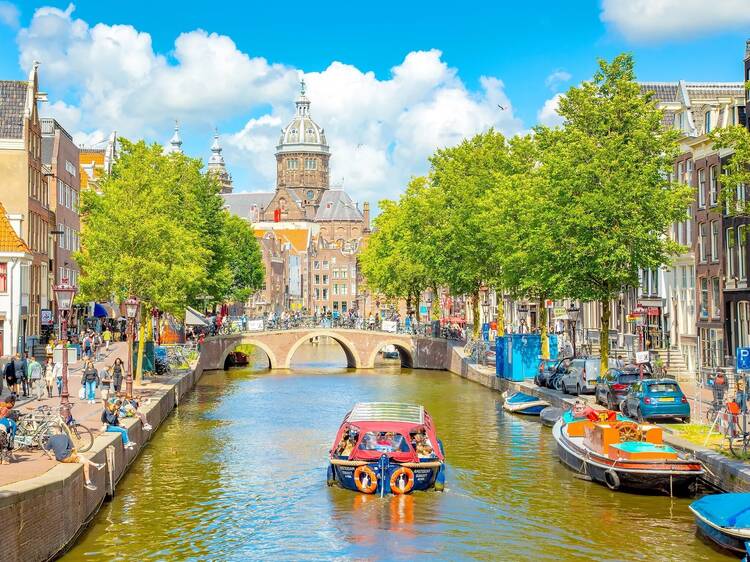
Amsterdam is not just about canals and museums—it’s one of Europe’s greenest cities. By 2026, nearly all public transport runs on renewable energy, and over 40% of city travel is by bike. The city’s “Circular Economy” plan recycles almost everything, from food waste to building materials. Hotels, cafes, and shops offer plant-based menus and encourage reusable packaging. The Amsterdam Green Map helps visitors find eco-friendly places easily. You can join boat tours powered by solar energy or explore city farms that grow organic vegetables.
| Destination | Key Green Feature | Certified Eco-Hotels |
|---|---|---|
| Ljubljana | Car-free city center | 15+ |
| Costa Rica | National parks | 120+ |
| Palawan | Plastic-free resorts | 25+ |
| Bhutan | Carbon negative | 10+ |
| Amsterdam | Bicycle culture | 30+ |
6. Vancouver, Canada
Vancouver is a leader in green urban planning. By 2026, over 98% of its energy comes from clean sources. The city has hundreds of parks, green roofs, and urban forests. You can cycle along the Seawall, visit community gardens, or stay in hotels with LEED certification. Vancouver promotes indigenous tourism, letting travelers learn from First Nations about sustainable land use. Local restaurants serve organic, seasonal food, and zero-waste shops are everywhere.
7. Rwanda
Rwanda shows how eco-tourism can help wildlife and communities recover. The country banned plastic bags years ago and is famous for its mountain gorillas. In 2026, strict visitor rules protect gorilla habitats and fund local schools. Rwanda’s national parks are managed by local people, and safaris use electric vehicles. The capital, Kigali, is clean and safe, with green public spaces. You can hike in Volcanoes National Park, join reforestation projects, or support women-led tourism businesses.
8. Scotland
Scotland blends ancient culture with modern green ideas. The government aims for “net zero” emissions by 2045, and tourism is part of this plan. In 2026, Scotland’s wild landscapes—such as the Highlands and islands—are protected by national trusts. Eco-lodges use wind and hydro power, and many offer “slow travel” packages.
Castles and museums use solar panels and recycle water. Travelers can join wildlife watching tours, help plant native trees, or learn about Celtic traditions.

Credit: www.jetpacglobal.com
9. Ecuador (galápagos Islands)
The Galápagos Islands are a living laboratory for conservation. Ecuador controls visitor numbers, and all tourism supports science and local communities. In 2026, new rules limit plastic use and require eco-certification for hotels and tour boats. Visitors see giant tortoises, marine iguanas, and rare birds. Guided tours follow strict paths to avoid disturbing wildlife. The islands’ energy now comes mostly from wind and solar, and water is carefully managed.
| Destination | Protected Land (%) | CO2 Reduction Goal (2026) |
|---|---|---|
| Costa Rica | 25% | Carbon neutral |
| Bhutan | 70% | Carbon negative |
| Rwanda | 10% | Plastic free |
| Scotland | 17% | Net zero by 2045 |
| Galápagos | 97% | Eco-certified tourism |
10. New Zealand
New Zealand is famous for its pure landscapes—mountains, lakes, and forests. The government’s “Tiaki Promise” encourages visitors to care for nature and respect local culture. In 2026, eco-lodges use geothermal energy and offer zero-waste stays. You can hike in Fiordland National Park, join Maori cultural tours, or ride electric buses across cities. Most national parks have strict rules to protect wildlife and reduce pollution. New Zealand’s green tourism is managed with input from local communities and scientists.
What Makes A Destination Truly Green?
Many places claim to be “eco-friendly,” but not all deliver. A truly green destination must:
- Protect local nature and wildlife
- Use renewable energy and reduce waste
- Involve local communities in tourism decisions
- Offer education for visitors about conservation
- Set clear rules and limits for visitor numbers
Some travelers overlook the need to check for certified eco-labels when booking hotels or tours. These labels prove a business follows strict environmental standards. Another mistake is forgetting to ask how tourism money helps local people. Always look for destinations where your visit supports both nature and the community.
Green Travel Stats For 2026
Recent surveys show that:
- Over 68% of travelers in 2026 choose destinations with eco-certification
- 55% are willing to pay more for sustainable stays
- Destinations with green policies see a 20% increase in visitor satisfaction
| Year | Sustainable Travel Market Size (USD) | Growth Rate (%) |
|---|---|---|
| 2024 | $340 billion | 14% |
| 2026 | $420 billion | 18% |
Two Insights Many Beginners Miss
First, green travel is not just about nature—it’s also about culture and people. Supporting local traditions, buying from small businesses, and joining community tours are part of eco-friendly tourism.
Second, “green” does not mean boring or expensive. Many green destinations offer unique activities, like volunteering for conservation, learning native crafts, or tasting organic food. Often, these experiences are more rewarding and memorable.
How To Plan A Green Trip In 2026
Start by choosing destinations with proven green policies. Look for eco-certified hotels and tours. Book direct with local businesses. Use public transport, bikes, or walk whenever possible. Pack light and avoid disposable items. Before you travel, read about local customs and rules.
Many green destinations offer online guides to help visitors prepare.
If you want to learn more about the global growth of eco-tourism and see official rankings, you can check the Wikipedia Sustainable Tourism page.
Frequently Asked Questions
What Is A Green Destination?
A green destination protects nature, uses clean energy, involves local communities, and sets rules to limit pollution and overcrowding. These places often have eco-certification and offer sustainable travel options.
How Can I Check If A Hotel Is Eco-friendly?
Look for certified labels like LEED, Green Globe, or local eco-certification. Ask hotels about their energy use, waste policies, and support for local people.
Are Green Destinations More Expensive?
Not always. Many eco-lodges and community stays are affordable. Prices sometimes include conservation fees, but your money supports good causes.
What Activities Are Popular In Green Destinations?
Common activities include hiking, wildlife watching, cultural tours, volunteering, and eating local organic food. Many places also offer workshops and eco-education.
Can Families Visit Green Destinations?
Yes! Many green destinations welcome families, with activities for all ages. Nature tours, farm visits, and cultural experiences are safe and fun for children.
Green travel is more than a trend—it’s a way to make your trip meaningful. By choosing one of these top 10 green destinations in 2026, you help protect the planet and support local communities. Your journey becomes a positive force, shaping a better world for future travelers.