










Visa-Free vs Visa on Arrival Key Differences
Visa-Free Vs Visa on Arrival: What’s the Difference for Travelers in 2026?
Traveling has never been easier, but the world of visa requirements can feel confusing. If you are planning a trip in 2026, you might wonder: “Do I need a visa?” or “What does visa-free or visa on arrival mean?” Understanding these terms is key to saving time, money, and avoiding problems at the border. In this guide, you’ll discover the real differences between visa-free and visa on arrival, how they work, and what every traveler should know for smooth journeys in 2026. Whether you’re a beginner or an experienced explorer, this article will help you make smart decisions for your next adventure.
What Does Visa-free Mean?
Visa-free travel is the simplest option for travelers. When a country is visa-free for your passport, you can enter without applying for a visa. There is no paperwork, no fees, and no waiting in long lines. You simply show your passport at the border, and you’re allowed in.
How Visa-free Works In 2026
Many countries are expanding their visa-free agreements. According to the latest updates, more than 60% of global destinations now offer visa-free entry to certain passport holders. For example, citizens of the United States can visit up to 190 countries visa-free or with easy entry. The Henley Passport Index predicts even more countries will join these agreements by 2026.
Visa-free rules depend on your nationality. Some passports allow entry to many countries, while others face more restrictions. The length of stay can also vary. For example, you might get 90 days in the Schengen Area, but only 30 days in Japan.
Benefits Of Visa-free Travel
- No paperwork: You don’t need to fill out forms or provide documents before your trip.
- Quick entry: You save time at the airport or border.
- No fees: Most visa-free entries do not require payment.
- Less stress: There’s less risk of being denied entry.
Common Restrictions
Visa-free does not mean unlimited freedom. You must still meet basic entry requirements:
- Valid passport: Usually six months validity is required.
- Proof of onward travel: Some countries ask for a return ticket.
- Financial proof: You may need to show you can support yourself.
- Purpose of visit: Visa-free is often for tourism or business. Working is not allowed.
Real Example: Thailand In 2026
Thailand recently expanded visa-free entry for several countries. In 2026, citizens from over 60 nations can enter Thailand for up to 45 days without a visa. However, you must show a return ticket and enough funds. If you overstay, penalties are strict.
What Is Visa On Arrival?
Visa on arrival means you do not need to apply before your trip, but you must get your visa at the border or airport when you arrive. It’s easier than applying before travel, but still involves some steps.
How Visa On Arrival Works In 2026
With visa on arrival, you:
- Arrive at the border or airport.
- Fill out a short application form.
- Pay a visa fee (can range from $10 to $100).
- Show documents (passport, photos, proof of funds).
- Wait for approval, usually a few minutes to an hour.
In 2026, many countries are upgrading their visa on arrival systems with digital kiosks and faster processing. For example, Indonesia now offers electronic visa on arrival (eVOA) for 96 countries, cutting wait times by 50%. India’s visa on arrival is also streamlined with QR codes for verification.
Pros And Cons Of Visa On Arrival
Pros:
- No need to visit an embassy before travel.
- Flexible for last-minute trips.
- Usually faster than full visa applications.
Cons:
- Long lines at arrival.
- Risk of denial at border.
- Fees are sometimes higher than online visas.
- Paperwork is still needed.
Real Example: Egypt In 2026
Egypt offers visa on arrival for over 70 countries. When you land in Cairo, you pay $25, fill out a form, and get a 30-day visa. However, some travelers report long lines and confusion. In 2026, Egypt is rolling out digital kiosks to speed up the process.
Key Differences: Visa-free Vs. Visa On Arrival
Understanding the main differences helps you plan better. Here’s a clear comparison:
| Feature | Visa-Free | Visa on Arrival |
|---|---|---|
| Apply Before Travel | No | No |
| Paperwork at Border | No | Yes |
| Fees | Usually None | Usually Required |
| Risk of Denial | Low | Medium |
| Processing Time | Immediate | Minutes to Hours |
| Overstay Penalties | Strict | Strict |
Which Countries Offer Visa-free And Visa On Arrival In 2026?
The list of countries changes often, but several trends are clear for 2026. Let’s look at some examples for popular passports.
| Country | Visa-Free Destinations | Visa on Arrival Destinations |
|---|---|---|
| United States | 190 | 30 |
| India | 60 | 45 |
| Brazil | 157 | 35 |
| China | 80 | 25 |
| South Africa | 100 | 20 |
Always check official sources before you travel, as rules can change quickly. For the latest updates, refer to the Henley Passport Index.
Common Mistakes Travelers Make In 2026
Even experienced travelers make mistakes with visa-free and visa on arrival rules. Here are some non-obvious pitfalls to avoid:
- Assuming visa-free means unlimited stays: Many countries limit you to 30, 60, or 90 days. Overstaying leads to fines or bans.
- Ignoring entry requirements: Even with visa-free or visa on arrival, you may need proof of funds, a return ticket, or hotel bookings.
- Not checking passport validity: Some borders require at least six months validity.
- Confusing visa-free and visa on arrival: These terms are different. Double-check before booking flights.
- Missing local changes: Countries update their rules often. For example, Russia dropped visa-free for some nationalities in early 2026.
How To Find Out Your Visa Status For 2026
Finding your visa requirements is easier than ever in 2026. Here’s how:
- Visit official government websites: Always use official sources for updated rules.
- Use passport ranking tools: The Henley Passport Index and Timatic offer live visa data.
- Check airline information: Airlines often provide entry requirement details.
- Ask embassies: Contact your country’s embassy in your destination for the most reliable advice.
Practical Example: Planning A Trip To Japan
Suppose you hold a Brazilian passport and want to visit Japan in 2026. Brazil is visa-free for Japan, allowing 90 days for tourism. You do not need to apply for a visa or pay fees. However, you must show your return ticket and prove you have enough funds.
If you are from India, Japan offers visa on arrival for business, but not tourism. You must apply at the airport, pay a fee, and show documents.
Visa-free And Visa On Arrival Trends For 2026
The world is moving towards easier travel, but security concerns are rising. Here are two new trends:
- Digital border checks: Many countries now use biometric scans and digital kiosks to speed up entry, especially for visa on arrival.
- Shorter visa-free stays: Some countries reduce the visa-free period to prevent overstays. For example, the Schengen Area is reviewing limits for certain passport holders.
Data Table: Visa-free Stay Lengths (2026)
| Country | Visa-Free Stay (Days) |
|---|---|
| Thailand | 45 |
| Germany (Schengen) | 90 |
| Japan | 30 |
| Brazil | 90 |
| Indonesia | 30 |
Visa-free Vs. Visa On Arrival: Which Is Better For You?
Choosing the best option depends on your passport and travel plans. Here’s how to decide:
When Visa-free Is Best
- You want a stress-free entry.
- You dislike paperwork or fees.
- You travel often and want speed.
When Visa On Arrival Works
- Your passport is not eligible for visa-free entry.
- You need to visit countries not covered by visa-free agreements.
- You plan last-minute trips and can handle some paperwork.
Insider Tip
Always check if eVisa is available. Some countries offer electronic visas, which are faster and easier than traditional visas on arrival. For example, Turkey and Vietnam now allow eVisa for most nationalities, processing in 24 hours.
What Happens If You Overstay?
Overstaying is risky. Both visa-free and visa on arrival come with strict penalties:
- Fines (can be $100+ per day)
- Deportation
- Ban on future entry
- Legal action in some cases
In 2026, many countries use digital systems to track entries and exits. Overstays are detected quickly, and penalties are applied even for minor cases. Always check your allowed stay and plan your exit date.
The Role Of Passport Power In 2026
Not all passports are equal. The “power” of your passport affects how many countries you can visit visa-free or with visa on arrival. In 2026, the top-ranking passports (like Japan, Singapore, Germany, and the US) offer access to nearly 200 countries.
Lower-ranking passports face more restrictions, and must rely more on visa on arrival.
Upgrading your passport (if possible) can open more destinations. For example, citizens with dual nationality often choose the passport with better visa-free access.

Credit: www.visittocambodia.com
Preparing For Smooth Entry In 2026
Even with visa-free or visa on arrival, you must prepare for border checks. Here’s what to bring:
- Valid passport (with enough validity)
- Return or onward ticket
- Proof of funds (bank statement or cash)
- Hotel booking (sometimes required)
- Travel insurance (optional, but recommended)
Non-obvious Insight
Some countries scan your fingerprints or take photos at entry. If you refuse, you may be denied entry, even with visa-free status. Also, a criminal record can block entry, regardless of visa rules.
Visa-free And Visa On Arrival For Groups And Families
Traveling with family or groups in 2026 brings extra challenges. Some countries require each member to have individual documents. For visa on arrival, children may need separate forms and fees.
If you travel with minors, carry birth certificates and parental consent letters. This is especially important for single parents or guardians.
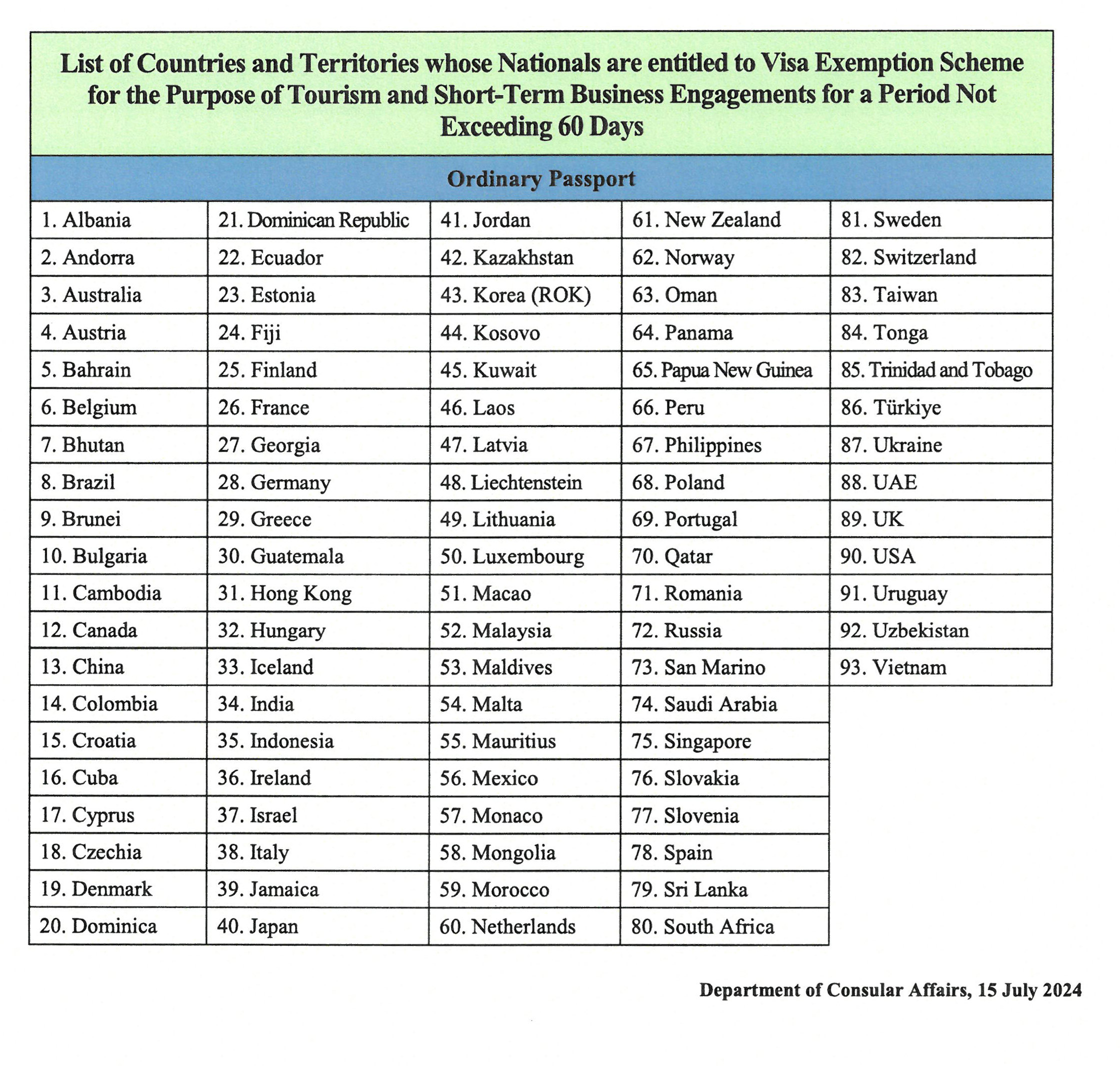
Credit: thaiconsulatela.thaiembassy.org
Business, Study, And Work: Not Always Allowed
Visa-free and visa on arrival are usually for tourism or short business visits. If you want to work, study, or stay longer, you must apply for a proper visa in advance.
Trying to work on a tourist visa is illegal and can lead to deportation or bans. Always check your visa type and follow the rules.
Digital Visas And New Systems In 2026
Technology is changing travel. Many countries now offer eVisa or digital visa on arrival. These systems use apps or websites for fast applications. You upload documents, pay fees, and receive a QR code for entry.
Digital visas are safer and faster but require internet access. Always download your visa confirmation before leaving home.

Credit: www.letsmoveindonesia.com
How To Avoid Problems At The Border
Follow these steps for smooth entry:
- Double-check your visa status before booking flights.
- Prepare all documents in advance.
- Keep copies of your passport and visa.
- Be polite and clear with border officials.
- Know your allowed stay and exit date.
Real-world Example
In 2026, a traveler from China arrived in Indonesia with visa on arrival. She forgot to bring a passport photo. The process took longer, and she almost missed her connecting flight. Always read the requirements for visa on arrival carefully.
Frequently Asked Questions
What Is The Main Difference Between Visa-free And Visa On Arrival?
Visa-free means you can enter a country without any paperwork or fees. Visa on arrival requires you to get a visa at the border, fill out forms, and pay a fee.
Can I Work Or Study With Visa-free Or Visa On Arrival?
No. Both options are usually for tourism or short business trips. To work or study, you must get a proper visa before your trip.
Is Visa On Arrival Guaranteed?
Not always. You can be denied at the border if you don’t meet requirements or lack documents. Always check official sources and prepare in advance.
What Happens If I Overstay My Visa-free Or Visa On Arrival Stay?
You can face fines, deportation, or a ban on future entry. In 2026, digital systems make it easier for countries to detect overstays.
How Do I Check My Visa Requirements For A Country In 2026?
Use official government websites, passport ranking tools like the Henley Passport Index, and airline information. Rules change often, so always check before booking.
Traveling in 2026 is full of possibilities, but understanding visa-free and visa on arrival rules makes your journey safer and smoother. Whether you’re going for business, family, or adventure, knowing these differences helps you avoid stress and enjoy your trip. Always stay updated, prepare your documents, and respect the rules of each country. With smart planning, you can explore more of the world with confidence.
Best Visa-Free Countries in Asia to Explore in 2026