









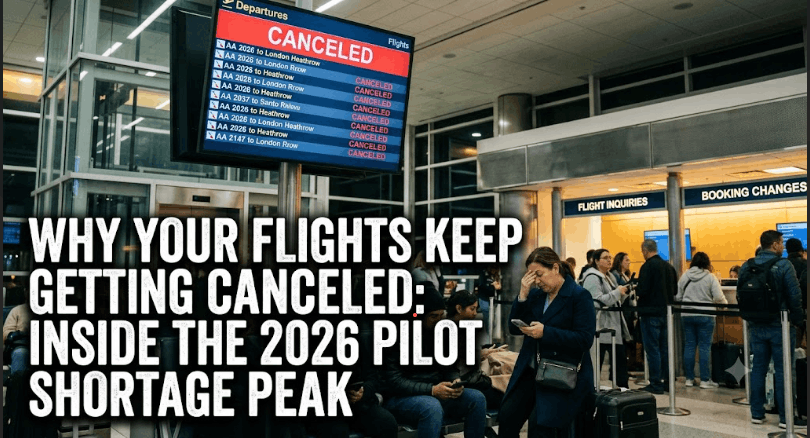
Your flight gets canceled. Again. You’re upset, maybe a bit confused. Why does this keep happening? Airlines, airports, and travelers worldwide are feeling the pressure. The reason isn’t weather or mechanical issues—it’s the 2026 pilot shortage peak. This problem is bigger than many realize, and it’s changing how we fly. If you’re planning a trip, or just want to understand what’s going on, read this guide. You’ll get the facts, real data, and practical insights on how the pilot shortage Crisis in 2026 is causing flight cancellations and delays.
Why Are Flights Being Canceled So Often?
The number of canceled flights is rising fast. In the US alone, over 250,000 flights were canceled in 2026—a sharp increase from previous years. The trend is global: Europe, Asia, and South America are seeing more cancellations and longer delays. But the biggest reason in 2026 is the pilot shortage Crisis.
Weather, maintenance, and air traffic control are still factors. But this time, the lack of qualified pilots is the main cause. Airlines cannot staff all their routes, so they cancel flights—sometimes days or hours before departure. This is not just an inconvenience; it disrupts the travel industry, affects economies, and leaves passengers stranded.
Travelers now face new challenges every time they fly. Even when skies are clear and planes are healthy, flights still disappear from schedules. Airports must adjust quickly, often leaving passengers with few choices. Families heading on vacation, business travelers with tight schedules, and students going home all face uncertainty. In many cases, there is no warning, and the reason is almost always the same: not enough pilots.
The impact doesn’t stop with travelers. Hotels, tourism companies, and even local taxi drivers feel the effect. When flights are canceled, fewer people arrive, and local businesses lose income. For many cities, especially those depending on tourism, this is a big problem.
Understanding The 2026 Pilot Shortage Peak
What Is The Pilot Shortage?
A pilot shortage Crisis means there aren’t enough trained pilots to fly scheduled flights. In 2026, the problem reaches its worst point. Airlines are struggling to fill positions, and many veteran pilots are retiring.
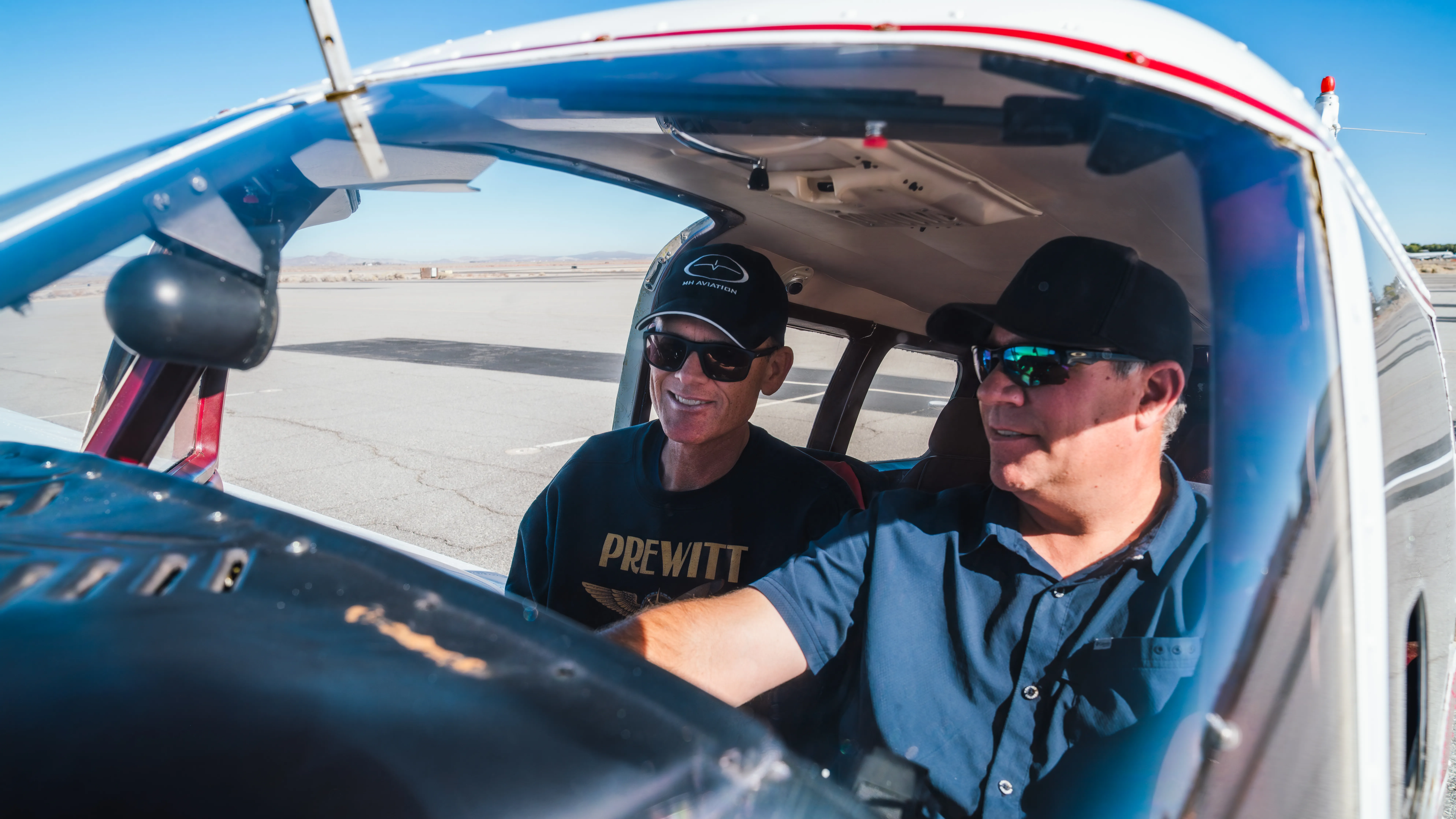
It’s important to know that being a pilot is not just about flying the plane. Pilots must go through years of training, pass strict exams, and log thousands of flight hours. Even after training, they must keep their skills fresh with regular checks and courses.
When there aren’t enough pilots, airlines cannot operate as planned.
Key Data And Trends
- By 2026, the global airline industry will be short over 80,000 pilots.
- Major US carriers need to hire at least 14,000 new pilots per year to keep up.
- Pilot retirements are happening faster than new pilots are trained.
- Smaller regional airlines are hit hardest—they cancel more flights because they lose pilots to bigger carriers.
The numbers are clear. For example, in North America, the shortage is so severe that airlines are recruiting internationally and offering big incentives. Flight schools see more students, but they still cannot produce enough graduates. Meanwhile, experienced pilots leave faster than they arrive, leaving a gap that grows each year.
Real-world Example
Delta Airlines canceled over 1,000 flights during a single summer week in 2026 because they couldn’t find enough pilots. Regional airlines like SkyWest and Republic have reduced their schedules by 20–30%. This trend is expected to get worse in 2026.
In Europe, Ryanair and EasyJet have also reported major disruptions. These airlines try to manage schedules but often face last-minute cancellations. In Asia, airlines like AirAsia and IndiGo are cutting routes, sometimes removing service to smaller cities completely. This shows the pilot shortage is not limited to one country or region—it’s a worldwide problem.
Credit: mhaviation.com
What’s Causing The Pilot Shortage Crisis?
1. Retiring Pilots
Many pilots reach mandatory retirement age (usually 65 in the US). In 2026, a wave of retirements hits. Over 30% of current pilots are set to retire, leaving huge gaps.
Retirement is not just a US issue. In many countries, rules about pilot age are strict. Some pilots leave early due to health or personal reasons. When a group of experienced pilots retires at once, airlines lose years of skill and knowledge, making it harder to train replacements quickly.
2. Not Enough New Pilots
Training is expensive and slow. It can cost over $100,000 to become a commercial pilot, and it takes years. Flight schools are at capacity, and many students drop out because of high costs.
Some students cannot afford the tuition, while others struggle with the demanding study and flight hours. In countries with fewer flight schools, the problem is worse. Even when students graduate, they need more flying time before qualifying for commercial jobs.
This process makes it difficult for airlines to fill vacancies quickly.
3. Pandemic Effects
COVID-19 caused mass layoffs and early retirements. Many pilots left the industry and never returned. The training pipeline slowed down, creating a backlog.
During the pandemic, airlines stopped hiring and many pilots found other work or retired early. Flight schools shut down or reduced classes. Now, as travel returns, there are not enough pilots to meet demand. The backlog from 2020–2026 is still affecting airlines in 2026.
4. Industry Growth
Global demand for air travel is rising fast. Airlines want to add more flights, but they can’t find enough pilots. The gap between supply and demand keeps growing.
Cities are expanding, tourism is increasing, and more people want to travel. Airlines introduce new routes and more frequent flights. However, without enough pilots, these plans cannot succeed. This disconnect is a big reason for the shortage.
5. Regulations And Training Delays
New rules require more flight hours and stricter testing. This is good for safety, but it slows down the process. Fewer pilots qualify each year.
Regulations are important for safety, but they make training longer and harder. For example, in the US, pilots now need 1,500 flight hours before they can work for airlines. In Europe, similar rules exist. These requirements mean that even talented students must spend extra years training, making it harder to fix the shortage quickly.
How Does The Pilot Shortage Cause Flight Cancellations?
Scheduling Problems
Airlines create flight schedules months ahead. But if there aren’t enough pilots, they must cancel flights, sometimes with little notice. This affects both domestic and international routes.
Schedulers try to match pilots to flights, but gaps appear. Sometimes, pilots are available for one route but not another. This leads to last-minute changes and confusion for passengers. Airlines often have to reshuffle pilots, which can create delays and mistakes.
Last-minute Cancellations
If a pilot calls in sick or the airline cannot find a replacement, flights are canceled just hours before departure. Passengers receive messages, but often too late to make other plans.
This creates stress for travelers. Sometimes, airlines offer vouchers or refunds, but finding another flight is difficult, especially during busy times. People miss important events, business meetings, or family gatherings.
Route Reductions
Some airlines drop routes entirely. Smaller cities lose service, and people must drive hours to reach an airport.
These reductions hit rural and less-populated areas hardest. For example, in the US Midwest, small towns have lost daily flights, forcing residents to travel long distances. In Europe and Asia, many regional airports see fewer flights or shut down completely, affecting local economies and tourism.
Credit: duboisaviation.com
Who Is Affected Most?
Passengers
Travelers lose time, money, and trust. Refunds and rebooking are slow. Families, business travelers, and tourists all feel the impact.
Some passengers must pay extra for last-minute changes or spend hours waiting for new flights. Those on tight schedules, such as medical patients or students, suffer most. Elderly travelers or people with disabilities face even bigger challenges when flights are canceled.
Airlines
Revenue drops. Airlines pay fees, refund tickets, and lose loyal customers. Their reputation suffers.
Airlines must spend money to fix mistakes, offer compensation, and manage angry customers. They also face fines from governments or airport authorities. Many airlines lose repeat customers and find it harder to fill seats in the future.
Airports
Smaller airports see fewer flights. Local economies lose jobs and income.
Jobs at airports—from baggage handlers to shop workers—are affected. Fewer flights mean less business for local companies. Some airports may close down or reduce staff, which hurts the surrounding community.
Pilots
Working pilots face longer hours and more stress. Fatigue increases safety risks. Many pilots are forced to work overtime.
Pilots must take on extra flights, sometimes with little rest. This can lead to mistakes and lower morale. Some pilots consider leaving the industry because of stress, which makes the shortage even worse.
Comparing The Impact: Before And After The Shortage
Here’s a simple table showing how flight cancellations have changed from 2026 to 2026.
| Year | Flights Canceled | Major Cause |
|---|---|---|
| 2026 | 120,000 | Weather, maintenance |
| 2026 | 250,000 | Pilot shortage, weather |
| 2026 | Over 400,000 (projected) | Pilot shortage peak |
This data shows how cancellations are rising, with the pilot shortage as the main reason in 2026.
In addition to cancellations, delays have increased. In 2026, average delays were 15 minutes. By 2026, delays can often last hours, especially on routes with fewer available pilots. This extra waiting is frustrating for passengers and expensive for airlines.
How Airlines Are Responding
Hiring More Pilots
Airlines are offering bonuses and higher salaries to attract new pilots. Some offer up to $20,000 for signing up.
Some airlines also pay for training or offer free flight school to promising candidates. They look for pilots from military backgrounds or other industries. In some cases, airlines offer flexible schedules or family benefits to encourage more people to join.
Training Programs
New programs speed up training. Airlines partner with flight schools and offer scholarships.
Some airlines set up their own pilot academies. They use simulators and online courses to make training faster. Airlines also encourage more women and minorities to become pilots, hoping to expand the talent pool.
Changing Flight Schedules
Airlines cut less profitable routes and focus on big cities. They try to maximize flights with available pilots.
This means fewer flights to small towns or remote areas. Airlines prioritize busy routes and try to keep planes full. Sometimes, flights are combined or rescheduled to save pilot hours.
Using Larger Planes
Some carriers use bigger aircraft to carry more passengers per flight. This reduces the number of flights but keeps total passenger numbers steady.
For example, instead of three small planes, an airline might use one large plane. This helps save pilot hours and fuel, but can mean fewer options for travelers.
Outsourcing
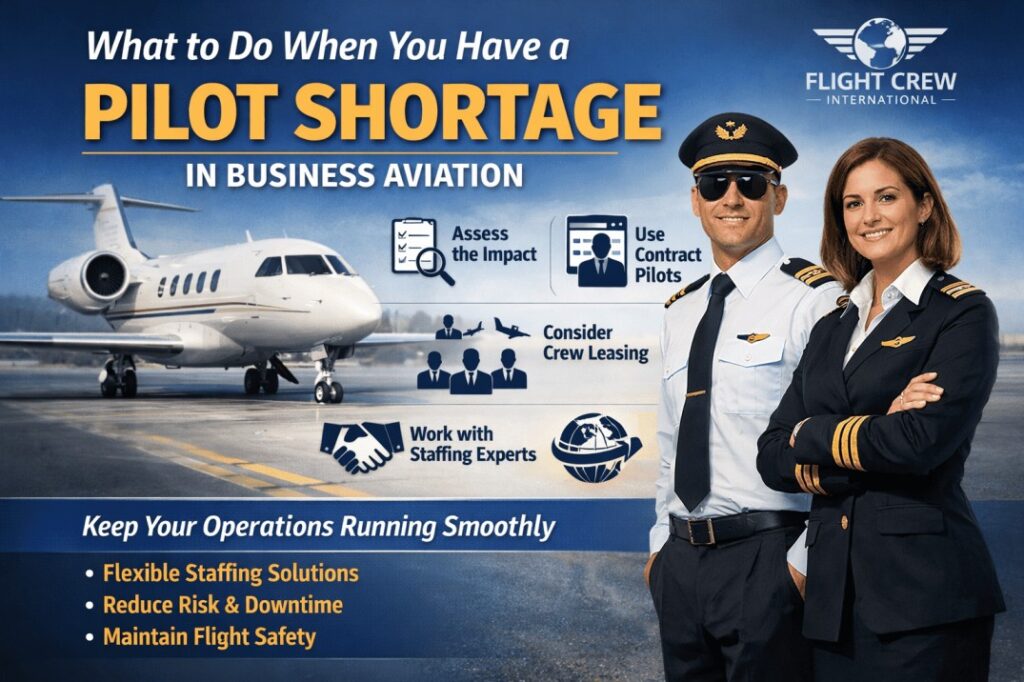
Airlines hire pilots from other countries or use contract pilots. This is a temporary fix and can create new challenges.
Foreign pilots must meet local rules and learn new systems. Contract pilots may not be as familiar with company procedures, which can lead to mistakes or slower operations.
Regional Airlines: The Hardest Hit
Smaller airlines lose pilots to big carriers. They cancel more flights, cut routes, and sometimes shut down. Here’s a comparison of major vs. regional airlines in 2026.
| Airline Type | Pilots Lost (%) | Routes Cut (%) |
|---|---|---|
| Major | 15% | 10% |
| Regional | 40% | 30% |
Regional airlines are losing nearly half their pilots, forcing them to cut many routes.
Some regional airlines have merged or been bought by larger carriers. Others stop flying completely. This affects rural areas and smaller cities, making air travel harder for locals. In some cases, communities lose their only link to the outside world.
What Can Passengers Do?
1. Book Early
Flights fill up fast. Booking early gives you more choices.
Travelers who wait may find only expensive tickets or no flights at all. Early booking also gives you better chances of getting a seat if flights are rescheduled.
2. Use Direct Flights
Connecting flights are more likely to be canceled. Direct flights reduce risks.
If you must connect, choose longer layovers to allow for delays. Direct flights are more reliable and less stressful.
3. Stay Flexible
Travel on weekdays or less busy times. Avoid peak holidays.
Being flexible helps you find flights with fewer cancellations. If your plans can change, you can avoid crowded airports and busy travel days.
4. Monitor Flight Status
Use airline apps for real-time updates. Check for changes before leaving home.
Apps and websites give alerts about delays or cancellations. Set up notifications so you know right away if something changes.
5. Consider Larger Airlines
Major airlines have more resources and are less likely to cancel flights.
Big carriers can move pilots around and have backup staff. If possible, choose them over smaller airlines for important trips.
Insights Most People Miss
The Training Pipeline Is Broken
Many believe more money will fix the shortage. But flight schools can’t train pilots fast enough. It’s not just about pay—it’s about capacity and quality.
Even with scholarships and bonuses, schools must expand and find qualified instructors. Many older pilots retire from teaching, too, making the pipeline slower.
Pilot Fatigue Is A Hidden Danger
With fewer pilots, working hours increase. Fatigue affects safety and performance. Airlines must balance staffing and safety.
Long hours can lead to mistakes in the cockpit. Fatigue is hard to measure but can affect even experienced pilots. Airlines and regulators are watching closely, but sometimes pressure is too high.
International Impact
Countries like China, India, and Brazil face the same shortage. The problem is global, not just in the US and Europe.
Some countries try to train more pilots locally, but they face the same barriers: cost, regulation, and limited schools. This means the shortage affects flights everywhere, not just between major cities.
Technology Isn’t A Quick Fix
Automatic planes and AI are not ready to replace pilots. Human skill and judgment are still essential.
While some technology can help, emergencies and difficult weather still need experienced pilots. The move to pilotless planes is slow and faces safety concerns.
Forecast For 2026 And Beyond
Flight Cancellations Will Peak
The shortage is expected to reach its highest point in 2026. Experts project over 400,000 canceled flights worldwide.
This may level off after 2027 as new pilots graduate, but the gap will take years to close. Airlines warn passengers to expect ongoing disruptions.
Airlines Will Compete For Pilots
Airlines will fight for talent. Pay and benefits will increase, but smaller carriers may not survive.
Competition means salaries rise, but not all airlines can afford it. Some may merge or disappear, making the industry smaller but more stable.
Passengers Will Change Habits
Travelers may drive, use trains, or avoid air travel during peak times. The shortage will shape how people move.
Some people already prefer trains or buses for short trips. Others plan vacations closer to home. This shift affects hotels, car rentals, and even tourist attractions.
New Regulations
Governments may allow pilots to work longer or change training rules. This could help, but safety remains a concern.
Some countries consider raising retirement ages or accepting foreign licenses. These changes are debated and must balance safety with need.
Data Table: Pilot Supply Vs. Demand In 2026
Here’s a comparison of pilot supply and demand for 2026.
| Region | Pilots Needed | Pilots Available | Gap |
|---|---|---|---|
| North America | 45,000 | 35,000 | 10,000 |
| Europe | 30,000 | 22,000 | 8,000 |
| Asia-Pacific | 50,000 | 38,000 | 12,000 |
| Global | 140,000 | 110,000 | 30,000 |
The gap is clear—there aren’t enough pilots for all scheduled flights.
Some regions try to fill the gap with foreign pilots or by extending retirement ages, but the numbers still fall short. This shortage means airlines must prioritize certain routes and flights, leading to more cancellations.
Credit: fci.aero
Practical Tips For Travelers In 2026
Check Pilot Shortage News
Stay informed. Airlines post updates online and in apps. News sites track cancellation trends.
Look for news about pilot strikes or major retirements. Some websites list canceled flights or affected airports. Knowing which airlines are struggling can help you choose safer options.
Plan For Delays
Expect longer waits. Bring snacks, chargers, and books. Prepare for possible overnight stays.
If you have important events, leave extra time between connecting flights. Pack essentials in your carry-on in case your checked bag is delayed.
Buy Travel Insurance
Insurance covers cancellations, hotels, and lost baggage. This is more important than ever in 2026.
Choose policies that cover pilot shortage Crisis and airline disruptions. Read the fine print to know what’s included.
Have Backup Plans
Know alternative routes—trains, buses, or rental cars. Don’t rely only on air travel.
If your flight is canceled, being ready with a backup saves time and stress. Some apps help find alternate travel options quickly.
Contact Airlines Directly
If your flight is canceled, call the airline. They can rebook or refund faster than online forms.
Airlines often help more quickly by phone than by email or web chat. Be polite but clear about your needs.
The Future: Will The Shortage End?
New Training Methods
Virtual reality and simulators help train pilots faster. But quality and safety must be maintained.
Some flight schools use VR to teach basic skills, speeding up early training. However, real flight hours are still needed for full qualification.
Attracting New Talent
Airlines work to make pilot careers more appealing. More diversity, flexible schedules, and family-friendly policies are being tested.
Some airlines offer part-time jobs or extra days off. They hold recruitment events and partner with universities to find new talent.
Government Support
Some governments offer grants and loans for pilot training. This helps students, but funding is limited.
Government programs may cover part of tuition or living costs. However, demand is high, and not all applicants receive help.
Long-term Outlook
Experts say the shortage may last until 2030. It will take years to rebuild the pipeline and fill gaps.
New pilots are entering the industry, but retirements and industry growth keep the shortage alive. Airlines and governments must keep investing in training and safety.
Real News And Updates: 2026
The pilot shortage is making headlines worldwide. Here are recent developments:
- In April 2026, American Airlines canceled over 500 flights in one week due to pilot unavailability.
- European carriers like Lufthansa and Air France are offering record bonuses to new hires.
- Many flight schools have waiting lists until 2027.
- The US Congress is debating new rules to extend pilot retirement age to 67.
Some airlines now send weekly emails to customers about possible changes. Travel agents and booking sites update flight statuses more often. Travelers must stay alert and check news before every trip.
For more detailed data and ongoing news, visit IATA News Releases.
Frequently Asked Questions
What Is Causing The 2026 Pilot Shortage?
The main reasons are mass retirements, not enough new pilots, training delays, and the aftereffects of the COVID-19 pandemic. Airlines cannot hire fast enough, and regulations slow down the process.
How Many Flights Are Expected To Be Canceled In 2026?
Experts project over 400,000 flights canceled worldwide due to the pilot shortage. The number may be higher in busy seasons or at smaller airports.
Are Some Airlines Less Affected By The Pilot Shortage?
Major airlines with bigger budgets and more training programs are less affected. Smaller regional airlines lose more pilots and cancel more flights.
What Can Travelers Do To Avoid Canceled Flights?
Book early, choose direct flights, stay flexible, and monitor flight status. Buying travel insurance and having backup plans are also smart choices.
Will The Pilot Shortage End Soon?
Most experts believe the shortage will last until 2030. New training methods, better pay, and government support may help, but it will take time to rebuild the pipeline.
The 2026 pilot shortage is reshaping the airline industry. Flights are canceled more often, and travelers must adapt. Airlines, airports, and governments are working to fix the problem, but it will take years. Stay informed, plan ahead, and know your options. By understanding the shortage, you can travel smarter and avoid surprises.
Which Airlines Have Free High-Speed Wi-Fi? 2026 List & Speeds