Time 9:24 am, Tuesday, 14 July 2026

A Lifetime Commitment: The Dedicated Mission to Save Britain’s Rarest Butterfly

Zahidul islam
  • Update Time : 09:23:59 pm, Friday, 10 July 2026
  • / 1 Times Read

For over three decades, conservationist Paul Dunn has dedicated his life to a singular, challenging mission: reversing the precipitous decline of the High Brown Fritillary, one of the United Kingdom’s most endangered butterfly species. Once widespread across the British landscape, this vibrant, orange-and-black insect has seen its population plummet due to habitat loss, changing agricultural practices, and the fragmentation of the coppiced woodland environments it calls home. The High Brown Fritillary is a specialist species, relying heavily on specific conditions where violets grow in abundance—the primary food source for its larvae—and where the ground remains warm and sunlit.

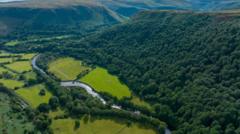
Working tirelessly across the rugged terrains of the British countryside, Dunn’s efforts have centered on restoring the delicate ecological balance required for the butterfly to thrive. His methodology involves meticulous land management, including the careful clearing of scrub and the restoration of traditional coppicing techniques that allow sunlight to reach the forest floor. By creating these ‘open’ woodland glades, Dunn and his team of volunteers have successfully facilitated the regrowth of common dog violets, effectively providing the necessary nursery grounds for the species to breed once more. This work is not merely about preserving a single insect; it represents a broader effort to restore biodiversity within British woodlands, which have faced significant degradation over the last century.

Despite the daunting nature of the task, the long-term project has yielded promising signs of recovery. Monitoring efforts over the past few years indicate that the butterfly is slowly reclaiming parts of its former territory, proving that targeted, grassroots conservation can yield tangible results against the backdrop of global biodiversity loss. Experts suggest that the success of this initiative serves as a blueprint for other conservation projects, highlighting the necessity of human intervention in habitats that have been altered by human activity. The resilience of the High Brown Fritillary, coupled with the unwavering commitment of individuals like Dunn, underscores the importance of local stewardship in protecting the UK’s natural heritage for future generations.

As climate change continues to pose an unpredictable threat to insect populations, the work performed by Dunn becomes increasingly vital. The ongoing struggle to protect this butterfly is a microcosm of the wider environmental challenges facing Europe, where habitat fragmentation remains the primary driver of extinction. By engaging the public and working closely with environmental agencies, the project seeks to ensure that the High Brown Fritillary does not become a relic of history. The journey remains arduous, but the steady increase in sightings serves as a beacon of hope for conservationists everywhere, proving that even the most fragile species can be brought back from the brink with enough patience, science, and dedication.

Share The News

Your comment

Your email address will not be published. Required fields are marked *

Save your email and other information.

Uploader's Information

Zahidul islam

**Zahidul Islam** is the Founder and Editor of **NewsHot24**, a digital news platform dedicated to delivering accurate, timely, and trustworthy news. He specializes in covering technology, artificial intelligence, business, world news, entertainment, sports, and trending topics. With a strong focus on fact-checking, editorial quality, and reader-first journalism, Zahidul creates well-researched, original content that keeps audiences informed. He is passionate about digital publishing, SEO, and building a reliable online news source that meets modern journalism standards. His mission is to provide credible, easy-to-understand reporting while maintaining transparency, accuracy, and editorial integrity for readers around the world.

A Lifetime Commitment: The Dedicated Mission to Save Britain’s Rarest Butterfly

Update Time : 09:23:59 pm, Friday, 10 July 2026

For over three decades, conservationist Paul Dunn has dedicated his life to a singular, challenging mission: reversing the precipitous decline of the High Brown Fritillary, one of the United Kingdom’s most endangered butterfly species. Once widespread across the British landscape, this vibrant, orange-and-black insect has seen its population plummet due to habitat loss, changing agricultural practices, and the fragmentation of the coppiced woodland environments it calls home. The High Brown Fritillary is a specialist species, relying heavily on specific conditions where violets grow in abundance—the primary food source for its larvae—and where the ground remains warm and sunlit.

Working tirelessly across the rugged terrains of the British countryside, Dunn’s efforts have centered on restoring the delicate ecological balance required for the butterfly to thrive. His methodology involves meticulous land management, including the careful clearing of scrub and the restoration of traditional coppicing techniques that allow sunlight to reach the forest floor. By creating these ‘open’ woodland glades, Dunn and his team of volunteers have successfully facilitated the regrowth of common dog violets, effectively providing the necessary nursery grounds for the species to breed once more. This work is not merely about preserving a single insect; it represents a broader effort to restore biodiversity within British woodlands, which have faced significant degradation over the last century.

Despite the daunting nature of the task, the long-term project has yielded promising signs of recovery. Monitoring efforts over the past few years indicate that the butterfly is slowly reclaiming parts of its former territory, proving that targeted, grassroots conservation can yield tangible results against the backdrop of global biodiversity loss. Experts suggest that the success of this initiative serves as a blueprint for other conservation projects, highlighting the necessity of human intervention in habitats that have been altered by human activity. The resilience of the High Brown Fritillary, coupled with the unwavering commitment of individuals like Dunn, underscores the importance of local stewardship in protecting the UK’s natural heritage for future generations.

As climate change continues to pose an unpredictable threat to insect populations, the work performed by Dunn becomes increasingly vital. The ongoing struggle to protect this butterfly is a microcosm of the wider environmental challenges facing Europe, where habitat fragmentation remains the primary driver of extinction. By engaging the public and working closely with environmental agencies, the project seeks to ensure that the High Brown Fritillary does not become a relic of history. The journey remains arduous, but the steady increase in sightings serves as a beacon of hope for conservationists everywhere, proving that even the most fragile species can be brought back from the brink with enough patience, science, and dedication.