


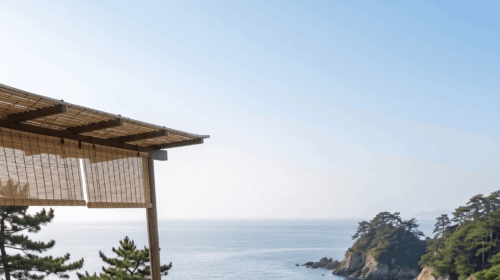







Asia’s famous cities attract millions every year. But if you look beyond the usual spots, you’ll find places that feel untouched, unique, and truly memorable. In 2026, travelers are searching for offbeat destinations that offer fresh experiences and fewer crowds. Whether you love wild nature, quiet villages, or ancient cultures, Asia has hidden gems waiting for you. This guide reveals some of the best lesser-known spots to visit, with real tips, comparisons, and answers to common questions.
Why Choose Offbeat Destinations In Asia?
Popular places can be exciting, but offbeat destinations give you something extra. You get to see authentic local life, avoid tourist traps, and often spend less money. Most importantly, you make memories that are unique to you. Exploring these places can also help local communities by supporting small businesses. In 2026, with travel trends moving toward more meaningful experiences, these spots are more valuable than ever.
The Best Offbeat Destinations In Asia For 2026
Asia is huge, so choosing just a few hidden gems isn’t easy. Here are ten offbeat destinations that stand out for their beauty, culture, and adventure.
1. Tawang, India
Hidden in the Himalayan mountains of Arunachal Pradesh, Tawang is a peaceful town famous for its monastery — the largest in India. The landscape is dotted with lakes, green valleys, and snow-capped peaks. In 2026, Tawang remains quiet compared to other hill stations. The best time to visit is from March to October, when the weather is mild.
Non-obvious tip: Tawang is close to the border with Bhutan. You can combine your visit with a trip to Bhutan’s eastern regions, which are also rarely visited.
2. Kyaiktiyo (golden Rock), Myanmar
While most tourists go to Yangon and Bagan, Kyaiktiyo offers a spiritual experience. The Golden Rock is a balancing boulder covered in gold leaf, perched on a mountain cliff. It draws Buddhist pilgrims but few international travelers. The hike up is challenging but rewarding, and the sunset views are stunning.
Practical insight: Women are not allowed to touch the rock, so plan your visit with respect to local customs.
3. Karimunjawa Islands, Indonesia
These small islands in the Java Sea are a paradise for snorkeling and diving. The Karimunjawa Islands have clear water, coral reefs, and quiet beaches. They’re easier to reach now, thanks to fast boats from Jepara. In 2026, the islands still offer a relaxed vibe, with simple guesthouses and seafood stalls.
Beginner mistake: Many travelers forget to book boat tickets early, especially during holidays, leading to delays.
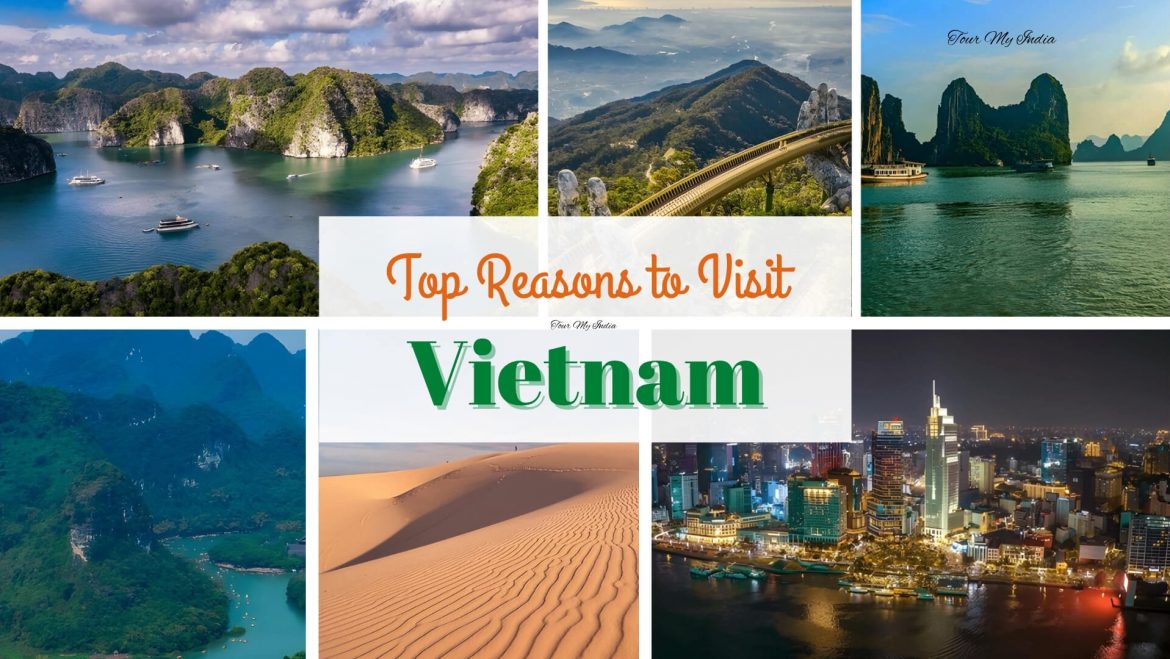
4. Phong Nha, Vietnam
Most visitors to Vietnam head to Halong Bay or Hanoi, but Phong Nha is a world-class cave destination. The caves here are some of the largest on Earth, including Son Doong Cave. The area is surrounded by jungle and rural villages, perfect for biking and hiking.
Data point: Only about 10% of foreign visitors to Vietnam explore Phong Nha, making it truly offbeat.
5. Gokarna, India
Located on the Karnataka coast, Gokarna is often called the “mini Goa.” It has beautiful beaches, a relaxed atmosphere, and a mix of pilgrims and backpackers. The town’s temples add a spiritual touch, and the surrounding hills are great for trekking.
Non-obvious insight: Gokarna’s beaches have fewer resorts than Goa, so you get more space and privacy.
6. Kiso Valley, Japan
The Kiso Valley offers a journey back in time. The old Nakasendo Trail connects historic post towns like Magome and Tsumago. The area is famous for its preserved wooden houses and mountain scenery. Few international tourists visit this valley, so you’ll often walk alone on the trail.
Practical tip: Visit in spring or autumn for the best weather and beautiful colors.
7. Si Phan Don (4000 Islands), Laos
Si Phan Don is a group of islands in the Mekong River. The pace is slow, life is simple, and most islands have no cars. You can cycle, kayak, or just relax in a hammock. Don Khon and Don Det are the most popular, but even then, crowds are rare.
Data point: Only 5% of Laos’ total tourists visit Si Phan Don, keeping it peaceful.
8. Sumba, Indonesia
Located east of Bali, Sumba is known for its traditional villages, wild beaches, and unique culture. You can see ancient tombs, horse races, and local festivals. Sumba is developing quickly, but it remains quiet and authentic compared to Bali.
Beginner mistake: Some travelers expect Bali-level infrastructure. Sumba is more rustic, so prepare for simple hotels and slow transport.
9. Altyn Emel National Park, Kazakhstan
In Central Asia, Altyn Emel is famous for its Singing Dunes and colorful mountains. Wildlife like wild horses and gazelles roam the park. Only a few tourists visit each year, so you get real solitude. The park is best explored by car, and entry fees are low.
Non-obvious tip: Guided tours help you see more wildlife, but self-drive gives flexibility.
10. Cat Ba Island, Vietnam
While Halong Bay is packed with boats, Cat Ba Island offers similar views with fewer crowds. The island has national parks, hidden coves, and hiking trails. In 2026, Cat Ba is becoming more eco-friendly, with new regulations to protect nature.
Practical insight: Stay overnight to enjoy the island’s quiet evenings and early morning hikes.
Comparison: Offbeat Vs. Popular Destinations
To help you decide, here’s a quick comparison of offbeat and popular destinations in Asia.
| Feature | Offbeat Destinations | Popular Destinations |
|---|---|---|
| Average Daily Visitors | 100–1000 | 10,000–100,000 |
| Local Interaction | High | Low |
| Cost (USD/day) | $20–$50 | $40–$150 |
| Unique Experiences | Many | Some |
| Infrastructure | Basic | Advanced |
How To Reach These Offbeat Destinations
Getting to these hidden gems can be more challenging. Here’s a comparison of typical transport options for three of the destinations.
| Destination | Main Access | Travel Time | Cost (USD) |
|---|---|---|---|
| Tawang, India | Road from Tezpur | 12–15 hours | 50–100 |
| Karimunjawa Islands | Boat from Jepara | 2–4 hours | 20–40 |
| Si Phan Don, Laos | Bus + Boat from Pakse | 5–7 hours | 15–30 |
What Makes These Destinations Special?
Many travelers overlook places like Altyn Emel or Kiso Valley because they are hard to reach or lack modern comforts. But these challenges are part of the adventure. You’ll find local festivals, old traditions, and untouched nature. For example, in Sumba, you may see the Pasola festival, where villagers ride horses in a ritual battle. In Kyaiktiyo, you’ll witness deep Buddhist rituals at sunrise.
When To Visit Offbeat Destinations
Timing matters. The best months are often outside the main tourist seasons. Here’s a guide for a few locations:
- Tawang: March–October for mild weather
- Karimunjawa: May–September for clear seas
- Phong Nha: February–August to avoid floods
- Sumba: April–July for dry days and festivals
Avoid holidays and weekends if you want more quiet.
Credit: www.tourmyindia.com
Tips For Traveling To Offbeat Destinations
Traveling off the beaten path is exciting, but it needs preparation. Here are some practical tips:
- Research visa requirements: Some regions need special permits or visas.
- Pack smart: Bring essentials, as shops may be limited.
- Learn basic local phrases: Even a few words can help.
- Respect customs: Dress modestly and ask before taking photos.
- Check transport schedules: They can change without notice.
- Travel insurance: Important for remote areas.
- Stay flexible: Plans may change due to weather or local events.
Beginner mistake: Not checking the local festival calendar. Sometimes, travel during festivals means full hotels and busy transport.
Supporting Local Communities
Choosing offbeat places can help local economies. Spend at small guesthouses, buy handmade goods, and eat at local cafes. In places like Cat Ba and Si Phan Don, your money directly supports families and conservation efforts.
Credit: www.lonelyplanet.com
Safety And Health
Remote spots may lack big hospitals. Bring basic medicine, check for recommended vaccines, and know emergency contacts. In areas like Gokarna and Altyn Emel, watch out for wildlife and avoid risky hikes during bad weather.
Planning Your Offbeat Adventure
Start with one or two destinations, then build your trip around them. You can combine nearby places (like Tawang and Bhutan, or Cat Ba and Phong Nha). Use online maps, travel forums, and official tourism sites for updated info. For deeper research, visit Wikipedia for background on offbeat travel.
Cost Comparison: Offbeat Vs. Mainstream Trips
To help you budget, here’s a simple breakdown:
| Type of Trip | Average Daily Spend (USD) | Accommodation Quality | Meal Options |
|---|---|---|---|
| Offbeat | 20–50 | Basic guesthouses | Local cafes, street food |
| Popular | 40–150 | Hotels, resorts | International restaurants |
The Real Value Of Offbeat Travel
Traveling to lesser-known places in Asia isn’t just about saving money or avoiding crowds. It’s about connection. You meet locals, discover new foods, and see nature few others ever witness. In 2026, as more people look for deeper travel, these destinations will shine.
Credit: www.cntraveller.com
Frequently Asked Questions
What Is An Offbeat Destination?
An offbeat destination is a place not visited by many tourists. It’s usually less crowded, more authentic, and offers unique experiences. These spots often lack big hotels or famous sights but have rich culture and natural beauty.
Are Offbeat Destinations Safe?
Most offbeat destinations in Asia are safe for travelers. However, they may have limited medical services and basic infrastructure. Always check local advice, carry emergency contacts, and avoid risky activities during bad weather.
How Can I Find Offbeat Destinations?
Start by researching travel blogs, forums, and local tourism websites. Ask locals for recommendations when you arrive. Maps and social media can also reveal hidden spots. For background, visit Wikipedia.
What Should I Pack For Offbeat Travel?
Bring essentials like medicine, snacks, local currency, and a basic first-aid kit. Pack clothes for changing weather and sturdy shoes. In remote areas, a portable charger and offline maps are useful.
How Do I Support Local Communities When Traveling?
Stay at small guesthouses, buy local crafts, eat at local cafes, and join community tours. Respect traditions and be polite. Your spending helps families and protects culture.
Choosing Asia’s offbeat destinations in 2026 is more than a trend — it’s a doorway to adventure, learning, and real connection. If you plan carefully and stay open to new experiences, your journey will be unforgettable.
Top 10 Green Destinations for the Conscious Traveler in 2026