










GenAI Automates Cyber Threats
GenAI Automates Cyber Threats In 2026, the cyber threat landscape is changing faster than ever. Classic scams like phishing still exist, but they are no longer the main danger. A new force is emerging: GenAI (Generative Artificial Intelligence). This technology is not only helping defenders; it is also empowering attackers. With GenAI, cybercriminals are automating complex attacks, creating smarter malware, and launching threats that are harder to detect and stop. For businesses, governments, and everyday internet users, the risks have become more unpredictable and advanced.
This article dives deep into how GenAI is reshaping cyber threats in 2026. We will explore how it works, real-world examples, the latest statistics, and practical advice for staying safe. As a calm expert, my goal is to help you understand these new threats in clear English, so you can protect yourself and your organization.
Let’s begin.
The Rise Of Genai In Cybersecurity
GenAI refers to AI systems that can generate new content—text, code, audio, images—based on patterns learned from vast data sets. While these tools have revolutionized areas like customer service and design, they also give cybercriminals powerful new capabilities. In 2026, GenAI is widely used to automate attacks, create convincing fake communications, and exploit vulnerabilities at scale.
Why Genai Is Different From Traditional Ai
Traditional AI focused on recognizing patterns, sorting data, and making predictions. GenAI goes further. It can:
- Write believable emails or messages in seconds
- Generate malware code that adapts to security systems
- Mimic real voices or faces in deepfakes
- Analyze massive data to find weak spots in networks
This leap means threats are not only faster, but also more personalized and difficult to recognize.
Key Genai Trends In Cybercrime
- Automated Social Engineering: GenAI generates emails, texts, and even voice calls that sound natural and target specific individuals. Attackers can scale these campaigns without human effort.
- AI-Powered Malware: Malware now learns from its environment, changes its behavior, and avoids detection. GenAI writes new code constantly, making traditional antivirus tools less effective.
- Deepfake Attacks: Fake videos or audio clips are used to trick employees, CEOs, or even government officials. These are increasingly realistic and hard to spot.
- Real-Time Attack Adaptation: GenAI monitors network defenses and shifts strategies instantly, making attacks more resilient.
- Automated Vulnerability Discovery: AI scans codebases and systems to find flaws faster than human hackers ever could.
Beyond Phishing: New Genai Threats
Phishing is still common, but GenAI has moved cybercrime far beyond fake emails. In 2026, attackers use GenAI for complex, multi-layered operations.
Ai-driven Business Email Compromise (bec)
Traditional BEC scams relied on simple tricks, like impersonating a boss. Now, GenAI can:
- Analyze a company’s communication style
- Write emails that match the tone and signature of real executives
- Launch attacks at scale, targeting hundreds of companies in minutes
For example, in early 2026, a Fortune 500 company lost $14 million in a single week due to GenAI-powered BEC. The attackers used AI to mimic the CEO’s writing style and requested urgent wire transfers from finance staff.
Adaptive Ransomware
Ransomware used to lock files and demand payment. Today, GenAI-driven ransomware:
- Learns which files matter most to victims
- Adjusts ransom amounts based on company size and insurance coverage
- Communicates in real time with victims, negotiating payment and threatening to release sensitive data
A 2026 report from Cybersecurity Ventures shows that GenAI-powered ransomware attacks have increased by 37% compared to 2026. These attacks are more successful because they adapt to each victim.
Deepfake Extortion
Attackers use GenAI to create deepfake videos or audio recordings. These are used for extortion, blackmail, or misinformation campaigns.
- In one case, a politician was targeted with a fake video, leading to public confusion and damage to reputation.
- Another example: Criminals created a deepfake audio clip of a CEO, demanding a secret payment from the finance department.
Deepfakes are now so realistic that even experts struggle to detect them without advanced tools.
Automated Exploit Kits
Exploit kits are bundles of tools that attack software flaws. GenAI automates their creation, making them more dangerous:
- AI scans code for bugs and writes new attack scripts
- Kits update themselves, staying ahead of security patches
This means even small-time criminals can launch sophisticated attacks without deep technical skills.
Real-world Data: Genai Threats By The Numbers
To better understand the impact, let’s look at recent statistics and trends. Here is a comparison of cyber threats from 2026 to 2026:
| Threat Type | 2026 Incidents | 2026 Incidents | Growth (%) |
|---|---|---|---|
| GenAI BEC | 9,000 | 22,500 | 150% |
| Adaptive Ransomware | 15,700 | 21,500 | 37% |
| Deepfake Extortion | 2,100 | 7,700 | 266% |
| Automated Exploit Kits | 7,800 | 16,900 | 116% |
These numbers show that GenAI threats are growing much faster than traditional attacks. Deepfake extortion, in particular, is now one of the most feared tactics.
Financial Impact
According to a 2026 global survey, the average cost of a GenAI-enabled cyber attack is $3.2 million, up from $2.1 million in 2026. These costs include ransom payments, lost business, and recovery expenses.
How Genai Attacks Work: Step-by-step
Understanding the process helps defend against it. Here is a typical GenAI-powered cyber attack:
- Reconnaissance: GenAI scans public data, social media, and company websites to gather information about targets.
- Content Generation: AI writes emails, scripts, or messages that mimic real people or brands.
- Automated Delivery: The attack is launched through email, messaging apps, or even phone calls, all managed by AI.
- Payload Adaptation: If the initial attack fails, GenAI changes tactics. It rewrites messages, adjusts malware, and tries again.
- Exfiltration and Extortion: Once inside, AI helps steal data, encrypt files, or create deepfakes for blackmail.
- Negotiation: AI bots interact with victims, negotiate ransom, or threaten to release stolen data.
Unlike old attacks, GenAI makes each step smarter and faster.
Comparing Genai Attacks To Traditional Methods
Let’s see how GenAI-powered attacks differ from older techniques:
| Feature | Traditional Attack | GenAI Attack |
|---|---|---|
| Speed | Manual, slow | Automated, rapid |
| Personalization | Generic or limited | Highly customized |
| Adaptation | Static, rarely changes | Dynamic, real-time adjustment |
| Scale | Low (individual targets) | High (hundreds or thousands) |
| Detection | Often easy with basic tools | Hard, requires advanced AI detection |
This comparison shows why defenders must rethink their strategies.
Not-so-obvious Insights: What Most People Miss
Many believe GenAI attacks are always about big companies or government. In reality, small businesses and individuals are often targeted because they have weaker defenses. Here are two insights beginners often miss:
- GenAI lowers the skill barrier for attackers. Even people with little technical knowledge can launch sophisticated attacks using easy-to-use AI tools.
- Multi-language threats are rising. GenAI can write phishing emails or scam messages in any language, making attacks harder to block with language-based filters.

Credit: www.cognyte.com
Genai Defense: What Works Now
Protecting against GenAI threats requires new thinking. Old methods—like basic antivirus or spam filters—are not enough.
Ai Vs. Ai: Using Genai For Defense
Organizations are now fighting fire with fire. They use GenAI to:
- Detect unusual patterns in network traffic
- Analyze emails for signs of deepfake or AI-generated content
- Monitor social media for fake accounts or misinformation
However, defensive GenAI must be trained carefully to avoid mistakes and false alarms.
Human-ai Collaboration
AI is powerful, but humans are still needed. The best defense combines:
- AI tools that scan for threats
- Human experts who review suspicious cases
- Regular training for staff to spot new scams
This mix helps catch attacks that slip past automated systems.
Practical Steps For Businesses
To stay safe in 2026, companies should:
- Upgrade Security Tools: Use AI-driven security products that can spot GenAI attacks.
- Train Employees: Teach staff about deepfakes, AI-generated emails, and new scam tactics.
- Monitor for Unusual Activity: Check for strange login attempts, sudden money transfers, or odd emails.
- Backup Data Regularly: Ransomware can strike anytime. Keep backups offline and test them often.
- Prepare Incident Response Plans: Have a clear plan for what to do if attacked, including who to contact and how to recover.
Tips For Individuals
GenAI threats are not just for businesses. Everyone should:
- Be cautious with emails or messages, even if they look real
- Use strong passwords and change them often
- Enable two-factor authentication on accounts
- Check for signs of deepfake videos or audio (strange movements, odd voices)
- Keep software updated to fix vulnerabilities
Case Study: Genai Attack On A Small Business
In 2026, a small marketing firm in Texas was hit by a GenAI-powered ransomware attack. The attackers sent a fake email from the CEO, asking staff to download an urgent document. The document contained adaptive ransomware that encrypted files and demanded payment.
The attackers used GenAI to:
- Research staff names and roles
- Write messages in the CEO’s style
- Adjust ransom demands based on the company’s revenue
The business lost access to files for two weeks. After paying the ransom, they upgraded their security and began using GenAI-based defense tools.
Genai In Cybersecurity: Positive Uses
GenAI isn’t only a threat. It can also help defenders:
- Predict new attack patterns before they happen
- Automate threat response to block attacks in real time
- Analyze huge amounts of data to spot weak points
For example, banks use GenAI to scan millions of transactions for fraud. Hospitals use it to protect patient records. With the right controls, GenAI can make networks safer.
The Regulatory Response: Laws And Policies
Governments worldwide are waking up to GenAI threats. In 2026:
- The US passed new rules requiring companies to report GenAI-enabled attacks within 72 hours.
- Europe launched a task force to detect deepfakes in political campaigns.
- Asia-Pacific countries set up AI security labs to share threat intelligence.
These efforts help, but policy often lags behind technology. Companies must stay alert and not rely only on regulations.
The Future: What’s Next For Genai Threats?
Cybercriminals are creative. As GenAI improves, attacks will become:
- More targeted: AI will focus on high-value individuals (VIPs, executives).
- More invisible: Attacks will hide within normal traffic, making detection harder.
- More autonomous: AI bots will launch, adapt, and manage attacks without human input.
Defenders will need smarter tools, better training, and constant vigilance. The battle is ongoing.
Data Table: Genai Defense Tools In 2026
Here is a comparison of popular GenAI-powered security tools:
| Tool Name | Main Feature | Detection Rate (%) | Price (USD/year) |
|---|---|---|---|
| AI Sentinel | Deepfake detection | 89 | 7,200 |
| GenGuard | Adaptive malware defense | 92 | 12,000 |
| CyberMind | Automated vulnerability scanning | 85 | 6,500 |
Selecting the right tool depends on your needs and budget. Detection rates are improving, but no tool is perfect.
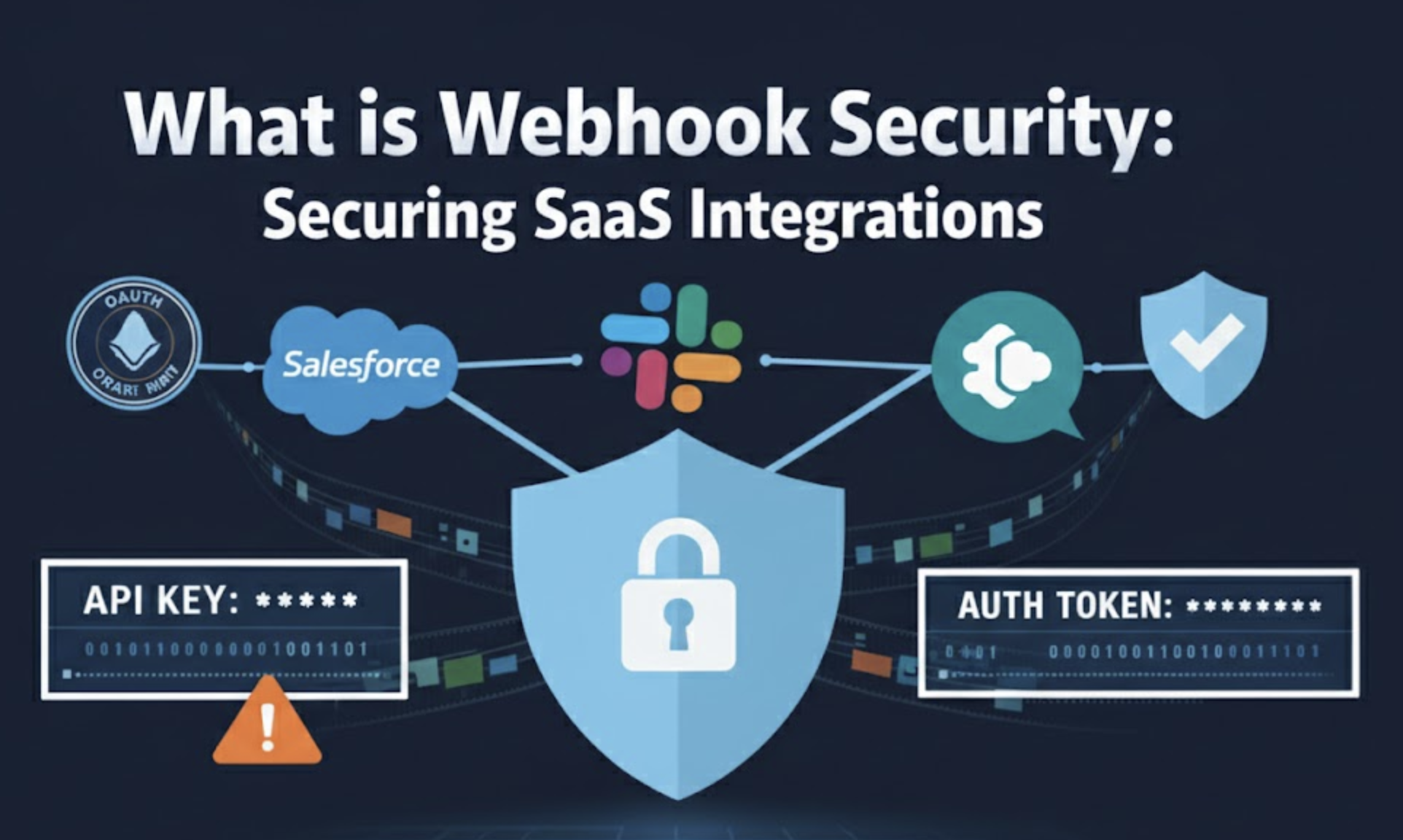
Credit: www.obsidiansecurity.com
Practical Advisor Guidance: Avoiding Genai Mistakes
Many people make common errors when dealing with GenAI threats:
- Underestimating AI-generated content: Don’t assume you can spot fake emails or videos easily. AI can mimic real people with surprising accuracy.
- Ignoring multi-language attacks: Even if you speak only English, GenAI can target you in other languages, confusing filters.
- Relying on old security tools: Basic antivirus programs may miss AI-driven malware. Upgrade to tools designed for GenAI threats.
- Skipping employee training: Staff are the first line of defense. Regular, updated training is critical.
- Delaying incident response planning: Have a plan ready before an attack happens. Delays can cost millions.
Staying Ahead: Building Cyber Resilience
Cyber resilience means preparing for attacks, surviving them, and recovering quickly. To stay ahead:
- Invest in AI-driven security: Make sure your defenses can handle GenAI-powered threats.
- Update policies and plans regularly: The threat landscape changes fast. Review your strategies every quarter.
- Collaborate with peers: Share threat intelligence with other organizations. The more you know, the safer you are.
- Test your defenses: Run simulated attacks to see how your team responds.
Expert Predictions For 2026 And Beyond
Cybersecurity experts agree: GenAI will keep evolving. Here are some predictions:
- Attack automation will increase, making threats more frequent and harder to stop.
- Sophisticated deepfakes will become a tool for political manipulation, corporate sabotage, and personal extortion.
- AI-powered defenses will get better, but so will attacker tools. The arms race will continue.
- Regulatory frameworks will catch up slowly, but global cooperation will improve.
- Human judgment will remain essential, especially for spotting subtle scams and making quick decisions.
Frequently Asked Questions
What Is Genai, And How Does It Impact Cybersecurity?
GenAI stands for Generative Artificial Intelligence. It creates new content—such as text, code, images, or audio—based on learned data. In cybersecurity, GenAI allows attackers to automate complex threats, personalize scams, and create adaptive malware. This makes cyber attacks faster, smarter, and harder to detect.
How Can I Recognize A Genai-powered Attack?
Signs of a GenAI attack include highly personalized emails, realistic deepfake videos or audio, and malware that adapts to your defenses. If you receive messages that seem too accurate or unusual, be cautious. Use AI-powered security tools and stay updated on the latest threat tactics.
Are Small Businesses At Risk From Genai Threats?
Yes. Small businesses are often targeted because their defenses are weaker. GenAI lowers the skill barrier for attackers, so even non-experts can launch sophisticated campaigns. Training staff and upgrading security are essential steps for protection.
What Is The Best Defense Against Genai Cyber Threats?
The best defense combines AI-driven security tools, human expertise, regular training, and strong policies. Keep software updated, backup data, and have a clear incident response plan. Don’t rely only on old security methods.
Where Can I Learn More About Genai And Cyber Threats?
For deep, up-to-date information, visit CISA.gov. This site offers guides, news, and resources for understanding GenAI and cybersecurity.
The era of GenAI-powered threats has arrived. Staying informed, upgrading defenses, and training people are the best ways to protect yourself in 2026 and beyond. The risks are real, but with smart action, you can stay ahead.

Credit: www.fortinet.com
The Rise of AI-Driven Autonomous Cyberattacks: Defend Your Business