










Semiconductor Stocks 2026: How To Navigate The New Volatility Regime
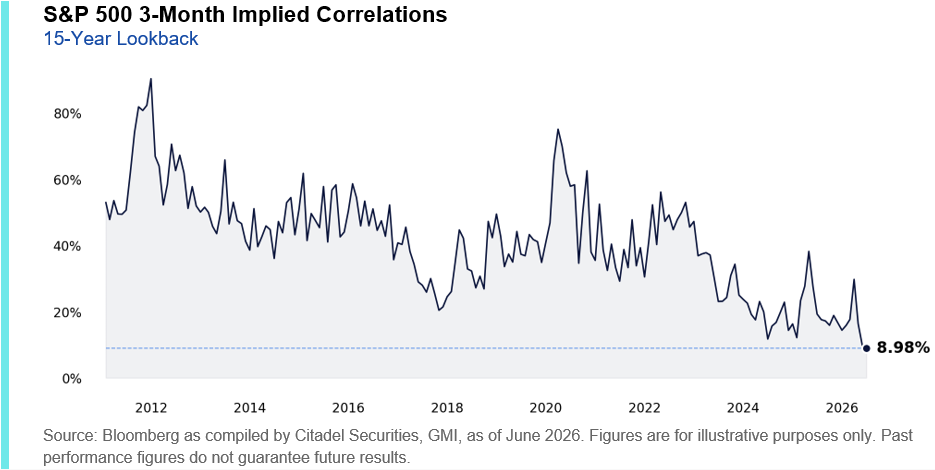
The semiconductor industry has always been dynamic, but as we approach 2026, the landscape is shifting faster than ever. Investors who remember the steady gains of the early 2020s are now seeing sharp price swings, sudden sector rotations, and news-driven rallies. The world’s appetite for chips is growing, but so are the risks and uncertainties. If you’re looking to invest in semiconductor stocks in 2026, understanding this new volatility regime is essential for protecting your capital and finding real opportunities.
This guide will help you decode the forces driving the sector, highlight new risks, and show you practical strategies for staying ahead. Whether you’re a seasoned investor or just starting, you’ll learn how to navigate this next chapter for chipmakers with confidence.
Why Semiconductor Stocks Are More Volatile In 2026
The volatility in the semiconductor sector is not random. In 2026, several forces are creating a perfect storm for price swings.
1. Supply Chain Shocks Aren’t Over
While the pandemic-era shortages faded, new disruptions have emerged. Geopolitical tensions, especially between the US and China, continue to affect the movement of raw materials and finished chips. For example, rare earth export controls and bans on advanced chip sales can cause sudden price changes in companies dependent on these resources. Even a single policy announcement can move the market in minutes.
2. The Ai Boom Is A Double-edged Sword
Artificial intelligence is driving massive demand for advanced chips. Leading companies like NVIDIA, AMD, and TSMC are seeing strong orders from cloud providers and automotive firms. However, investor expectations are sky-high, making stock prices sensitive to every earnings report or guidance change. When a company beats estimates, the stock can jump. But even a small miss leads to steep drops, often larger than in other tech sectors.
3. Rising Interest Rates And Inflation
Central banks, especially the US Federal Reserve, have kept rates higher to combat inflation. This makes borrowing costlier for semiconductor manufacturers who need to build expensive fabs (factories). It also reduces the present value of future earnings, which hits high-growth tech stocks the hardest.
4. New Competition And Innovation Cycles
Emerging players from South Korea, Taiwan, and China are entering the market with government support. Established firms are forced to invest more in R&D to stay ahead, leading to unpredictable spending and sudden strategic shifts. The race for the next process node (e.g., 2nm chips) creates both huge opportunities and risks.
5. Regulatory Changes
Governments are passing new rules on data security, export controls, and subsidies. For instance, the US CHIPS Act and the European Chips Act have introduced billions in incentives but also new compliance requirements. These can quickly change the profit outlook for certain companies.
Non-obvious insight: Many new investors don’t realize how rapidly a single political event, such as a tariff or export ban, can change valuations overnight. Unlike more stable sectors, semiconductors are deeply tied to government policies.
Key Trends Shaping Semiconductor Stocks Through 2026
To invest wisely, you need to look beyond short-term headlines. Here are the most important trends likely to drive the semiconductor market over the next few years.
Ai And Machine Learning Dominate Demand
The demand for chips that power AI and machine learning is exploding. Data centers, autonomous vehicles, and smart devices all need specialized processors. The companies that lead in GPU and AI accelerator technology, like NVIDIA and AMD, are seeing some of the fastest growth.
But this focus on AI chips can also create bottlenecks. If one company controls a key technology, supply shortages can push prices higher—or send them crashing if new rivals appear.
The Shift To Edge Computing
Not all computing happens in the cloud. Devices like smartphones, smart speakers, and industrial robots are processing more data locally. This shift to edge computing means demand for smaller, energy-efficient chips will rise, benefiting firms like Qualcomm and NXP.
Onshoring And Regionalization
Countries are worried about depending too much on overseas fabs, especially in Taiwan or China. The US and EU are spending billions to build domestic capacity. This trend is known as onshoring or regionalization. It creates opportunities for local suppliers but also adds cost and complexity.
Green Chips And Energy Efficiency
As data centers use more power, there’s growing demand for chips that are energy efficient. Investors are starting to value companies with strong “green” credentials, such as those producing chips for renewable energy or electric vehicles.
Consolidation And M&a
Big companies are buying smaller ones to fill technology gaps or enter new markets. Mergers and acquisitions can create windfall gains for shareholders but also raise antitrust risks.
Non-obvious insight: “Fabless” companies (who design chips but outsource manufacturing) may be less exposed to supply chain risks than “integrated device manufacturers” (who own their own fabs), especially if trade tensions escalate.
Top Semiconductor Companies To Watch In 2026
Here are some of the most important players in the semiconductor stocks space, along with their strengths and vulnerabilities.
| Company | Main Focus | Strengths | Risks |
|---|---|---|---|
| NVIDIA | GPUs, AI Chips | AI leadership, deep partnerships | High valuation, supply chain risks |
| TSMC | Foundry (chip manufacturing) | Process leadership, diverse customers | Geopolitical exposure, capex intensity |
| AMD | CPUs, GPUs, AI | Competitive pricing, innovation | Margin pressure, tough rivals |
| Intel | CPUs, Foundry | Scale, US onshoring support | Execution issues, lagging process |
| ASML | Chipmaking equipment | EUV monopoly, high margins | Export controls, long R&D cycles |
Other notable names include Qualcomm (wireless chips), Samsung Electronics (memory, foundry), Micron (memory), and Texas Instruments (analog).
Tip: Don’t just chase the biggest names. Sometimes, smaller companies specializing in niche markets (like automotive or IoT) can deliver better risk-adjusted returns.
How To Evaluate Semiconductor Stocks In A Volatile Market
Choosing the right semiconductor stocks in 2026 requires more than looking at past performance. Here’s what to focus on:
1. Revenue Mix And End Markets
Check which industries the company sells to. Firms with diverse customers (e. g. , data center, automotive, consumer electronics) are less vulnerable to a downturn in any one area.
2. R&d And Innovation Pipeline
Look for companies that consistently invest in research and have a track record of launching new products on time. Innovation is the lifeblood of this sector.
3. Balance Sheet Strength
In a volatile market, cash is king. Companies with strong balance sheets can weather downturns, fund R&D, and make strategic acquisitions.
4. Geographic Exposure
Understand where the company operates and sells. Heavy exposure to risky regions (like Taiwan or China) can be a red flag during geopolitical tensions.
5. Valuation Metrics
Classic metrics like P/E ratio, EV/EBITDA, and price-to-sales are still useful, but be careful. High growth can justify a premium, but only if it’s sustainable.
6. Supply Chain Resilience
How well can the company handle disruptions? Firms with multiple suppliers and flexible manufacturing arrangements are safer bets.
7. Management Quality
A strong, experienced management team is essential. Look for leaders with a record of navigating past crises.
Non-obvious insight: Investors often overlook the importance of a company’s software ecosystem (drivers, developer tools, support). A strong ecosystem can lock in customers and create recurring revenue streams.
Practical Strategies For Investing In Semiconductor Stocks
Investing in a volatile sector requires a clear plan. Here’s how to approach semiconductor stocks in 2026:
Diversify Within The Sector
Don’t put all your money into one company or one niche (like only AI chips or only memory). Mix leaders, suppliers, and smaller innovators to reduce risk.
Use Dollar-cost Averaging
Spread your investments over time instead of buying all at once. This approach can smooth out the impact of price swings and lower your average cost.
Watch Earnings And Guidance Closely
Semiconductor stocks often move sharply after quarterly earnings. Pay attention not just to results, but to management’s outlook on demand, margins, and new products.
Set Realistic Expectations
Don’t expect every chipmaker to be the next NVIDIA. Some stocks may stay flat or fall even when the sector is strong. Focus on long-term trends, not short-term hype.
Hedge With Related Sectors
If you’re worried about volatility, you can balance your portfolio with companies in related but less risky sectors, such as equipment suppliers (e. g. , ASML) or software providers.
Monitor Macro And Geopolitical Events
Stay alert to news on trade wars, new regulations, or major policy changes. Semiconductor stocks are especially sensitive to these factors.
Consider Thematic Etfs
If picking stocks feels too risky, semiconductor ETFs (exchange-traded funds) offer broad exposure with lower individual risk. Examples include SOXX (iShares Semiconductor ETF) and SMH (VanEck Semiconductor ETF).
Non-obvious insight: Many investors ignore the impact of memory pricing cycles (DRAM, NAND) on overall returns. These are highly cyclical and can cause outsized moves in stocks like Micron or Samsung.
Recent News Impacting Semiconductor Stocks
Staying informed is crucial. Here are some recent developments shaping the sector as of 2026:
- The US government expanded export controls on advanced chips to China, affecting NVIDIA and AMD’s high-end product lines.
- TSMC announced a delay in its Arizona fab due to supply and labor shortages, raising concerns about US onshoring efforts.
- Samsung and SK Hynix are investing heavily in next-gen memory technology, betting on AI-driven demand for faster, more efficient chips.
- The EU approved new grants for domestic chip manufacturing, boosting companies like ASML and Infineon.
- Intel’s turnaround plan is showing mixed results, with some wins in foundry contracts but ongoing struggles with advanced process nodes.
These headlines show that both opportunities and risks are rising fast. Missing a key news item can mean getting blindsided by a sudden price drop or missing a rally.
Credit: www.citadelsecurities.com
Comparing Key Semiconductor Segments
It’s important to know which parts of the sector are most (and least) volatile.
| Segment | Major Players | Growth Potential | Volatility Level |
|---|---|---|---|
| AI/GPUs | NVIDIA, AMD | Very High | High |
| Foundries | TSMC, Samsung | High | Medium |
| Memory | Micron, SK Hynix | Moderate | Very High (Cyclical) |
| Analog | Texas Instruments | Steady | Low |
| Chipmaking Equipment | ASML, Applied Materials | High | Medium |
Tip: If you want to reduce volatility, consider analog chipmakers or equipment suppliers rather than memory or AI chip specialists.
Common Mistakes To Avoid When Investing In Semiconductor Stocks
Many new investors lose money by making the same errors. Here’s what to watch out for:
- Chasing Hype: Buying after a stock has already doubled on AI news is risky. Wait for corrections or look for value in less-hyped segments.
- Ignoring Cycles: Memory and PC-related chips are highly cyclical. Don’t assume last year’s winners will keep outperforming.
- Overlooking Risks: Focusing only on growth and ignoring geopolitical or supply chain risks can lead to painful losses.
- Neglecting Valuation: High growth doesn’t justify any price. Always check if the stock is overvalued compared to peers.
- Forgetting Diversification: Betting too much on one company or region (like Taiwan) can backfire quickly.
- Not Watching News: Missing a regulatory change or major customer loss can mean you’re the last to react.
Practical advice: Use stop-loss orders to protect your gains and limit losses. This is especially important in a volatile sector.

Credit: www.hiltoncapitalmanagement.com
Case Study: How Volatility Hit Semiconductor Stocks (2026–2026)
Understanding the past helps you prepare for the future. Here’s a real example of how volatility played out:
In late 2026, NVIDIA’s stock surged after a strong earnings report, driven by AI chip demand. Within three months, it jumped over 70%. But in mid-2026, the US announced new export bans to China, and NVIDIA’s high-end chip shipments were halted.
The stock fell nearly 25% in two weeks. AMD and other rivals also dropped, despite not being directly affected.
Meanwhile, TSMC’s shares were hit by worries about Taiwan’s political stability, even though its earnings stayed strong. Investors who diversified across regions and segments saw smaller losses.
Lesson: Even world-leading companies are not immune to sudden shocks. Staying diversified and watching the news can limit your downside.
How To Build A Semiconductor Stock Portfolio For 2026
Here’s a practical approach for constructing a resilient semiconductor stock portfolio in the current environment:
1. Mix Leaders And Niche Innovators
Hold a blend of big names (NVIDIA, TSMC, ASML) for stability and smaller companies targeting fast-growing niches (like automotive chips or AI accelerators).
2. Balance Growth And Safety
Combine high-growth stocks (AI, foundry) with more stable areas (analog, equipment suppliers). This reduces overall risk.
3. Include International Exposure
Don’t bet everything on US companies. Add exposure to Europe, Taiwan, South Korea, and Japan for better diversification.
4. Limit Position Sizes
Keep individual stock positions under 10% of your total portfolio. This prevents one bad news event from wiping out your gains.
5. Review Quarterly
The semiconductor sector changes fast. Rebalance your portfolio every quarter to lock in profits and cut laggards.
Practical tip: If you’re unsure about individual stocks, use a semiconductor-focused ETF for broad exposure.
Risk Factors To Watch In 2026
No investment is risk-free, but these are the most important risk factors for semiconductor stocks in 2026:
- Geopolitical Tensions: Especially US-China relations and Taiwan’s security.
- Supply Chain Disruptions: New shortages or shipping delays.
- Regulatory Changes: Export bans, new subsidies, or antitrust actions.
- Interest Rate Hikes: Higher rates can hurt valuations and capital spending.
- Technology Shifts: Sudden moves to new process nodes or architectures.
- Cyclical Demand: Especially in memory and consumer electronics.
Always keep an eye on the news and company filings for early warning signs.
The Role Of Esg In Semiconductor Investing
Environmental, Social, and Governance (ESG) factors are becoming more important in the semiconductor industry. Investors and regulators are pushing companies to reduce emissions, use cleaner materials, and improve labor practices.
Companies with strong ESG scores may get better access to capital and attract long-term investors. For example, TSMC and Intel are investing in greener manufacturing processes and better worker safety.
Tip: Check ESG ratings from independent agencies before buying. Poor ESG scores can lead to fines, lawsuits, or reputational damage.
Outlook: Will Volatility Last Beyond 2026?
Many investors wonder if this new volatility is just a phase. The reality is, high volatility is likely to persist, for several reasons:
- AI and tech cycles are getting shorter, making earnings less predictable.
- Geopolitical risks are not going away soon.
- Global demand is growing, but so are costs and complexity.
That said, volatility also means opportunity. Investors willing to do the homework and stay disciplined can find winners even in a choppy market.
Useful Resources For Staying Informed
Staying ahead in the semiconductor sector means having access to timely, accurate information. Here are some valuable resources:
- Company investor relations pages: Check quarterly reports and presentations.
- Industry news sites: Such as Semiconductor Engineering, EE Times, and AnandTech.
- Financial media: Bloomberg, Reuters, and the Financial Times.
- Official statistics: World Semiconductor Trade Statistics (WSTS) is useful for data trends.
- For an in-depth look at the global chip market and up-to-date policy changes, visit the Semiconductor Industry Association.
Tip: Set up alerts for major companies and keywords like “CHIPS Act” or “export controls” to react quickly to news.

Credit: www.ft.com
Frequently Asked Questions
What Makes Semiconductor Stocks So Volatile In 2026?
The main drivers are geopolitical risks, rapid shifts in technology (especially AI), and unpredictable supply chains. Even small policy changes or news events can move stocks sharply. High investor expectations for growth add extra pressure to every earnings report.
Are Semiconductor Stocks A Good Long-term Investment?
Yes, if you’re selective and patient. The world will need more chips for AI, cars, and smart devices. But you must manage risk, diversify, and avoid buying at peak hype. Focus on companies with strong innovation and stable customer bases.
How Can I Reduce Risk When Investing In Semiconductor Stocks?
Diversify across regions and market segments, use stop-loss orders, and consider ETFs if you’re unsure. Monitor news closely and rebalance your portfolio regularly. Avoid betting too heavily on one company or technology.
Which Companies Are Best Positioned For Ai Growth?
NVIDIA and AMD lead in AI chips, while TSMC is crucial as a manufacturer. ASML supplies the advanced equipment needed for cutting-edge chips. Smaller firms that specialize in AI accelerators or edge computing may also benefit.
Should I Worry About Us-china Tensions Affecting My Investments?
Yes, because many chip stocks are directly exposed to these risks. Export bans, tariffs, or military tensions can hurt profits or supply chains overnight. Monitor news, diversify globally, and consider exposure limits to high-risk regions.
The semiconductor sector in 2026 offers both challenge and opportunity. By understanding the new volatility regime and following disciplined strategies, you can protect your capital and profit from the next wave of innovation. Stay alert, stay flexible, and always do your own homework before making decisions.
Why Investors Are Rotating Out of Mega-Cap Tech Stocks in 2026