Time 1:45 pm, Tuesday, 14 July 2026

Chipotle Set to Enter Mexico: Can the US Burrito Giant Overcome the ‘Origin Country’ Fast-Food Curse?

Zahidul islam
  • Update Time : 04:56:55 am, Tuesday, 14 July 2026
  • / 6 Times Read

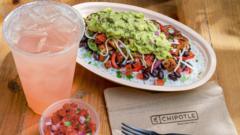
Chipotle Mexican Grill is embarking on a highly anticipated and risky international expansion by opening its very first location in Mexico. The California-born fast-casual giant, famous for its assembly-line burritos, tacos, and bowls, is stepping directly into the birthplace of the cuisine it has commercialized globally. This move represents a bold strategic shift for the brand, which has historically focused its international footprint on markets like Canada, the United Kingdom, France, and Germany.

Entering a culinary home market is notoriously difficult for Americanized foreign adaptations. Historically, US fast-food chains offering localized spins on traditional cuisines have faced severe backlash or indifference when attempting to sell those products back to the local populations. Taco Bell’s infamous failures in Mexico stand as a prime cautionary tale. The PepsiCo-owned brand attempted to enter Mexico twice—once in the 1990s and again in 2007—only to retreat after locals rejected its highly processed, Americanized versions of tacos, which were viewed as an insult to the country’s rich culinary heritage.

This phenomenon is not unique to Mexican cuisine. American brands have repeatedly struggled when exporting adapted culinary traditions back to their roots. For instance, Domino’s Pizza famously closed its last remaining stores in Italy in 2022 after failing to win over local consumers who preferred traditional, authentic Italian pizza. Similarly, Starbucks faced a steep uphill battle in Italy, requiring a highly customized, premium approach to gain even a modest foothold in a country with a deeply entrenched espresso culture.

Unlike Taco Bell, Chipotle positions itself as a higher-end, “fast-casual” establishment rather than a traditional fast-food joint. The company emphasizes high-quality, responsibly sourced ingredients, fresh preparation, and customizable options. Industry analysts suggest that Chipotle may target affluent urban areas and tourist hubs in Mexico, where consumers are more receptive to American brands and have higher disposable incomes. By marketing itself as a premium, convenient dining option rather than an authentic Mexican street food substitute, Chipotle hopes to carve out a distinct niche.

The success of this venture could redefine Chipotle’s long-term international expansion strategy. If successful, it could pave the way for further expansion across Latin America. However, the brand will have to navigate intense competition not only from local taquerías—which offer authentic, high-quality food at a fraction of Chipotle’s expected price point—but also from an established local dining culture that values traditional preparation. Whether Chipotle can break the “origin country curse” remains to be seen, but its journey will be closely watched by retail and fast-food industry experts worldwide.

Share The News

Your comment

Your email address will not be published. Required fields are marked *

Save your email and other information.

Uploader's Information

Zahidul islam

**Zahidul Islam** is the Founder and Editor of **NewsHot24**, a digital news platform dedicated to delivering accurate, timely, and trustworthy news. He specializes in covering technology, artificial intelligence, business, world news, entertainment, sports, and trending topics. With a strong focus on fact-checking, editorial quality, and reader-first journalism, Zahidul creates well-researched, original content that keeps audiences informed. He is passionate about digital publishing, SEO, and building a reliable online news source that meets modern journalism standards. His mission is to provide credible, easy-to-understand reporting while maintaining transparency, accuracy, and editorial integrity for readers around the world.

Chipotle Set to Enter Mexico: Can the US Burrito Giant Overcome the ‘Origin Country’ Fast-Food Curse?

Update Time : 04:56:55 am, Tuesday, 14 July 2026

Chipotle Mexican Grill is embarking on a highly anticipated and risky international expansion by opening its very first location in Mexico. The California-born fast-casual giant, famous for its assembly-line burritos, tacos, and bowls, is stepping directly into the birthplace of the cuisine it has commercialized globally. This move represents a bold strategic shift for the brand, which has historically focused its international footprint on markets like Canada, the United Kingdom, France, and Germany.

Entering a culinary home market is notoriously difficult for Americanized foreign adaptations. Historically, US fast-food chains offering localized spins on traditional cuisines have faced severe backlash or indifference when attempting to sell those products back to the local populations. Taco Bell’s infamous failures in Mexico stand as a prime cautionary tale. The PepsiCo-owned brand attempted to enter Mexico twice—once in the 1990s and again in 2007—only to retreat after locals rejected its highly processed, Americanized versions of tacos, which were viewed as an insult to the country’s rich culinary heritage.

This phenomenon is not unique to Mexican cuisine. American brands have repeatedly struggled when exporting adapted culinary traditions back to their roots. For instance, Domino’s Pizza famously closed its last remaining stores in Italy in 2022 after failing to win over local consumers who preferred traditional, authentic Italian pizza. Similarly, Starbucks faced a steep uphill battle in Italy, requiring a highly customized, premium approach to gain even a modest foothold in a country with a deeply entrenched espresso culture.

Unlike Taco Bell, Chipotle positions itself as a higher-end, “fast-casual” establishment rather than a traditional fast-food joint. The company emphasizes high-quality, responsibly sourced ingredients, fresh preparation, and customizable options. Industry analysts suggest that Chipotle may target affluent urban areas and tourist hubs in Mexico, where consumers are more receptive to American brands and have higher disposable incomes. By marketing itself as a premium, convenient dining option rather than an authentic Mexican street food substitute, Chipotle hopes to carve out a distinct niche.

The success of this venture could redefine Chipotle’s long-term international expansion strategy. If successful, it could pave the way for further expansion across Latin America. However, the brand will have to navigate intense competition not only from local taquerías—which offer authentic, high-quality food at a fraction of Chipotle’s expected price point—but also from an established local dining culture that values traditional preparation. Whether Chipotle can break the “origin country curse” remains to be seen, but its journey will be closely watched by retail and fast-food industry experts worldwide.