The Epstein Files Revelation: How Howard Lutnick’s Ties Emerged Through Investigative Scrutiny

- Update Time : 05:15:17 am, Tuesday, 14 July 2026
- / 4 Times Read
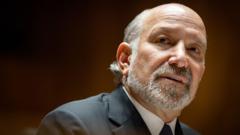
The political and corporate landscape surrounding U.S. political appointments has faced renewed scrutiny following the emergence of documents linking Howard Lutnick, the CEO of Cantor Fitzgerald and current U.S. Secretary of Commerce, to the late financier and convicted sex offender Jeffrey Epstein. The disclosure, which surfaced through the diligent efforts of British whistleblower Simon Andriesz, has ignited a wider conversation regarding the transparency of high-level government officials and their past professional associations.
Andriesz’s discovery centers on publicly released court records related to the Epstein case. By meticulously reviewing thousands of pages of documents that were unsealed following legal mandates, Andriesz identified references to Lutnick that had previously escaped widespread public attention. These records highlight the intersections between elite financial circles and the controversial network surrounding Epstein, raising significant questions about the nature of these connections and their relevance to public service.
Howard Lutnick, a prominent figure in the financial services sector, has long been a fixture in Wall Street circles. His firm, Cantor Fitzgerald, became a symbol of resilience following the September 11 attacks, a narrative that has shaped much of his public image. However, the revelation of his inclusion in the Epstein-related files has forced a re-examination of his professional history. Critics and political observers argue that such connections, regardless of their specific nature, necessitate a higher level of vetting for individuals serving in Cabinet-level positions within the United States government. The Department of Commerce, which plays a pivotal role in shaping trade policy and economic strategy, is particularly sensitive to concerns regarding the integrity and background of its leadership.
For his part, the discovery has placed Lutnick in a defensive position, as journalists and opposition figures press for detailed clarifications regarding the extent of his interactions with Epstein. While Lutnick has previously acknowledged operating within the same high-stakes financial environments as many other global elites, the specific details contained within the unsealed documents provide a concrete focal point for investigators. This incident serves as a broader reminder of the long-reaching impact of the Epstein scandal, which continues to permeate global politics and finance years after his death. The work of whistleblowers like Andriesz underscores the vital role of open-source intelligence and public record scrutiny in holding powerful figures accountable. As the administration navigates the fallout of this disclosure, the incident highlights the challenges of reconciling past private-sector associations with the rigorous ethical standards expected of modern American public officials.
Share The News
Uploader's Information