If you are watching the stock market in 2026, one thing is clear: inflation is shaping every move. Investors, companies, and even governments are reacting to rising prices in ways that affect stocks every day. Understanding this link is not just for experts—it matters for anyone with money in the market, from beginners to seasoned traders.
Inflation is not just a number. It’s the cost of bread rising, the price of gas changing, and the dollar in your wallet losing some power. In 2026, inflation rates have become a global talking point. Every news channel, finance blog, and analyst is asking: what does this mean for stocks? The answer is complex, but by breaking it down, you can see how inflation acts like a hidden driver behind market trends.
Let’s look at how inflation moves stock prices, why it matters, and what you can do as an investor in 2026. We’ll explore real data, clear examples, and practical insights to help you understand and navigate this new world.
What Is Inflation And Why Is It Rising In 2026?
Inflation means the general increase in prices over time. When inflation is high, your money buys less. In 2026, several factors have pushed inflation up:
Ongoing supply chain disruptions from past global events, especially after the COVID-19 pandemic and new trade conflicts
High energy costs due to geopolitical tensions, like those in the Middle East and Eastern Europe
Strong consumer demand after years of slow growth, with people spending more as economies reopen
Central banks raising interest rates to fight inflation, making borrowing costlier
According to the US Bureau of Labor Statistics, the Consumer Price Index (CPI) rose by 4. 2% in early 2026. In Europe, inflation rates have stayed between 3. 8% and 5. 5%. These numbers are higher than the target rate of about 2% set by most central banks.
This rise in inflation affects everything—from groceries to rent—and it doesn’t stop there. It also impacts the stock market in ways that can be direct or subtle. For example, a family may notice their weekly food bill is much higher than last year. For businesses, rising costs mean they must decide whether to absorb losses or increase prices for customers. This ripple effect reaches every corner of the economy, and eventually, it touches the stock market.
A less obvious factor in 2026 is how inflation expectations, not just current inflation, can influence stock prices. If investors believe inflation will keep rising, they may act early, shifting money to safer assets or inflation-resistant sectors. This anticipation alone can drive market changes, even before official numbers are released.
How Does Inflation Affect Stocks?
Inflation changes the stock market in many ways. Here’s how:
1. Purchasing Power Drops
When inflation rises, the value of money falls. Investors see their returns shrink in real terms. For example, if a stock rises 5% but inflation is 4%, your “real” gain is only 1%. This is called inflation-adjusted return.
Even large investors, such as pension funds, worry about this effect. They must ensure their investments beat inflation, so retirees don’t lose buying power. For individuals, this means a portfolio may look good on paper but not keep up with everyday expenses.
2. Interest Rates Go Up
Central banks raise interest rates to slow inflation. Higher rates make borrowing money more expensive. Companies might delay investments or pay more for loans. This can lead to lower profits and weaker stock prices.
As an example, a tech startup in 2026 might find it much harder to get financing for new projects. Established companies with low debt may fare better, but those relying on growth and expansion could struggle. Higher rates also make saving more attractive, so some money leaves stocks for safer options like bonds.
3. Costs Increase For Businesses
Companies must pay more for raw materials, energy, and wages. If they can’t pass these costs to customers, profits fall. Some sectors, like utilities and consumer staples, handle this better than others.
For instance, a clothing manufacturer faces higher fabric prices and shipping costs. If they raise prices too much, customers may stop buying. If they don’t, profits shrink. This balance is a daily challenge in 2026, especially for companies in competitive markets.
4. Consumer Spending Changes
When prices rise, people buy less. This affects companies that depend on consumer spending, such as retail and travel stocks.
Restaurants, travel agencies, and car dealerships often see sales drop during high inflation. On the other hand, discount stores and budget brands may gain customers as people look for cheaper options. This shift can cause big changes in stock performance within the same sector.
5. Market Volatility Increases
Investors feel uncertain. High inflation makes it harder to predict earnings. Stock prices swing more, and markets become volatile.
Many traders in 2026 use short-term strategies to take advantage of price swings. However, this volatility also scares away some long-term investors. It’s common to see stocks move sharply after inflation news, even if fundamentals haven’t changed.
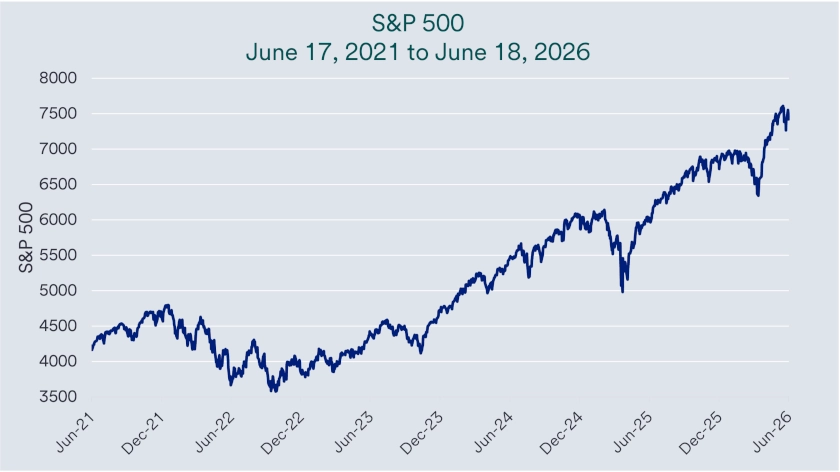
These effects are not just theory. In 2026, we see them in real data.
How Inflation Affects the Stock Market in 2026: What to Expect 15
Credit: www.usbank.com
Inflation Data And Stock Market Performance In 2026
To understand the impact, let’s look at real numbers from 2026. Below is a comparison of inflation rates and major stock index returns:
Region
Inflation Rate (2026)
Stock Index Return
USA
4.2%
6.1% (S&P 500)
Eurozone
4.7%
3.2% (Euro Stoxx 50)
UK
5.1%
2.9% (FTSE 100)
Japan
2.9%
4.0% (Nikkei 225)
Notice that stock returns are often close to inflation rates. In some cases, like the UK, inflation is higher than stock returns. This means many investors are barely keeping up with rising prices.
A less obvious insight: Some investors use sector rotation strategies, moving their money between sectors based on inflation trends. In 2026, many funds shifted from technology to energy and consumer staples after inflation reports, seeking better real returns.
Sectors That Gain Or Lose During Inflation
Not all stocks react the same way to inflation. Some sectors perform better, while others struggle.
Stronger Sectors
Energy: Oil and gas prices rise with inflation. Energy companies often see higher profits.
Materials: Companies in mining and metals benefit from higher commodity prices.
Utilities: These companies can pass higher costs to customers, so their profits stay stable.
Consumer Staples: People still need essentials, even as prices rise. Grocery and household goods stocks are often safe.
Energy and materials companies sometimes lock in long-term contracts at fixed prices, which can protect them from sudden inflation spikes. Utilities, often regulated, can adjust rates over time, making them a stable choice.
Weaker Sectors
Technology: High borrowing costs hurt tech companies, which often rely on loans for growth.
Consumer Discretionary: Luxury and non-essential items see lower demand.
Financials: Banks may earn more from higher rates, but loan defaults can rise.
Technology companies, especially smaller ones, may freeze hiring or cut projects to save money. Consumer discretionary brands, like high-end retailers, often run promotions or discounts to keep sales up, but profits suffer.
Here’s a quick sector performance comparison for 2026:
Sector
2026 Avg. Stock Return
Inflation Impact
Energy
12.5%
Positive
Technology
2.3%
Negative
Consumer Staples
6.8%
Neutral/Positive
Utilities
5.4%
Neutral
Consumer Discretionary
1.1%
Negative
A practical tip: Watch for companies that can quickly adjust prices or costs. For example, fast-moving consumer goods brands often change packaging sizes or recipes to control expenses without losing customers.
Real-world Examples From 2026
Let’s look at real companies to see the effect:
ExxonMobil reported record profits as oil prices surged. Their share price rose more than 15% by mid-2026.
Tesla saw weaker sales due to higher borrowing costs and expensive materials. The stock was flat for much of the year.
Walmart increased prices but kept sales strong, showing how consumer staples can weather inflation.
A non-obvious insight: Many investors focus only on headline inflation but ignore producer price inflation. This is the cost companies pay for materials. In 2026, producer prices rose even faster than consumer prices, putting extra stress on manufacturing and tech stocks.
Another example: European car makers faced higher costs for steel and electronics, leading to lower margins. Some responded by launching smaller models or focusing on electric vehicles, which have fewer moving parts and lower production costs.
Central Bank Actions In 2026
Central banks play a big role during inflation. The Federal Reserve, European Central Bank, and Bank of England all raised interest rates in 2026. Here’s how their actions affect stocks:
Higher interest rates: Make bonds more attractive, so some money moves from stocks to bonds.
Loan costs rise: Companies pay more for debt, cutting into profits.
Stock valuations change: Higher rates mean future earnings are discounted more, so stock prices can drop.
For example, a company planning to expand factories in 2026 may postpone the project as loan costs rise. Central banks also use signals—speeches and press releases—to guide investor behavior. Sometimes, just the hint of a rate hike can move stock prices.
A non-obvious insight: Central banks sometimes use tools beyond rates, like changing reserve requirements for banks. These less visible actions can affect liquidity and, in turn, stock prices.
Investors must watch central bank meetings and policy changes closely. Even small changes can have big effects on stock prices.
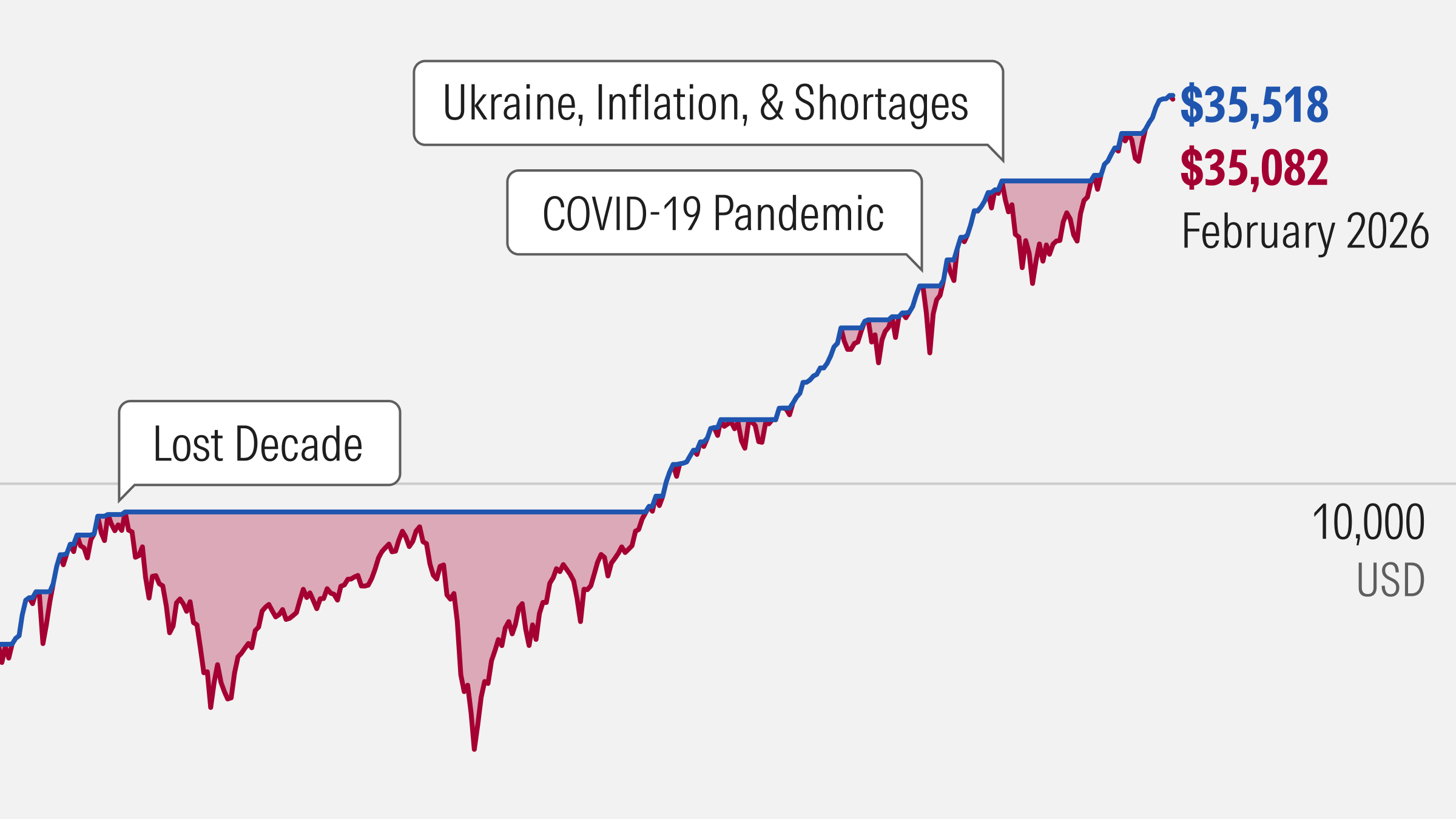
How Inflation Affects the Stock Market in 2026: What to Expect 16
Credit: www.morningstar.com
Inflation And Stock Market Volatility
Inflation creates uncertainty. Investors worry about future earnings, interest rates, and company profits. As a result, markets swing more. The VIX index (a measure of market volatility) stayed above 20 for much of 2026, compared to averages below 15 in low-inflation years.
Volatility means prices can change quickly. Some investors avoid the market during these times, while others look for short-term gains.
A practical example: In May 2026, a surprise inflation report sent tech stocks down 8% in a week. Energy stocks jumped 5%. These swings can create both risks and opportunities.
How Inflation Affects Different Types Of Stocks
Let’s break down the effect on common stock types:
Growth Stocks
These companies focus on expanding fast. They often borrow money and reinvest profits. High inflation hurts them because:
Borrowing is more expensive
Future profits are worth less
In 2026, many growth stocks underperformed, especially in tech.
A less obvious tip: Some growth companies with unique pricing power—like dominant software brands—can still raise prices and maintain margins. Look for firms with loyal customers.
Value Stocks
These are established companies with steady earnings. They sometimes do better during inflation because:
They pay dividends, which help offset inflation losses
Their business is less sensitive to borrowing costs
Value stocks like Johnson & Johnson and Procter & Gamble outperformed growth stocks in 2026.
Dividend Stocks
Stocks that pay regular dividends can help investors fight inflation. Dividends provide cash flow even if prices rise. Many investors shifted toward dividend stocks in 2026, seeking stability.
A practical tip: Watch for companies that increase dividends during inflation. This shows confidence and strong cash flow, making them attractive in uncertain times.
How Inflation Affects the Stock Market in 2026: What to Expect 17
Credit: www.mnclgroup.com
Inflation’s Impact On Investor Behavior
Inflation changes how people invest. Here’s what happened in 2026:
More investors moved money into inflation-protected assets like TIPS (Treasury Inflation-Protected Securities)
Many shifted from growth stocks to value and dividend stocks
Some reduced exposure to riskier sectors
Wealth managers advised clients to diversify portfolios
A key tip: Don’t just chase high returns. Focus on real returns, adjusting for inflation. This helps you see if your investment is actually growing.
A less obvious insight: Some investors started using alternative assets, such as infrastructure funds or commodities ETFs, to balance portfolios. These assets often perform well when inflation rises.
Comparing Stocks Vs. Other Assets During Inflation
Stocks are just one way to invest. How do they compare to other assets in 2026?
Asset
2026 Avg. Return
Inflation Resistance
Stocks
4.1%
Medium
Bonds
2.8%
Low
Real Estate
7.3%
High
Gold
9.4%
High
TIPS
4.0%
Very High
Gold and real estate often do better than stocks during inflation. But stocks can still offer solid returns, especially in the right sectors.
A practical tip: Real estate investment trusts (REITs) often raise rents during inflation, increasing payouts to shareholders. Gold ETFs are easy to buy and sell, making them popular choices in volatile years.
Common Mistakes Investors Make During Inflation
Inflation creates stress and confusion. Here are mistakes to avoid:
Ignoring inflation-adjusted returns: Always check if your returns beat inflation.
Focusing only on headline inflation: Look at producer prices and sector-specific inflation.
Not diversifying: Inflation affects sectors differently. Spread your investments.
Timing the market: Trying to predict inflation spikes is risky. Stay focused on your plan.
Overreacting to news: Markets swing with every headline. Don’t panic.
A non-obvious insight: Many investors forget about currency risk. In 2026, the dollar’s value changed as inflation rose. If you invest internationally, pay attention to exchange rates.
Another practical tip: Check for hidden fees in mutual funds and ETFs. Inflation can make small costs add up faster, reducing real returns.
Practical Strategies For Investing During Inflation In 2026
If you’re investing in 2026, here are proven strategies:
1. Diversify Your Portfolio
Spread your money across sectors and asset types. This reduces risk if inflation hits one area hard.
2. Choose Inflation-resistant Stocks
Focus on companies that can pass higher costs to customers, such as energy, utilities, and consumer staples.
A practical example: Grocery chains often adjust prices quickly, keeping profits stable.
3. Consider Dividend Stocks
Regular dividends help offset inflation losses. Look for companies with a history of increasing dividends.
4. Use Inflation-protected Securities
Invest in TIPS and other assets linked to inflation. These keep your returns above rising prices.
5. Monitor Central Bank Policies
Interest rates and monetary policy can change quickly. Stay informed and adjust your strategy as needed.
6. Avoid Over-leveraged Companies
Companies with heavy debt struggle during inflation. Check balance sheets before investing.
A practical tip: Review debt-to-equity ratios. High numbers mean more risk in inflationary years.
7. Review Your Investment Goals
Inflation can change your plans. Adjust your goals and expectations to match new realities.
A less obvious tip: Rebalance your portfolio every quarter, not just once a year. Inflation can shift asset values quickly, so regular reviews help you stay on track.
How Inflation Affects Stock Market Trends Globally
Inflation is not just a US story. In 2026, it affected markets worldwide.
Emerging Markets: Some countries, like Brazil and India, saw even higher inflation. Their stock markets swung wildly.
Developed Markets: Europe and Japan managed inflation better, but growth slowed.
Currency Movements: Inflation changed exchange rates. This affected profits for companies with global operations.
A practical example: Multinational companies often report lower profits when their home currency strengthens, even if sales are good. In 2026, many firms used hedging strategies to protect against currency swings.
A less obvious insight: Some countries use price controls or subsidies to fight inflation. These policies can affect stock prices, sometimes making local markets behave differently from global trends.
Investors need to watch global trends, not just local news. Inflation in one country can impact stocks everywhere.
Inflation Forecasts And Stock Market Outlook For 2026
Analysts predict inflation will stay high through the end of 2026. Central banks may raise rates again, but supply chain problems and energy costs remain issues.
Stock market forecasts show:
Modest growth: Most indexes expect returns between 3% and 7%
More volatility: Markets will swing as inflation news changes
Sector shifts: Energy and consumer staples stay strong, tech and discretionary weaker
A practical tip: Look for companies investing in automation or efficiency. These firms can control costs better and may outperform during inflation.
Keep in mind: Forecasts can change. Monitor economic data, company earnings, and central bank actions.
News Highlights And Key Events In 2026
Some major events shaped inflation and stocks in 2026:
Oil supply disruptions in the Middle East pushed energy prices higher
US Federal Reserve raised interest rates 0.75% in June
European Central Bank signaled more rate hikes in the fall
Supply chain shortages affected car makers and tech companies
Global food prices rose after droughts in key countries
These news items drove market trends and investor decisions. For example, a sudden oil shortage led to a spike in energy stocks but hit airlines and transport companies hard.
For more real-time data and updates, visit the Investopedia Inflation Resource.
Frequently Asked Questions
What Is Inflation And How Does It Affect My Stock Investments?
Inflation is the rise in prices over time. It reduces your money’s value. For stock investors, it means returns may not keep up with rising costs. You need to check if your investments beat inflation, not just the headline numbers.
Which Sectors Do Best During High Inflation?
Energy, materials, and consumer staples often perform well. These companies can pass costs to customers or benefit from rising commodity prices. Technology and consumer discretionary sectors usually do worse.
How Do Central Banks Respond To Inflation?
Central banks raise interest rates to slow inflation. Higher rates make loans more expensive, affecting company profits and stock prices. Investors watch central bank actions closely for market clues.
What Are Inflation-protected Assets?
TIPS (Treasury Inflation-Protected Securities), gold, and real estate are examples. These assets keep their value or grow when inflation rises. Many investors add them to portfolios during high inflation.
Should I Change My Investment Strategy During Inflation?
Yes. Review your portfolio. Focus on inflation-resistant sectors, consider dividend stocks, and add inflation-protected assets. Diversify and monitor central bank news to stay ahead.
Inflation is a powerful force in 2026. It changes how stocks move, where investors put money, and how companies plan for the future. By understanding these effects, you can make smarter decisions and protect your investments in a changing world. Stay informed, stay flexible, and remember: in every challenge, there are new opportunities.
Semiconductor Stocks 2026: Navigating the New Volatility Regime Read More