Ukraine Intensifies Maritime Campaign Against Russian Naval Assets Near Crimea

- Update Time : 01:46:36 pm, Friday, 10 July 2026
- / 10 Times Read
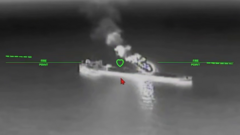
In a calculated escalation of its ongoing defense operations, Ukraine has launched a series of high-precision strikes targeting Russian naval vessels stationed near the occupied Crimean Peninsula. This latest offensive marks a significant shift in Kyiv’s military strategy, focusing heavily on disrupting the logistical arteries that sustain Russia’s occupation forces. By targeting ships integral to fuel transport and supply chain management, Ukraine aims to systematically degrade the operational capacity of the Black Sea Fleet and increase the cost of maintaining the illegal annexation of the region.
The strategic importance of these strikes cannot be overstated. Since the onset of the full-scale invasion, Crimea has served as a critical hub for the Russian military, functioning as a primary staging ground for personnel, ammunition, and fuel supplies directed toward the southern front. By systematically targeting the maritime routes that connect the peninsula to mainland Russia and the broader occupied territories, Ukrainian forces are effectively implementing a blockade-style strategy. The objective is to create a ‘logistical bottleneck’ that leaves Russian garrisons increasingly isolated and resource-deprived.
Defense analysts observe that these maritime raids represent a sophisticated evolution in Ukraine’s asymmetric warfare tactics. Utilizing a combination of domestically produced long-range uncrewed surface vessels (USVs) and Western-supplied missile systems, Kyiv has managed to project power into areas previously considered safe zones for the Russian navy. This has forced Moscow to alter its naval posture, compelling the fleet to retreat from its traditional forward operating bases to more distant ports, thereby reducing its ability to project influence over the Black Sea and conduct effective blockade operations against Ukrainian commercial shipping.
The implications of these attacks extend far beyond the immediate tactical successes. By severely hindering the flow of fuel and supplies into Crimea, Ukraine is placing immense pressure on the sustainability of the Russian military infrastructure. Fuel shortages, in particular, threaten to paralyze armored units and supply convoys, potentially forcing a broader strategic withdrawal or a degradation of defensive capabilities in the occupied southern regions. As the conflict enters a phase of attrition, these targeted strikes reflect a broader shift toward ‘strangulation’ tactics—prioritizing the destruction of the enemy’s ability to wage war over the traditional territorial gains that have characterized earlier phases of the conflict. International observers remain focused on how Moscow will respond to this persistent threat, as the vulnerability of its naval assets continues to undermine its projection of dominance in the region.
Share The News
Uploader's Information