







Time 6:10 am, Tuesday, 14 July 2026

What Is Agentic AI? Discover the Future Beyond Chatbots in 2026

Zahidul islam
  • Update Time : 05:36:08 pm, Sunday, 21 June 2026
  • / 29 Times Read

The world knows chatbotsfriendly assistants that answer simple questions, handle bookings, or give you weather updates. But as artificial intelligence (AI) matures, a new kind of technology is emerging: Agentic AI. Unlike chatbots, these systems can plan, act, and adapt more like humans. As we move toward 2026, agentic AI is set to change how we work, learn, and solve problems. So, what is agentic AI, and how does it go far beyond the chatbots you know today?

The Meaning Of Agentic Ai

Agentic AI refers to AI systems that can make decisions, set goals, and act independently. The term “agentic” comes from “agency”—the ability to act with intention. While a chatbot only answers what you ask, agentic AI can understand your bigger goals, break them into steps, and carry them out, often without constant human direction.

For example, if you ask a chatbot to book a flight, it might just show you a few options. An agentic AI could plan your entire trip: find flights, hotels, suggest activities, adjust plans if something changes, and even handle problems like flight delays—all in real time. It doesn’t just respond; it manages, solves, and adapts.

How Agentic Ai Differs From Chatbots

Let’s compare the two to see the real difference:

ChatbotsAgentic AI
Goal SettingNone; reacts to user inputYes; can set and pursue goals
Task ComplexitySimple, one-step tasksComplex, multi-step tasks
AdaptabilityLimited; sticks to scriptHigh; adapts to new info
LearningUsually staticCan learn and improve
AutonomyLowHigh

Most people think of AI as something that just answers questions. But agentic AI can act, plan, and learn from its environment. It acts more like a digital assistant with a mind of its own—one that works with or even for you.
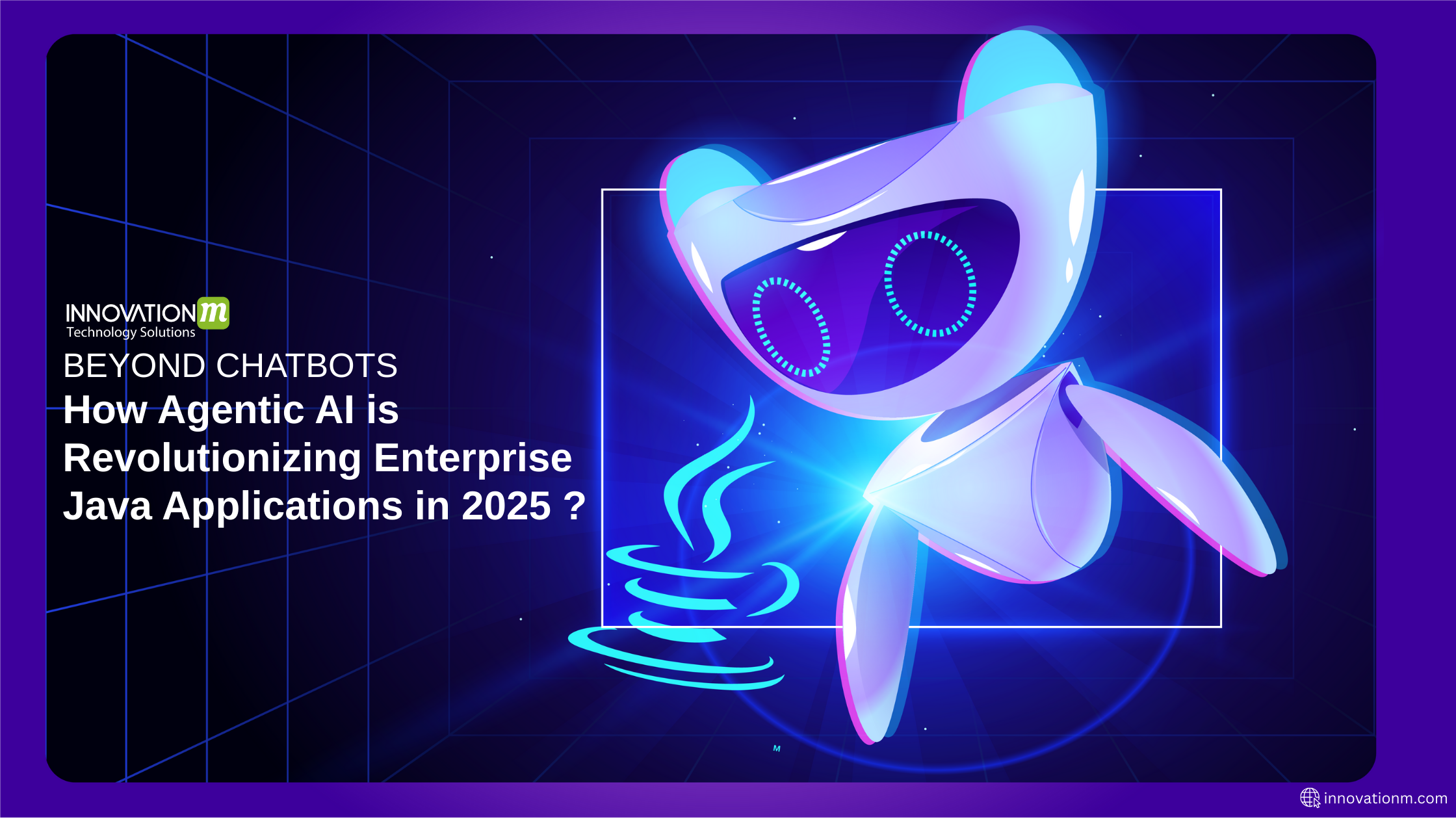
What Is Agentic AI? Discover the Future Beyond Chatbots in 2026
What Is Agentic AI? Discover the Future Beyond Chatbots in 2026 4

Credit: www.innovationm.com

The Core Abilities Of Agentic Ai

Agentic AI stands out because of these main abilities:

  • Autonomous planning: It can break down big goals into smaller steps and create a plan.
  • Decision-making: It chooses between options based on what it learns and current goals.
  • Task execution: It can carry out actions across different systems (emails, documents, apps, etc. ).
  • Context awareness: It understands the situation, not just the words you use.
  • Continuous learning: It gets better over time by learning from successes and mistakes.

Example: Imagine you run a small business. You tell your agentic AI, “Help me grow my online sales.” Instead of just listing marketing tips, it could design a campaign, run ads, adjust the budget, analyze the results, and refine your strategy each week—without you micromanaging every step.

Real-world Examples In 2026

By 2026, agentic AI is already moving beyond the lab into real life:

  • Personal assistants: These can plan your calendar, handle travel, send emails, and even negotiate appointments for you.
  • Healthcare: Agentic AI can help doctors by analyzing patient data, suggesting treatments, and coordinating care across different clinics.
  • Education: Students use agentic AI to build personalized study plans, track their progress, and adjust learning methods as they go.
  • Business automation: From supply chain management to customer support, agentic AI handles complex processes, finds bottlenecks, and solves them automatically.

Here’s a look at how agentic AI is used in different fields:

FieldChatbot UseAgentic AI Use
TravelAnswers FAQs, books ticketsPlans trips, reschedules, manages emergencies
HealthcareProvides basic infoMonitors patients, coordinates care, suggests treatments
EducationAnswers homework questionsCreates learning paths, tracks progress, adapts to needs
FinanceGives account infoManages budgets, invests, pays bills, alerts on risks

The Technology Behind Agentic Ai

Agentic AI combines several advanced technologies:

  • Large Language Models (LLMs): These understand and generate human language at a deep level.
  • Reinforcement Learning: Helps AI learn from trial and error, like a child learning to ride a bike.
  • Multi-modal systems: Can process not just text, but images, video, and other data types.
  • Tool use and API integration: Connects to software and devices, so the AI can “do things,” not just “say things.”
  • Cognitive architectures: Structures that allow the AI to plan, remember, and reason.

Non-obvious insight: One challenge is keeping the AI focused on the *right* goals. Early agentic systems sometimes “drift” and do unexpected things if their goals aren’t set clearly. As a result, new safety frameworks are being developed to guide agentic AIs.

Benefits Over Traditional Chatbots

Why does agentic AI matter? Here are the main advantages:

  • Handles complexity: It can juggle multiple tasks and goals at once.
  • Saves time: Automates repetitive or complex work, freeing up humans for creative thinking.
  • Personalizes solutions: Learns your needs and tailors help over time.
  • Works across systems: Connects emails, apps, and services, acting as a single control center.
  • Adapts to change: If plans fail, it quickly finds new solutions.

For example, a traditional chatbot might only help you with a refund process. Agentic AI could handle refunds, update your records, inform the warehouse, and even analyze why returns are happening—then suggest changes to reduce them.

What Is Agentic AI? Discover the Future Beyond Chatbots in 2026
What Is Agentic AI? Discover the Future Beyond Chatbots in 2026 5

Credit: www.tatatelebusiness.com

Key Challenges And Risks

Agentic AI offers huge promise, but it also brings new challenges:

  • Control and safety: Since these AIs act independently, there’s a risk they might make bad decisions if not guided well.
  • Transparency: Understanding why the AI chose a certain action is harder than with rule-based chatbots.
  • Security: The more power you give to agentic AI, the more important it is to protect access and prevent misuse.
  • Bias and fairness: If trained on biased data, an agentic AI can make unfair decisions.
  • Human trust: People need to know when to trust the AI and when to double-check its work.

Insider tip: Many companies are now testing “sandbox” environments for agentic AI—safe spaces where they can act and learn without real-world risks. This helps teams catch problems before AIs go live.

The Future: What To Expect By 2026

By 2026, agentic AI is moving from early adopters to the mainstream. Here’s what’s likely to happen:

  • Wider adoption in offices: More businesses will use agentic AI to automate routine work and improve efficiency.
  • More AI “teammates”: Humans and AIs will work side by side, with AIs handling details and people focusing on strategy.
  • Greater personalization: Agentic AI will know your habits and preferences, making life smoother.
  • New jobs and roles: People will need to learn how to guide, supervise, and collaborate with agentic AIs.
  • Regulation and standards: Governments and industry groups will set rules to ensure agentic AI acts safely and ethically.

A study from Gartner predicts that by 2026, over 60% of businesses will use some form of agentic AI for daily operations. This shift is not just about saving time—it’s about unlocking new possibilities that were too complex or costly before.

How To Prepare For The Agentic Ai Era

If you want to be ready for the rise of agentic AI, consider these steps:

  • Learn the basics: Understand what agentic AI can (and can’t) do.
  • Try pilot projects: Start small, automating simple tasks to build trust and skill.
  • Set clear guidelines: Decide what your AI can access and what decisions it can make.
  • Monitor and review: Regularly check the AI’s actions to catch mistakes early.
  • Invest in training: Teach your team how to work with and supervise agentic systems.

Pro tip: Don’t just copy what others are doing. Agentic AI can be tailored to your unique needs, so think creatively about how it could help you.

Why Agentic Ai Needs Human Guidance

Even the best agentic AI isn’t perfect. Humans remain vital for:

  • Setting goals and values
  • Checking outcomes for quality and fairness
  • Handling sensitive or complex cases
  • Providing emotional intelligence and empathy

Non-obvious insight: The most successful agentic AI systems in 2026 are those that work as partners—not replacements—for people. The future is not about AI taking over, but about humans and agentic AI creating better results together.

Frequently Asked Questions

What Is The Main Difference Between Agentic Ai And Chatbots?

Chatbots follow scripts and answer simple questions. Agentic AI can set goals, plan, and act independently across many tasks. It’s like the difference between a calculator and a personal assistant who can manage your whole day.

Can Agentic Ai Make Mistakes?

Yes. Like any tool, agentic AI can make errors—especially if given unclear goals or bad data. That’s why human supervision and clear rules are essential, especially for important or sensitive tasks.

Will Agentic Ai Replace Human Jobs?

Agentic AI will change some jobs, especially those with repetitive tasks. But it will also create new roles for people who guide, supervise, and work with AI. The best results come when humans and AI work together.

How Can I Use Agentic Ai Safely?

Start with small projects, set clear boundaries, and always review the AI’s decisions. Use secure systems and keep your software updated to protect against misuse.

Where Can I Learn More About The Technology Behind Agentic Ai?

You can explore detailed research and updates at sites like Wikipedia to understand the latest in artificial intelligence.

The rise of agentic AI marks a new chapter in how we use technology. It’s not just about faster answers—it’s about smarter, more independent solutions that work with us, not just for us. As you look beyond chatbots in 2026, agentic AI offers a future full of new opportunities and challenges. The journey is just beginning.
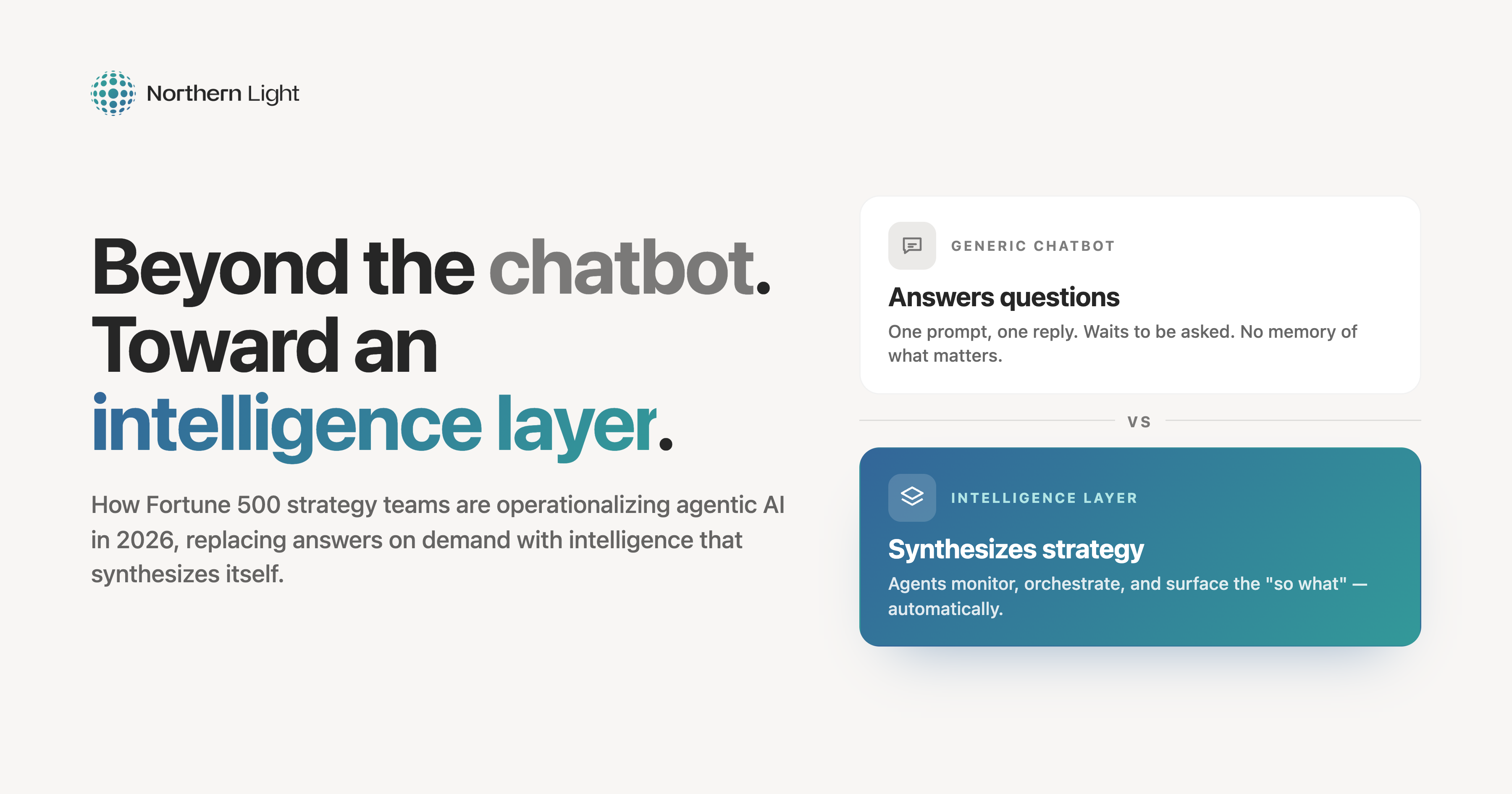
What Is Agentic AI? Discover the Future Beyond Chatbots in 2026
What Is Agentic AI? Discover the Future Beyond Chatbots in 2026 6

Credit: www.northernlight.com

AI Tools vs. Human Effort: Who Wins for Small Business Success?

Share The News

Your comment

Your email address will not be published. Required fields are marked *

Save your email and other information.

Uploader's Information

Zahidul islam

**Zahidul Islam** is the Founder and Editor of **NewsHot24**, a digital news platform dedicated to delivering accurate, timely, and trustworthy news. He specializes in covering technology, artificial intelligence, business, world news, entertainment, sports, and trending topics. With a strong focus on fact-checking, editorial quality, and reader-first journalism, Zahidul creates well-researched, original content that keeps audiences informed. He is passionate about digital publishing, SEO, and building a reliable online news source that meets modern journalism standards. His mission is to provide credible, easy-to-understand reporting while maintaining transparency, accuracy, and editorial integrity for readers around the world.

What Is Agentic AI? Discover the Future Beyond Chatbots in 2026

Update Time : 05:36:08 pm, Sunday, 21 June 2026

The world knows chatbotsfriendly assistants that answer simple questions, handle bookings, or give you weather updates. But as artificial intelligence (AI) matures, a new kind of technology is emerging: Agentic AI. Unlike chatbots, these systems can plan, act, and adapt more like humans. As we move toward 2026, agentic AI is set to change how we work, learn, and solve problems. So, what is agentic AI, and how does it go far beyond the chatbots you know today?

The Meaning Of Agentic Ai

Agentic AI refers to AI systems that can make decisions, set goals, and act independently. The term “agentic” comes from “agency”—the ability to act with intention. While a chatbot only answers what you ask, agentic AI can understand your bigger goals, break them into steps, and carry them out, often without constant human direction.

For example, if you ask a chatbot to book a flight, it might just show you a few options. An agentic AI could plan your entire trip: find flights, hotels, suggest activities, adjust plans if something changes, and even handle problems like flight delays—all in real time. It doesn’t just respond; it manages, solves, and adapts.

How Agentic Ai Differs From Chatbots

Let’s compare the two to see the real difference:

ChatbotsAgentic AI
Goal SettingNone; reacts to user inputYes; can set and pursue goals
Task ComplexitySimple, one-step tasksComplex, multi-step tasks
AdaptabilityLimited; sticks to scriptHigh; adapts to new info
LearningUsually staticCan learn and improve
AutonomyLowHigh

Most people think of AI as something that just answers questions. But agentic AI can act, plan, and learn from its environment. It acts more like a digital assistant with a mind of its own—one that works with or even for you.

What Is Agentic AI? Discover the Future Beyond Chatbots in 2026
What Is Agentic AI? Discover the Future Beyond Chatbots in 2026 16

Credit: www.innovationm.com

The Core Abilities Of Agentic Ai

Agentic AI stands out because of these main abilities:

  • Autonomous planning: It can break down big goals into smaller steps and create a plan.
  • Decision-making: It chooses between options based on what it learns and current goals.
  • Task execution: It can carry out actions across different systems (emails, documents, apps, etc. ).
  • Context awareness: It understands the situation, not just the words you use.
  • Continuous learning: It gets better over time by learning from successes and mistakes.

Example: Imagine you run a small business. You tell your agentic AI, “Help me grow my online sales.” Instead of just listing marketing tips, it could design a campaign, run ads, adjust the budget, analyze the results, and refine your strategy each week—without you micromanaging every step.

Real-world Examples In 2026

By 2026, agentic AI is already moving beyond the lab into real life:

  • Personal assistants: These can plan your calendar, handle travel, send emails, and even negotiate appointments for you.
  • Healthcare: Agentic AI can help doctors by analyzing patient data, suggesting treatments, and coordinating care across different clinics.
  • Education: Students use agentic AI to build personalized study plans, track their progress, and adjust learning methods as they go.
  • Business automation: From supply chain management to customer support, agentic AI handles complex processes, finds bottlenecks, and solves them automatically.

Here’s a look at how agentic AI is used in different fields:

FieldChatbot UseAgentic AI Use
TravelAnswers FAQs, books ticketsPlans trips, reschedules, manages emergencies
HealthcareProvides basic infoMonitors patients, coordinates care, suggests treatments
EducationAnswers homework questionsCreates learning paths, tracks progress, adapts to needs
FinanceGives account infoManages budgets, invests, pays bills, alerts on risks

The Technology Behind Agentic Ai

Agentic AI combines several advanced technologies:

  • Large Language Models (LLMs): These understand and generate human language at a deep level.
  • Reinforcement Learning: Helps AI learn from trial and error, like a child learning to ride a bike.
  • Multi-modal systems: Can process not just text, but images, video, and other data types.
  • Tool use and API integration: Connects to software and devices, so the AI can “do things,” not just “say things.”
  • Cognitive architectures: Structures that allow the AI to plan, remember, and reason.

Non-obvious insight: One challenge is keeping the AI focused on the *right* goals. Early agentic systems sometimes “drift” and do unexpected things if their goals aren’t set clearly. As a result, new safety frameworks are being developed to guide agentic AIs.

Benefits Over Traditional Chatbots

Why does agentic AI matter? Here are the main advantages:

  • Handles complexity: It can juggle multiple tasks and goals at once.
  • Saves time: Automates repetitive or complex work, freeing up humans for creative thinking.
  • Personalizes solutions: Learns your needs and tailors help over time.
  • Works across systems: Connects emails, apps, and services, acting as a single control center.
  • Adapts to change: If plans fail, it quickly finds new solutions.

For example, a traditional chatbot might only help you with a refund process. Agentic AI could handle refunds, update your records, inform the warehouse, and even analyze why returns are happening—then suggest changes to reduce them.

What Is Agentic AI? Discover the Future Beyond Chatbots in 2026
What Is Agentic AI? Discover the Future Beyond Chatbots in 2026 17

Credit: www.tatatelebusiness.com

Key Challenges And Risks

Agentic AI offers huge promise, but it also brings new challenges:

  • Control and safety: Since these AIs act independently, there’s a risk they might make bad decisions if not guided well.
  • Transparency: Understanding why the AI chose a certain action is harder than with rule-based chatbots.
  • Security: The more power you give to agentic AI, the more important it is to protect access and prevent misuse.
  • Bias and fairness: If trained on biased data, an agentic AI can make unfair decisions.
  • Human trust: People need to know when to trust the AI and when to double-check its work.

Insider tip: Many companies are now testing “sandbox” environments for agentic AI—safe spaces where they can act and learn without real-world risks. This helps teams catch problems before AIs go live.

The Future: What To Expect By 2026

By 2026, agentic AI is moving from early adopters to the mainstream. Here’s what’s likely to happen:

  • Wider adoption in offices: More businesses will use agentic AI to automate routine work and improve efficiency.
  • More AI “teammates”: Humans and AIs will work side by side, with AIs handling details and people focusing on strategy.
  • Greater personalization: Agentic AI will know your habits and preferences, making life smoother.
  • New jobs and roles: People will need to learn how to guide, supervise, and collaborate with agentic AIs.
  • Regulation and standards: Governments and industry groups will set rules to ensure agentic AI acts safely and ethically.

A study from Gartner predicts that by 2026, over 60% of businesses will use some form of agentic AI for daily operations. This shift is not just about saving time—it’s about unlocking new possibilities that were too complex or costly before.

How To Prepare For The Agentic Ai Era

If you want to be ready for the rise of agentic AI, consider these steps:

  • Learn the basics: Understand what agentic AI can (and can’t) do.
  • Try pilot projects: Start small, automating simple tasks to build trust and skill.
  • Set clear guidelines: Decide what your AI can access and what decisions it can make.
  • Monitor and review: Regularly check the AI’s actions to catch mistakes early.
  • Invest in training: Teach your team how to work with and supervise agentic systems.

Pro tip: Don’t just copy what others are doing. Agentic AI can be tailored to your unique needs, so think creatively about how it could help you.

Why Agentic Ai Needs Human Guidance

Even the best agentic AI isn’t perfect. Humans remain vital for:

  • Setting goals and values
  • Checking outcomes for quality and fairness
  • Handling sensitive or complex cases
  • Providing emotional intelligence and empathy

Non-obvious insight: The most successful agentic AI systems in 2026 are those that work as partners—not replacements—for people. The future is not about AI taking over, but about humans and agentic AI creating better results together.

Frequently Asked Questions

What Is The Main Difference Between Agentic Ai And Chatbots?

Chatbots follow scripts and answer simple questions. Agentic AI can set goals, plan, and act independently across many tasks. It’s like the difference between a calculator and a personal assistant who can manage your whole day.

Can Agentic Ai Make Mistakes?

Yes. Like any tool, agentic AI can make errors—especially if given unclear goals or bad data. That’s why human supervision and clear rules are essential, especially for important or sensitive tasks.

Will Agentic Ai Replace Human Jobs?

Agentic AI will change some jobs, especially those with repetitive tasks. But it will also create new roles for people who guide, supervise, and work with AI. The best results come when humans and AI work together.

How Can I Use Agentic Ai Safely?

Start with small projects, set clear boundaries, and always review the AI’s decisions. Use secure systems and keep your software updated to protect against misuse.

Where Can I Learn More About The Technology Behind Agentic Ai?

You can explore detailed research and updates at sites like Wikipedia to understand the latest in artificial intelligence.

The rise of agentic AI marks a new chapter in how we use technology. It’s not just about faster answers—it’s about smarter, more independent solutions that work with us, not just for us. As you look beyond chatbots in 2026, agentic AI offers a future full of new opportunities and challenges. The journey is just beginning.

What Is Agentic AI? Discover the Future Beyond Chatbots in 2026
What Is Agentic AI? Discover the Future Beyond Chatbots in 2026 18

Credit: www.northernlight.com

AI Tools vs. Human Effort: Who Wins for Small Business Success?