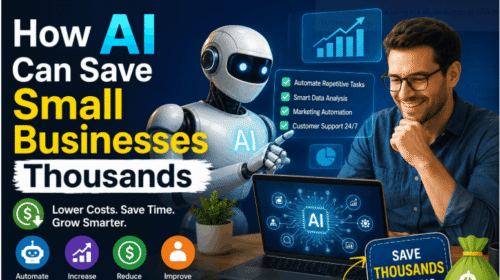
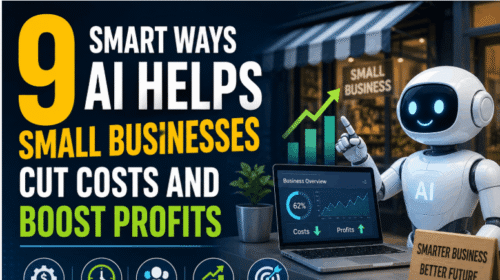
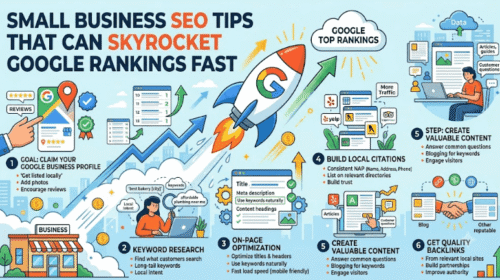
world of Future of small business is changing fast. In the last few years, new AI technologies have started to reshape how entrepreneurs work, make decisions, and grow their companies. Many people think AI is only for big tech giants. But today, even small shops, local services, and solo entrepreneurs can use AI to save time, cut costs, and compete with bigger brands.
This article will show you the most important AI trends every small business owner needs to understand. We’ll look at how AI is making marketing smarter, helping manage money, improving customer service, and even making hiring easier. You’ll see real examples, data, and practical advice. If you want your business to stay ahead, you need to know what’s coming next. Let’s explore the future together.
AI isn’t just a buzzword. It’s a powerful tool that can help small companies do more with less. In 2026, a survey by Salesforce found that 37% of small business owners already use AI tools for marketing, sales, and customer support. And those numbers are rising quickly.
Key reasons AI matters:
Competitive edge: AI levels the playing field. Small businesses can use automation, predictive analytics, and smart tools to compete with bigger brands.
Efficiency: Many tasks—like bookkeeping, scheduling, and responding to emails—can be automated, saving hours each week.
Better decisions: AI helps analyze data and predict trends, so owners can make smarter choices about products, pricing, and marketing.
Non-obvious insight: Many entrepreneurs think AI is only about chatbots or automation. But it’s also about discovering new markets, finding hidden patterns in sales, and even designing products.
The Top Ai Trends Shaping Small Business
AI is evolving quickly. Here are the main trends every entrepreneur should watch:
1. Ai-powered Marketing
Marketing used to be expensive and complex. Now, AI tools can help even small businesses create better ads, target the right customers, and track results.
Examples:
Personalized ads: Platforms like Meta and Google use AI to show ads to people most likely to buy.
Content creation: Tools like Jasper and Copy.ai help generate blog posts, product descriptions, and social media captions in seconds.
SEO optimization: AI tools analyze keywords and suggest improvements for websites to rank higher.
A 2026 report by HubSpot showed that 53% of small businesses using AI marketing tools saw an increase in leads within three months.
Practical tip: Don’t just copy big brands. Use AI to test small, targeted campaigns. Try different headlines, images, and offers—AI will show you what works best.
2. Smart Customer Service
AI is changing how businesses talk to customers. Chatbots and automated helpdesks can answer questions 24/7. But the real trend is deeper: AI can now understand emotion, solve complex problems, and offer personalized help.
What’s new:
AI chatbots: Platforms like Zendesk and Intercom let you set up bots that answer common questions, book appointments, and even handle complaints.
Sentiment analysis: AI tools read emails and chats to detect if a customer is happy, angry, or confused. Businesses can react faster and keep customers satisfied.
Data: According to Gartner, 60% of small businesses will use AI-powered customer service by 2026.
Non-obvious insight: Many owners worry bots will sound “robotic.” But modern AI can mimic natural conversation and even remember past interactions.
3. Automated Bookkeeping And Finance
Keeping track of money is a headache for many entrepreneurs. AI is making this easier with tools that handle invoices, expenses, taxes, and forecasts.
AI tools for finance:
QuickBooks AI: Categorizes transactions, predicts cash flow, and sends reminders for bills.
Xero: Uses machine learning to find errors and suggest corrections.
Automated tax filing: AI-powered platforms help prepare taxes and spot deductions.
Table: Popular AI Tools for Finance
Tool
Main Feature
Cost
QuickBooks AI
Automated bookkeeping
From $15/month
Xero
Error detection
From $13/month
FreshBooks AI
Invoice automation
From $17/month
Common mistake: Relying fully on automation without checking the results. Always review your reports and set alerts for unusual activity.
4. Ai In Hiring And Hr
Finding and keeping good employees is tough. AI can help small businesses recruit, screen resumes, and even predict who might leave.
How it works:
Resume screening: AI tools like ZipRecruiter and LinkedIn Talent Solutions scan thousands of resumes and highlight best matches.
Interview scheduling: AI bots can handle setting up interviews and reminders.
Predicting turnover: Some platforms analyze employee feedback and attendance to spot risks early.
Example: A small retailer used AI to screen 500 resumes. It saved 15 hours of work and hired two top candidates who fit perfectly.
Non-obvious insight: AI can help reduce bias in hiring, but only if you set up rules carefully. Otherwise, it might repeat old patterns.
5. Inventory And Supply Chain Management
Managing stock and suppliers is challenging, especially when prices and demand change quickly. AI helps forecast needs, track shipments, and spot problems before they happen.
Benefits:
Demand forecasting: AI predicts which products will sell best next week, month, or season.
Automated ordering: Tools can reorder supplies automatically when stock is low.
Supplier analysis: AI rates suppliers based on price, delivery speed, and quality.
Table: AI vs Manual Inventory Management
Feature
AI Management
Manual Management
Forecast Accuracy
90%+
60-70%
Time Required
Minutes
Hours
Error Rate
Low
High
Practical tip: Start small. Use AI just for forecasting first. Then add automated ordering once you trust the system.
6. Ai-based Personalization
Customers expect brands to remember their preferences. AI can track what people buy, what they like, and suggest new products or services.
How it works:
Product recommendations: AI suggests items based on past purchases.
Email personalization: Tools send tailored offers and messages.
Website customization: AI changes website content depending on who’s visiting.
Data: A study by McKinsey found that businesses using AI personalization increased sales by up to 20%.
Non-obvious insight: Personalization isn’t just for online stores. Local restaurants, salons, and service providers can use AI to remember birthdays, favorite products, and more.
7. Ai For Business Intelligence
Knowing your numbers is key. AI turns raw data into easy-to-understand reports, dashboards, and predictions.
Features:
Data analytics: AI tools analyze sales, costs, customer behavior.
Visual dashboards: See trends, problems, and opportunities at a glance.
Predictive modeling: AI predicts future sales or risks.
Example: A small coffee shop used AI to spot a drop in morning sales. By adjusting opening hours, they increased profits by 12%.
Common mistake: Ignoring small data changes. AI notices tiny shifts that humans miss—use these insights for quick wins.
8. Ai In Product Development
AI isn’t just about running a business. It can help design new products, improve quality, and spot market gaps.
How it helps:
Market analysis: AI scans social media, reviews, and trends to find what customers want.
Product design: AI suggests features based on what’s popular.
Quality control: AI checks products for defects and mistakes.
Table: AI Product Development Benefits
Process
AI Benefits
Traditional Method
Market Research
Fast, data-driven
Slow, manual
Design
Personalized, optimized
Generic, static
Quality Control
Automated, accurate
Manual, error-prone
Practical tip: Use AI to test prototypes. Feedback is faster and more honest.
9. Ai For Cybersecurity
Protecting your data is more important than ever. Small businesses are often targets for cyberattacks. AI can help spot threats, block attacks, and keep information safe.
Features:
Threat detection: AI scans for unusual activity and alerts you.
Password management: Tools create strong passwords and monitor for leaks.
Fraud prevention: AI flags suspicious payments or logins.
Data: According to IBM, AI-powered security tools can reduce breach costs by 30%.
Non-obvious insight: Cybersecurity isn’t just for banks or tech companies. Even small shops need protection, especially with more online sales.
10. Ai For Social Media Management
Social media is key for growth, but managing it takes time. AI tools can schedule posts, analyze engagement, and even respond to comments.
How it helps:
Content scheduling: AI picks the best time to post.
Trend spotting: Tools find hot topics and hashtags.
Engagement analysis: AI shows which posts get the most likes and shares.
Example: A local bakery used AI to schedule posts. Engagement rose by 18% in one month.
Practical tip: Use AI to listen for customer feedback. Respond quickly to build trust.
The Future of Small Business: Top AI Trends Entrepreneurs Must Watch 15
Credit: newsroom.paypal-corp.com
How Small Businesses Can Start Using Ai
Many entrepreneurs feel overwhelmed by AI. But you don’t need a big budget or expert team to get started.
Steps to begin:
Choose one area: Pick a part of your business where AI can help—like marketing, customer service, or bookkeeping.
Find simple tools: Look for apps or platforms made for small businesses. Most offer free trials.
Set clear goals: Decide what you want to improve—more sales, less paperwork, better customer reviews.
Test and measure: Try the AI tool for a month. Check if it saves time or improves results.
Expand slowly: Once you trust AI in one area, add more tools.
Non-obvious insight: Don’t try to automate everything at once. AI works best when you solve one problem at a time.
Challenges And Risks Of Using Ai
AI is powerful, but not perfect. Small businesses need to be careful about how they use it.
Key challenges:
Cost: Some AI tools are expensive. Always check ROI before buying.
Data privacy: AI needs data to work. Make sure you protect customer information.
Learning curve: It can take time to learn new tools. Choose platforms with good support.
Bias: AI can repeat old mistakes unless you set fair rules.
Example: A small business used an AI hiring tool but didn’t check for bias. It ended up favoring certain candidates. Always review how your AI works.
Practical tip: Ask vendors how they handle privacy and bias. Read reviews and compare options.
The Future of Small Business: Top AI Trends Entrepreneurs Must Watch 16
Credit: www.crowdspring.com
Real-life Success Stories
Let’s look at how some small businesses are using AI today.
Story 1: Marketing Boost
A local gym used AI-powered ads to target people nearby. Membership grew by 22% in three months.
Story 2: Saving Time on Bookkeeping
A small bakery switched to AI bookkeeping. The owner saved five hours per week and reduced errors by 40%.
Story 3: Better Customer Service
A clothing store added an AI chatbot to its website. Customers got answers faster, and reviews improved.
Story 4: Smarter Inventory
A family-owned electronics shop used AI to predict which products would sell during holidays. Stockouts dropped by 30%.
Story 5: Safer Data
A small design studio installed AI security tools. They caught a phishing attack early and avoided losing important files.
Non-obvious insight: AI isn’t just for “techy” businesses. Even traditional shops, service providers, and solo entrepreneurs are seeing big wins.
The Future: What’s Next For Ai In Small Business
AI is moving fast. Here’s what entrepreneurs should expect in the next five years:
More Affordable Tools
Prices are dropping. Cloud-based AI platforms are making advanced features available for $10–$50 per month. Even solo founders can use AI without breaking the bank.
Smarter Automation
AI will handle more complex tasks. This includes managing payroll, handling customer refunds, and even writing contracts.
Voice And Video Ai
Soon, AI will help businesses talk to customers by voice or video. Imagine a virtual assistant that can answer calls, book appointments, and sell products—all automatically.
Deeper Personalization
AI will remember more about each customer. Owners can send tailored offers, birthday gifts, or reminders based on past purchases.
Better Security
AI will help small businesses fight new threats—like ransomware and online scams. Tools will spot problems before they cause damage.
Ai In Local Communities
AI isn’t just for online businesses. Local shops, restaurants, and service providers will use AI to track trends, manage supplies, and connect with customers.
Practical tip: Stay open to change. The best entrepreneurs try new tools early and adapt fast.
Comparing Ai Solutions: Which Is Best For You?
Choosing the right AI tool depends on your needs. Here’s a quick comparison of popular platforms:
Tool
Best For
Ease of Use
Price
Jasper
Content creation
Very easy
From $29/month
QuickBooks AI
Bookkeeping
Easy
From $15/month
Zendesk AI
Customer service
Moderate
From $19/month
Hootsuite AI
Social media
Easy
From $49/month
Tip: Try free trials and read reviews. Choose tools that fit your skills and business goals.
Key Mistakes To Avoid With Ai
Even the best tools can fail if you don’t use them wisely.
Common mistakes:
Skipping training: Not learning how to use AI tools properly.
Ignoring data privacy: Failing to protect customer data.
Automating too much: Letting AI handle tasks that need a human touch.
Not measuring results: Forgetting to check if AI is actually helping.
Trusting AI blindly: Always review decisions, especially with hiring or finances.
Practical advice: Use AI as a helper, not a replacement. Human skills are still important.
The Future of Small Business: Top AI Trends Entrepreneurs Must Watch 17
Credit: www.guidantfinancial.com
How To Prepare For The Ai Future
AI is here to stay. Small business owners need to get ready.
Steps to prepare:
Stay informed: Follow news and updates. Join forums or groups about small business and AI.
Learn basics: Take short courses or watch tutorials online.
Network: Talk to other entrepreneurs about what works and what doesn’t.
Keep testing: Try new tools, but move slowly. Make sure each change helps your business.
Non-obvious insight: The best businesses don’t wait for perfect tools. They use what’s available, learn from mistakes, and improve over time.
Frequently Asked Questions
What Is Ai And How Does It Help Small Businesses?
AI stands for artificial intelligence. It’s technology that can “think” and make decisions—like answering questions, analyzing data, or predicting trends. For small businesses, AI saves time, cuts costs, and helps make smarter choices.
Are Ai Tools Expensive For Small Businesses?
No, many AI tools are affordable. Prices start at $10–$50 per month. Some tools offer free trials or basic versions. Always check if the tool helps your business before paying.
Is It Hard To Learn How To Use Ai In My Business?
Most modern AI tools are user-friendly. Many offer tutorials and support. Start with one simple tool, like automated bookkeeping or marketing, and learn as you go.
Can Ai Really Improve Customer Service?
Yes. AI chatbots and helpdesks can answer questions anytime, track past conversations, and even solve complex problems. This makes customers happier and saves staff time.
How Do I Protect My Business Data When Using Ai?
Choose tools with strong privacy protections. Ask vendors about their security features. Always back up your data and set alerts for unusual activity. For more details, see IBM Security.
AI is changing the world of small business. Those who learn, adapt, and use AI wisely will thrive in the future. Start small, keep learning, and watch your business grow.