Small businesses face many challenges. Every dollar matters. Owners look for ways to save money and grow profits. In the past, only big companies could use advanced technology. Today, artificial intelligence (AI) is changing that. AI is no longer just for tech giants. It is helping small businesses become smarter and more efficient.
AI can make tasks faster, reduce human errors, and help owners focus on growth. With the rise of easy-to-use tools, even a business with a few employees can use AI. Many business owners still think AI is expensive or complicated.
This is not true anymore. AI is now affordable and simple for small businesses.
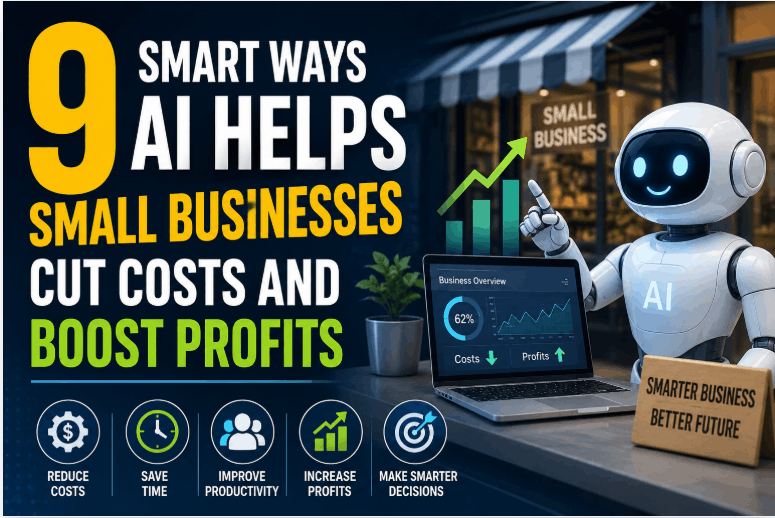
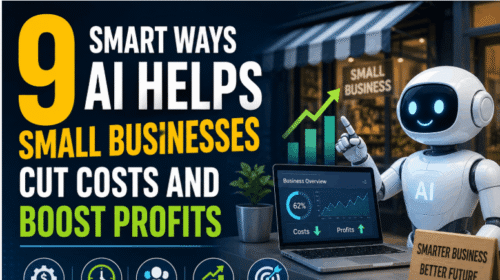
This article explores 9 smart ways AI helps small businesses cut costs and increase profits. You’ll see real examples, fresh data, and practical insights. Whether you run a shop, offer services, or manage a startup, these ideas can help you. Read on to discover how AI gives small businesses a big advantage.
Every business has routine tasks that take up time: sending emails, scheduling meetings, managing documents, and more. These tasks rarely bring profit. AI tools can handle these jobs quickly and accurately.
For example, AI-powered scheduling assistants like Calendly or Google Assistant can manage meetings, send reminders, and update calendars automatically. This saves hours every week. Email automation tools (like Mailchimp) use AI to send personalized messages and sort replies. Your team spends less time on busywork and more on important projects.
AI document management systems can scan and organize files, making paperwork easier. Instead of searching through folders, you can find what you need in seconds. Even expense tracking, a headache for many owners, can now be handled by AI tools that automatically read receipts and update spreadsheets.
Key benefits:
Reduces manual labor
Cuts human errors
Frees up employee time for higher-value work
Example: A small marketing agency used AI to automate client follow-ups. They saved nearly 10 hours per week and improved client satisfaction. Another example is a family-owned real estate business that used AI scheduling to reduce missed appointments, leading to happier clients and more closed deals.
Non-obvious insight: Many owners do not realize that automating even small tasks (like invoice reminders) can add up to big savings over time. Also, automation can help avoid costly mistakes, such as missed deadlines or double bookings.
Another overlooked benefit is that automation increases consistency. For example, reminders always go out on time, even if your team is busy or someone is sick. This creates a more professional image for your business.
Task
Manual Time (Weekly)
AI Time (Weekly)
Cost Savings
Scheduling meetings
3 hours
0.5 hours
$90
Email sorting
4 hours
0.5 hours
$120
Document management
2 hours
0.25 hours
$60
Even if you only save a few hours each week, over a year, this time adds up to weeks of productive work that can be used for growth or new projects.
2. Improving Customer Service
Good customer service builds loyalty and repeat sales. But small businesses cannot always afford a big support team. AI chatbots and virtual assistants fill this gap.
AI chatbots answer customer questions 24/7. They handle common queries, help with orders, and provide quick solutions. This means customers get instant support, even outside business hours. Some tools, like Zendesk or Intercom, use AI to route tickets and suggest answers.
Virtual assistants can handle appointment bookings, product recommendations, and troubleshooting. If a question is too complex, the bot passes it to a human agent. This way, your team only handles special cases, while AI covers the basics.
Data shows: According to Gartner, by 2026, 80% of customer service interactions will be handled by AI bots.
Benefits:
Lower staffing costs
Faster response times
Higher customer satisfaction
Example: A local bakery used an AI chatbot to answer order questions. They cut phone calls by 60% and saw more repeat customers. Another hair salon used a virtual assistant to book appointments after hours, capturing business they would have lost.
Non-obvious insight: AI bots can collect feedback during conversations. This helps owners spot problems early and improve products or services. Also, bots can learn from past conversations to improve over time.
A less obvious benefit is AI’s ability to handle multiple languages. Some AI chatbots automatically translate, letting you serve a wider audience without hiring bilingual staff. This can open new markets, especially if your business is in a tourist area.
AI tools can also track which questions come up most often, helping you update FAQs or train staff to focus on real customer needs.
9 Smart Ways AI Helps Small Businesses Cut Costs and Boost Profits 15
Credit: www.ttnews.com
3. Smarter Marketing And Sales
Marketing is vital for growth. But it can be expensive and time-consuming. AI helps small businesses reach the right people, at the right time, with the right message.
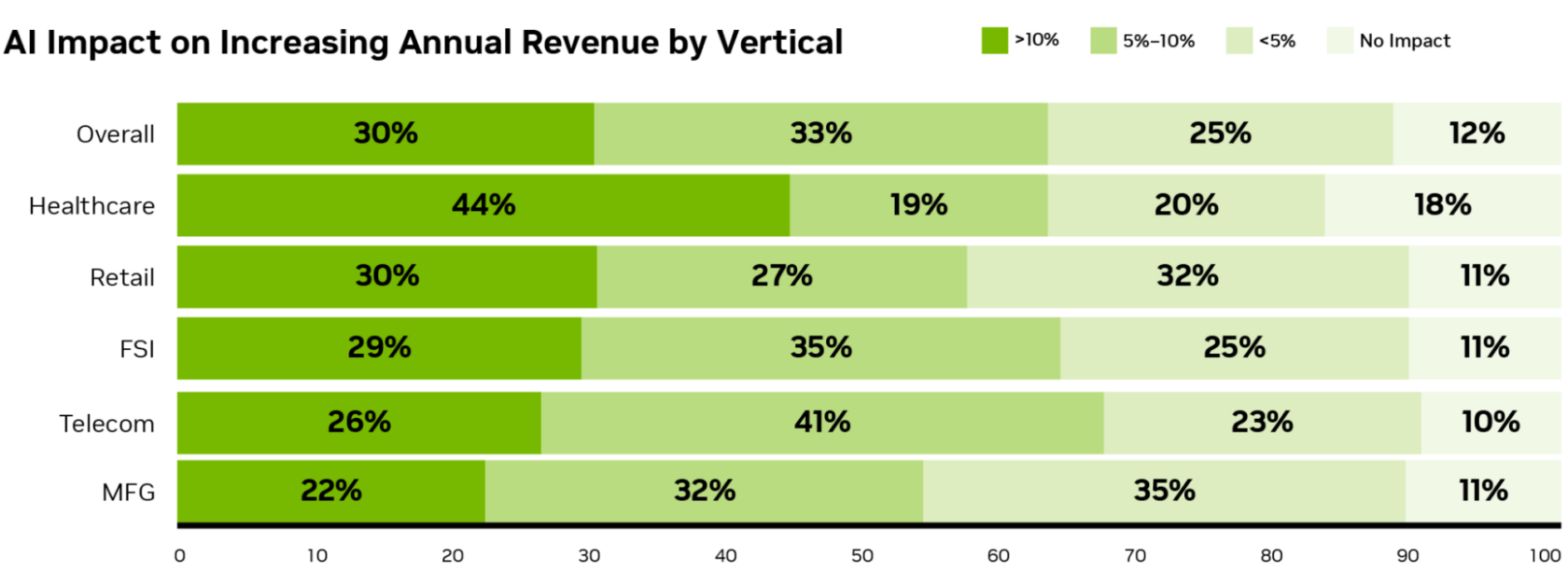
AI marketing tools analyze customer data, predict buying behavior, and personalize ads. For example, Facebook Ads and Google Ads use AI to target users who are most likely to buy. This reduces wasted ad spend.
Email marketing platforms (like HubSpot) use AI to segment audiences and send tailored messages. You get higher open rates and more conversions. Even small changes, like sending emails at the best time of day, can make a big difference.
Sales teams use AI CRM tools, such as Salesforce, to track leads and suggest the best follow-up actions. AI can forecast sales trends and recommend pricing strategies.
Statistics: Businesses using AI for marketing report a 30% increase in conversion rates, according to a 2026 survey by Statista.
Benefits:
Lower ad costs
Higher sales
Better customer targeting
Example: An online boutique used AI-powered ads. Their ad budget dropped by 25%, but sales grew by 40%. Another small gym used AI to identify which members were likely to cancel, allowing them to send targeted offers and reduce churn.
Non-obvious insight: AI marketing tools can spot hidden patterns in customer data, such as which day customers are most likely to buy. This helps you run campaigns at the best times.
Another detail many miss: AI can help you test different messages or offers with small groups (A/B testing) and quickly show what works best. This means you waste less money guessing and get faster results.
Marketing Method
Average Cost (Traditional)
Average Cost (AI-Driven)
Conversion Rate
Email campaigns
$500/month
$350/month
+20%
Social ads
$800/month
$600/month
+30%
Lead tracking
$300/month
$200/month
+25%
AI can even help with content creation, suggesting blog topics or creating draft social posts, saving hours each month.
4. Streamlining Inventory Management
Managing stock is tricky. Too much inventory ties up cash. Too little means lost sales. AI helps small businesses find the right balance.
AI inventory systems track sales, predict demand, and suggest reorder points. Tools like TradeGecko use AI to alert you when stock is low or when certain products are selling faster.
AI can also analyze seasonal trends and spot slow-moving items. This helps owners make smarter buying decisions and avoid overstock. For example, if you sell umbrellas, AI can notice weather patterns and suggest stock increases before a rainy season.
Data point: Businesses using AI inventory tools see a 35% reduction in overstock costs, according to a 2026 report by McKinsey.
Benefits:
Lower storage costs
Fewer lost sales
Better cash flow
Example: A hardware store used AI to manage inventory. They reduced excess stock by 40% and cut monthly storage fees by $500. A clothing boutique used AI to predict which sizes would sell out first, reducing unsold inventory at season’s end.
Non-obvious insight: AI can link sales and inventory data to spot unusual patterns, such as sudden demand spikes after a local event. This helps you react faster than competitors.
Another detail: AI can help with supplier management. If a supplier is often late, AI can recommend ordering earlier or finding alternatives, reducing risk.
9 Smart Ways AI Helps Small Businesses Cut Costs and Boost Profits 16
Credit: blogs.nvidia.com
5. Optimizing Pricing Strategies
Setting the right price is hard. Too high and you lose customers. Too low and you miss profits. AI tools can help small businesses adjust prices based on real-time data.
Dynamic pricing software analyzes demand, competitors, and buying patterns. It suggests price changes to maximize profits. For example, tools like Prisync can scan competitor prices and recommend adjustments.
AI can also test different prices with small groups and measure reactions. This helps owners set the best price for each product. For seasonal products, AI can recommend the best time to discount or raise prices.
Recent data: According to Deloitte, AI-driven pricing strategies can increase profit margins by up to 15%.
Benefits:
Higher profits
Faster price adjustments
Competitive advantage
Example: A small online electronics shop used AI for pricing. Their profit per item grew by 12%, and they stayed ahead of rivals. A local café used AI to adjust prices during busy hours, increasing revenue without losing customers.
Non-obvious insight: Many owners do not realize that AI can spot price sensitivity in certain customer groups. For example, loyal buyers may accept higher prices, while new buyers need discounts.
AI can also help avoid “race to the bottom” pricing. By understanding demand, you can hold prices steady when you know your product is unique or in high demand.
Strategy
Profit Margin (Before AI)
Profit Margin (After AI)
Sales Volume
Manual pricing
8%
–
100 units
AI dynamic pricing
–
15%
120 units
6. Enhancing Financial Management
Managing finances is key to business health. AI makes it easier to track money, spot risks, and plan budgets.
AI accounting tools like QuickBooks use machine learning to scan receipts, categorize expenses, and flag errors. They create reports automatically, saving owners hours. AI can even match invoices to payments, reducing time spent chasing unpaid bills.
Cash flow prediction is another area where AI shines. Tools can forecast income and costs based on past patterns. This helps owners plan for slow seasons or sudden expenses.
AI can also help with fraud detection. It spots unusual transactions and alerts owners before problems grow. For example, if a bill is paid twice or a large payment is made to a new vendor, AI flags it for review.
Stat: A 2026 Intuit report found that businesses using AI accounting tools reduced errors by 70%.
Benefits:
Fewer mistakes
Faster reporting
Better planning
Example: A small consulting firm used AI for bookkeeping. They saved $1,200 per month by catching duplicate charges and speeding up billing. A catering company used AI to spot rising ingredient costs, helping them adjust prices early.
Non-obvious insight: AI can link financial data with sales and inventory, giving a full picture of business health. Many owners overlook this, missing out on smarter decisions.
Another overlooked benefit: AI can help with tax prep by organizing records and finding possible deductions, reducing stress at tax time.
7. Reducing Hiring Costs
Hiring the right people can be expensive and slow. AI helps small businesses find candidates faster and cheaper.
AI recruitment platforms scan resumes, match skills, and schedule interviews automatically. Tools like ZipRecruiter use AI to suggest the best candidates for each role.
AI can also help with screening, using chatbots to ask basic questions before interviews. This reduces time spent on unqualified applicants. Some systems even analyze video interviews and highlight soft skills.
Data: Businesses using AI hiring tools save an average of 30% on recruitment costs, according to LinkedIn.
Benefits:
Lower hiring costs
Faster onboarding
Better talent matching
Example: A small retail chain used AI for hiring seasonal staff. They filled 90% of positions in half the usual time. A café used AI to screen hundreds of applicants, allowing the owner to interview only the best matches.
Non-obvious insight: AI can help remove bias from hiring. By focusing on skills, not background, it helps owners find better talent and build diverse teams.
Another detail: AI can help with onboarding by sending new hires training materials and tracking progress, so they become productive faster.
8. Boosting Productivity And Collaboration
Productivity is a big challenge for small teams. AI tools can help employees work smarter and together.
AI project management tools (like Asana or Trello) use smart suggestions to organize tasks, set deadlines, and track progress. Some tools predict which tasks may cause delays.
Collaboration platforms like Slack use AI to sort messages, highlight important updates, and suggest responses. This keeps teams focused. For remote teams, AI can also translate messages or summarize meetings.
AI can even track employee performance and suggest training needs. Owners see which staff need help and which are excelling. This helps with fair rewards and better team building.
Statistics: Companies using AI collaboration tools report a 25% boost in productivity, according to Harvard Business Review.
Benefits:
Faster project completion
Clearer communication
More engaged teams
Example: A web design studio used AI project management. They finished projects 20% faster and had fewer missed deadlines. A nonprofit used AI to coordinate volunteers, reducing confusion and improving attendance at events.
Non-obvious insight: AI can spot burnout by tracking work patterns. Owners can adjust workloads before problems hurt productivity.
Another overlooked benefit: AI can help with knowledge sharing. If an employee leaves, AI tools can store key information, so others can pick up where they left off.
9. Unlocking Business Insights And Forecasts
Making good decisions is hard without the right data. AI turns numbers into insights.
AI analytics tools gather data from sales, marketing, inventory, and more. They create easy-to-read reports and spot trends. For example, Google Analytics uses AI to show which products are popular, which ads work best, and where profits come from.
Forecasting tools predict sales, costs, and market changes. This helps owners plan for growth or tough times. You can test “what if” scenarios and see possible outcomes.
AI can even track competitor activity and market news, so you see risks and opportunities early.
Recent study: According to McKinsey, small businesses using AI analytics are 2x more likely to grow profits than those relying on manual reports.
Benefits:
Smarter decisions
Faster reactions to market changes
Clearer business goals
Example: A family-run café used AI analytics to track menu sales. They removed slow-selling items and grew profits by 15%. A local retailer used AI to predict busy days and scheduled more staff only when needed.
Non-obvious insight: AI insights can reveal hidden connections, like how weather affects sales or which promotions work best for certain customers.
Another detail: AI can present data in simple charts or dashboards, so owners do not need special training to understand their numbers.
Frequently Asked Questions
How Expensive Is Ai For Small Businesses?
Most AI tools are now affordable. Many offer monthly plans from $20 to $100. Costs depend on the features and number of users. Some free AI tools are available, but paid versions offer more support and options. Many providers offer trials, so you can test before you buy.
Can Ai Replace Employees?
AI can handle routine tasks, but it cannot replace human creativity, customer care, or problem-solving. The best results come when AI and employees work together. AI frees up staff for higher-value tasks. In fact, AI often creates new jobs, such as people who manage or improve AI tools.
Is Ai Safe For Business Data?
Most reputable AI platforms use strong security. Data is encrypted and protected. Owners should choose well-known tools and review privacy policies. Always use secure passwords and update software regularly. It’s also smart to limit who can access sensitive data.
How Do I Start Using Ai In My Small Business?
Begin with simple AI tools for tasks like scheduling, customer service, or marketing. Look for platforms with easy setup and good support. Test tools with a small team before expanding. Learn from feedback and adjust as needed. You don’t need to do everything at once—start with one area and grow from there.
Will Ai Keep Improving In The Future?
Yes, AI is getting smarter every year. New features and tools are launched often. Small businesses should stay updated, try new solutions, and be ready to adapt. Following trusted sources like McKinsey Digital helps owners stay ahead.
9 Smart Ways AI Helps Small Businesses Cut Costs and Boost Profits 17
Credit: www.deloitte.com
Final Thoughts
AI is not just a buzzword. It is a real, powerful tool for small businesses. From saving money on routine tasks to boosting profits through smarter marketing, AI is changing how companies operate. Owners who use AI wisely can cut costs, work faster, and make better decisions.
The nine smart ways covered here show how AI can help every small business, no matter the industry.
Success comes from starting small, learning, and growing. AI is now affordable and easy to use. With the right approach, small businesses can gain a big advantage. The future belongs to those who embrace technology and adapt quickly. AI is your ally in building a stronger, more profitable business.