How to Start a Business Without Quitting Your Full-Time Job in 2027
Starting a business doesn’t mean giving up your steady paycheck. In 2027, remote work and digital tools make it easier than ever to build a profitable side business while keeping your full-time job. This guide covers practical steps, smart strategies, common mistakes to avoid, and the latest trends to help you grow your business with confidence—without risking your primary income.
Many people believe you must quit your job to start a business. But that’s not true anymore. Keeping your job while building your business gives you:
Financial safety: You still get your regular paycheck, so you don’t worry about paying bills.
Less stress: You can take business risks without fear of losing everything.
Skill growth: You learn new skills in your business, and sometimes use them in your job.
Better planning: You can test your business idea and make changes before fully committing.
Networking: Your workplace connections can help you find customers or partners.
Recent surveys show that over 60% of new entrepreneurs in 2026 kept their jobs while launching a business. The number is expected to rise in 2027, thanks to flexible work arrangements and digital tools.
There’s another benefit that people often miss: starting a business while employed helps you build confidence gradually. You can experiment, learn from mistakes, and improve your business without risking your main source of income. This slow approach often leads to smarter decisions.
Some people also discover new opportunities through their job. For example, you might notice a common problem at work and create a solution that becomes your business. Your job can be a valuable source of market insights and customer needs.
Choosing The Right Business For Side Hustling
Not every business suits someone with a full-time job. You need a business that fits your schedule and resources. Here are some ideas and how to select the best one:
Types Of Businesses You Can Start
Online stores: Sell products using platforms like Shopify, Etsy, or Amazon. These stores allow you to automate most tasks, such as payment processing and shipping notifications.
Freelance services: Offer writing, design, coding, or consulting from home. You can set your own hours and choose projects that fit your availability.
Digital products: Create e-books, courses, or templates. Once built, these products can sell automatically.
Content creation: Start a YouTube channel, podcast, or blog. Monetize through ads, sponsorships, or memberships.
Dropshipping: Sell products without managing inventory. Orders are handled by suppliers, saving you time.
Mobile apps: Build and sell simple apps or games. Maintenance is minimal after launch.
Tutoring or coaching: Teach skills online or in person. Schedule sessions during evenings or weekends.
Event planning: Organize small events after work hours. Focus on local or virtual gatherings.
Subscription boxes: Curate and send themed boxes monthly. This model lets you plan ahead and automate recurring payments.
Print-on-demand: Design and sell custom shirts, mugs, and more. Orders are produced and shipped by partners.
You can also consider micro-businesses, like selling homemade crafts, offering virtual assistant services, or managing social media for small companies. These ideas are easy to start and require little upfront investment.
How To Choose
Time requirement: Pick something you can run in evenings or weekends. Avoid ideas that need you during regular work hours.
Low startup costs: Avoid businesses that need big investments. Look for options where you can start with less than $1,000.
Remote-friendly: Choose businesses you can run from anywhere. This flexibility is key if your work or life situation changes.
Scalable: Look for ideas that can grow without needing more hours. For example, digital products sell to many customers with no extra work.
Legal safety: Make sure your business doesn’t conflict with your job contract. Avoid anything that uses company resources or secrets.
A common mistake is picking a business that demands too much time. For example, opening a restaurant or a physical store is tough while working full-time. Instead, start with digital businesses or those you can automate.
Another insight: Think about your skills and interests. If you enjoy graphic design, a print-on-demand business could be a good fit. If you speak multiple languages, tutoring may work well. Matching your strengths to your business idea makes it easier to stay motivated.
Planning And Validating Your Business Idea
Before you invest money or time, test your idea. Many beginners skip this step and regret it later.
Research Your Market
Use tools like Google Trends, Statista, and social media to see if people want your product or service. Look for:
Demand: Are people searching for your solution? Try searching keywords related to your business and note how often they appear.
Competition: Who else is selling similar products? Study competitors’ websites, reviews, and social media to understand their strengths and weaknesses.
Gaps: What are customers missing that you can offer? Read online forums, customer complaints, and FAQs to spot unmet needs.
It’s smart to join online groups or communities related to your business idea. Ask questions and observe what people discuss. This gives you real feedback from potential customers.
Validate The Idea
Ask for feedback: Share your idea with friends, coworkers, and online groups. Listen closely to their concerns and suggestions.
Build a simple version: Create a prototype, landing page, or sample product. You don’t need a finished product—just something people can try.
Get early customers: Offer your product at a discount to test interest. Even a few sales prove that your idea works.
Analyze results: Did people buy or sign up? If not, change your idea. Look for patterns in feedback and adjust your approach.
Recent data shows that startup failure rates are 44% lower for businesses that validate ideas first. Testing saves money and time.
Practical Example
Suppose you want to sell eco-friendly phone cases. First, check if people search for “eco phone case” online. Then, order a small batch and sell to friends or on social media. If they like it, you know you’re on the right track.
If your first batch doesn’t sell well, ask buyers what they want changed. Maybe they want different colors or designs. Small changes can improve your chances before you invest more money.
Time Management: Balancing Work And Business
Balancing your job and business can be hard. But with smart time management, you can succeed.
Create A Schedule
Set fixed hours for your business. For example, work on your business from 7–9 pm daily.
Use weekends for bigger tasks like marketing or product development.
Take short breaks during your workday to answer business emails.
It helps to plan your week in advance. Write down what you’ll do each day, so you don’t waste time deciding. If you have a family or other commitments, share your schedule with them to avoid conflicts.
Essential Tools For Time Management
Tool
Purpose
Platform
Google Calendar
Schedule meetings & tasks
Web, Mobile
Trello
Task management
Web, Mobile
Notion
Project planning
Web, Mobile
RescueTime
Track productivity
Web, Desktop
These tools help you stay organized and avoid burnout.
You can also set up reminders for key tasks. For example, use Google Calendar to remind you to follow up with customers or post on social media. Trello boards help track progress and keep everything visible.
Tips For Staying Focused
Limit distractions: Turn off notifications when working on your business. Put your phone on silent or use “Do Not Disturb” mode.
Set clear goals: Write down what you want to achieve each week. Break big projects into small steps.
Delegate: Outsource tasks like design or accounting to freelancers. This frees up your time for important tasks.
Use automation: Automate emails, social media posts, or order processing.
A non-obvious insight: Don’t try to multitask between your job and business. Instead, focus on one task at a time for better results.
Another tip: Use “batching”—group similar tasks and do them together. For example, schedule all your social media posts for the week in one sitting. This saves time and energy.
How to Start a Business Without Quitting Your Full-Time Job in 2027 14
Credit: www.amazon.com
Legal And Financial Considerations
You must keep your business legal and financially safe. Many beginners ignore this, but it’s vital for long-term success.
Register Your Business
Choose a business structure: LLC, sole proprietorship, or partnership. Research which option protects you best and fits your needs.
Register with local authorities: Get a business license if needed. Rules vary by location, so check government websites.
Open a business bank account: Separate your business and personal funds. This makes accounting easier and avoids confusion.
Don’t forget to check for permits or regulations. For example, some cities require permits for home-based businesses. If you sell food or health products, special rules may apply.
Protect Yourself
Check your work contract: Some jobs forbid running certain businesses. Review your contract or ask HR if you’re unsure.
Get insurance: Protect against liability if your business involves customers or products. Business insurance can be affordable and gives peace of mind.
If your business involves physical products or meeting clients, insurance is extra important. Even small businesses can face legal risks.
Track Finances
Use software like QuickBooks or Wave to manage your business money.
Feature
QuickBooks
Wave
Expense Tracking
Yes
Yes
Invoice Generation
Yes
Yes
Tax Preparation
Advanced
Basic
Free Plan
No
Yes
Keeping your finances organized makes tax time easier and helps you see if your business is profitable.
Taxes
Keep records of all income and expenses. In the US, you must report your business income, even if it’s small. Using a separate bank account helps with this.
If you work in another country, check local tax laws. Sometimes, you’ll need to pay taxes on both job and business income. Consider consulting a tax expert if you’re unsure.
Common Mistakes
Forgetting to check your job contract for conflicts.
Mixing business and personal money.
Ignoring taxes until the end of the year.
A non-obvious insight: Even if your business is small, set up a good system from the start. It’s much harder to fix problems later.
Building Your Brand And Online Presence
In 2027, your online brand is essential. Even small businesses need a digital footprint to attract customers.
Create A Website
Use platforms like WordPress, Wix, or Squarespace. These tools offer templates, making it easy to launch a site quickly.
Make your site simple, clear, and mobile-friendly. Most customers use their phones to browse.
Show your products, services, and contact info. Add FAQs and testimonials to build trust.
A website is your digital storefront. It works for you 24/7—even when you’re at your job.
Use Social Media
Pick 1–2 platforms where your customers spend time. For example, Instagram works well for fashion, while LinkedIn is better for consulting.
Don’t try to be everywhere. Focus on platforms that matter for your audience. Use scheduling tools to post regularly without extra effort.
Branding Tips
Use a unique logo and colors. This helps customers remember you.
Write a clear tagline. Explain what makes your business special.
Share your story—why you started the business. People love authentic stories.
A non-obvious insight: You don’t need to be everywhere online. Focus on quality over quantity.
Example
If you offer online tutoring, build a website with testimonials and success stories. Post tips on Facebook to attract students.
Another tip: Use short video clips or reels to introduce yourself. Video builds trust quickly and is popular in 2027.
Marketing Strategies For Busy Entrepreneurs
Marketing can be overwhelming, but you don’t need a big budget or team. Here’s how to market your business with limited time:
Leverage Content Marketing
Write blog posts or make short videos about your product. Share useful tips, not just sales messages.
Answer common questions your customers have. This builds authority and attracts more people.
You can schedule content in advance. For example, create three blog posts on the weekend and post them during the week.
Use Paid Ads Wisely
Try small Facebook or Google ads to test demand.
Set a low daily budget to avoid overspending.
Start with $5–$10 per day. Track which ads perform best and adjust your spending.
Partner With Others
Team up with influencers or bloggers to reach more people. Choose partners with audiences similar to your target customers.
Offer affiliate programs or referral bonuses. This motivates others to promote your business.
Partnerships can multiply your reach without much effort.
Email Marketing
Collect emails from website visitors. Use pop-up forms or landing pages.
Send updates, offers, and helpful content. Keep emails short and friendly.
Email remains one of the most effective marketing tools, even in 2027.
Automation Tools
Tool
Purpose
Cost
Mailchimp
Email campaigns
Free & Paid
Buffer
Social media scheduling
Free & Paid
Zapier
Task automation
Paid
Automation lets you market while focusing on your main job.
Common Mistakes
Trying to market everywhere at once. This leads to burnout and poor results.
Ignoring customer feedback. Listen to reviews and questions to improve your business.
Not tracking which marketing activities work. Use analytics to see what brings customers.
A non-obvious insight: Test one marketing channel deeply before trying another. Mastering one platform builds faster growth.
Scaling Your Business While Keeping Your Job
As your business grows, you must decide how much time to invest. You can scale up without quitting your job.
Outsource Tasks
Hire freelancers for tasks like:
Website design
Customer support
Social media management
Look for freelancers on Upwork, Fiverr, or local networks. Outsourcing helps you focus on strategy and growth.
Use Automation
Automate order processing, emails, and scheduling. This saves time and reduces errors.
Tools like Zapier connect your apps and automate repetitive tasks. For example, new orders trigger emails automatically.
Invest In Systems
Set up systems for:
Inventory management
Payment processing
Customer communication
A simple CRM (customer relationship management) tool helps track leads and sales. Systems make your business run smoothly, even if you’re busy.
Monitor Your Progress
Check your business metrics weekly. Track sales, expenses, and customer feedback.
Adjust your strategy if growth slows. Change marketing tactics or add new products if needed.
Set up monthly reviews to analyze your numbers and set new goals.
Example
Suppose your online store gets 50 orders per week. You can outsource packing and shipping to a fulfillment service, freeing up your time.
A non-obvious insight: Scaling isn’t just about selling more. It’s about working smarter, not harder.
Another tip: Build repeatable systems early. This makes growth easier and avoids stress when your business expands.
When To Consider Leaving Your Job
You may wonder when it’s safe to leave your job for your business. Here’s how to decide:
Key Signs You’re Ready
Consistent income: Your business earns enough to cover your basic expenses for 6+ months. Track income carefully to avoid surprises.
Growth potential: You see demand rising and can scale further. Look for steady sales and positive customer reviews.
Emergency savings: You have at least 6 months of living expenses saved. This safety net protects you during slow months.
Confidence: You’re ready to take risks and handle setbacks. Running a business full-time means facing challenges.
It’s wise to talk to people who have made this transition. Ask about their experiences and lessons learned.
Checklist Before Quitting
Make sure your business is legally registered.
Have a plan for health insurance and other benefits.
Talk to your family or partner about the risks.
A non-obvious insight: Some people prefer keeping their job even after their business succeeds. There’s no rule—you can decide what’s best for you.
Don’t rush the decision. If you enjoy both your job and business, keep both for as long as you want.
Real Stories: Entrepreneurs Who Did It
Learning from real people helps you see what’s possible. Here are two examples:
Case Study 1: Tech Side Hustle
In 2026, Sarah, a software engineer, launched a mobile app for language learning. She worked evenings and weekends, used automation for customer support, and hired a freelance designer. After one year, her app earned $3,000/month. She kept her job, but later reduced hours to focus more on her business.
Sarah’s story shows the value of slow growth. She tested her idea, improved her app, and built a steady income before making big changes.
Case Study 2: E-commerce Store
Michael started selling custom mugs on Etsy while working full-time in sales. He used social media ads and outsourced shipping. In 2027, his store made $24,000 in six months. He decided to stay with his job, enjoying both incomes.
Michael’s approach was smart—he automated shipping and marketing, so his business didn’t interfere with his job. He enjoys the flexibility and extra income.
These stories show there are many paths. You can succeed without quitting your job.
How to Start a Business Without Quitting Your Full-Time Job in 2027 15
Credit: www.amazon.com
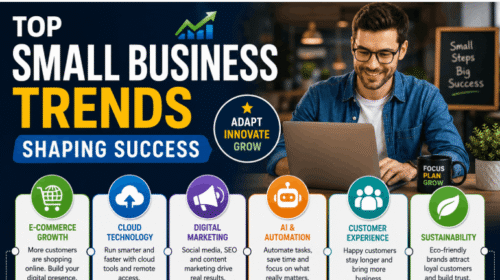
Latest Trends And Opportunities For 2027
The business world is evolving fast. Here’s what’s new in 2027:
Remote work lets you build businesses from anywhere.
AI tools help automate marketing and customer service. Chatbots, smart emails, and analytics make business easier.
Green businesses are in demand—think eco products and sustainability consulting. Customers care about the environment and support brands that do too.
Microservices: Offer small, specialized services online. For example, resume editing or logo design.
Global markets: Sell to customers worldwide using digital platforms.
More people are using platforms like Upwork, Fiverr, and Shopify to reach global customers. The barriers to entry are lower, so anyone can start small and grow.
According to Statista, over 90% of small businesses now use digital tools to reach new customers and run operations smoothly. Embracing these trends helps you stay competitive.
A non-obvious insight: Learn basic AI tools—even if you’re not tech-savvy. They can save hours each week and help you scale.
Frequently Asked Questions
Can I Start A Business Even If My Job Is Very Demanding?
Yes. Choose a business model that fits your schedule. Focus on automation and outsourcing. Limit your business tasks to evenings or weekends. Many people with busy jobs succeed by starting small and growing slowly.
If your job has changing hours, pick a business you can pause or reschedule easily. For example, digital products or dropshipping work well.
Do I Need To Tell My Employer About My Business?
Check your contract first. Some companies require you to disclose outside businesses, especially if there’s a conflict of interest. If your business doesn’t compete with your employer or use company resources, it’s often fine. But honesty avoids problems later.
If you’re unsure, ask HR or your manager. It’s better to be safe than sorry.
What If My Business Fails—will It Affect My Job?
Usually, no. If you keep your business separate and follow legal rules, failure won’t impact your job. The risk is low compared to quitting your job first. Learn from mistakes and try again with a new idea.
The experience you gain from running a business can help you at work. Employers value entrepreneurial thinking.
How Much Money Do I Need To Start?
Most side businesses today need less than $1,000 to begin. Start with low-cost tools and free platforms. Avoid borrowing or risking savings until you validate your idea. Some digital businesses can launch for almost zero cost.
Build slowly and reinvest profits. This reduces risk and helps you learn as you grow.
What Are The Best Tools For Managing Business And Job Together?
Use tools like Google Calendar for scheduling, Trello for task management, Mailchimp for email campaigns, and Zapier for automation. These save time and help you stay organized. Choose simple tools that fit your workflow.
You can also try Notion for planning or Slack for team communication if you hire freelancers.
Final Thoughts: Taking The First Step
Starting a business while keeping your full-time job is now easier than ever. You don’t need to risk your financial stability or rush to quit. By choosing the right business model, testing your idea, managing your time well, and leveraging digital tools, you can build a successful company at your own pace.
Stay flexible, learn from feedback, and embrace new trends in 2027. Remember, the most important step is simply to start. Take small actions every day—and watch your business grow without giving up your main income.